
Mastering a Casca Perfeita Napolitana: Uma Revolução de Sabores
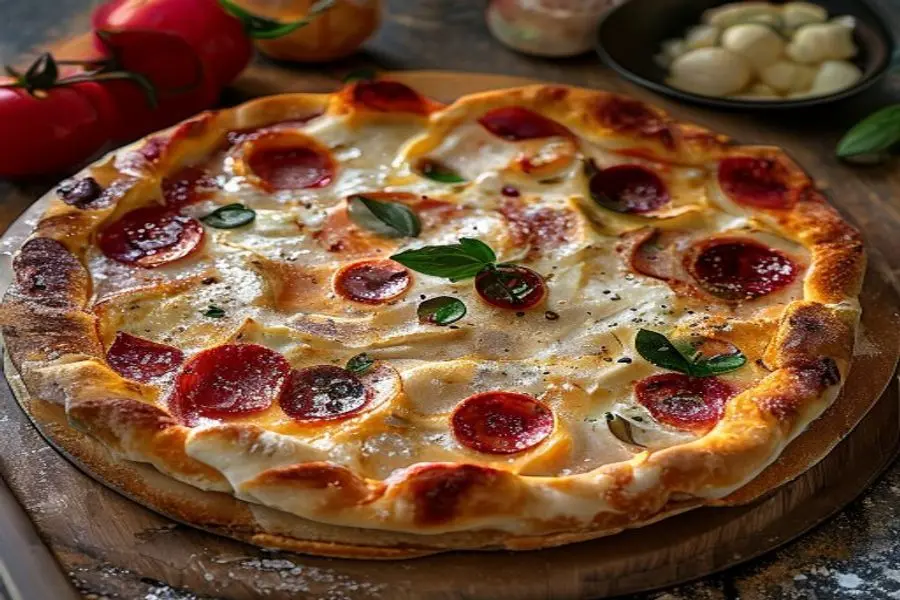
São Paulo, a city renowned for its vibrant culinary scene, is currently experiencing a delicious invasion: the rise of Neapolitan and Neo-Neapolitan pizzas. Forget everything you thought you knew about pizza; this style is a profound experience, rooted in centuries of tradition and bursting with unparalleled flavor. It’s a global phenomenon, now making its irresistible mark on Brazilian gastronomy.
This artisanal pizza isn't just food; it's a testament to simple, high-quality ingredients transformed by precise technique. Ideal for ambitious home chefs who appreciate culinary heritage, mastering this recipe brings the authentic taste of Naples directly to your kitchen. Prepare this masterpiece for special gatherings or simply to elevate a cozy weeknight dinner into an unforgettable feast.
Embark on a culinary journey to recreate the airy, charred crust and exquisite flavor profile that define true Neapolitan pizza. This guide will equip you with all the knowledge, from ingredient selection to expert baking techniques, to impress guests and satisfy your deepest cravings. You're about to discover why this pizza continues to captivate food lovers worldwide.
Why This Pizza Is So Popular?
The Neapolitan pizza's immense popularity stems from its unwavering commitment to tradition and superior quality. Its characteristic soft, airy, and slightly charred crust, known as the *cornicione*, offers a unique texture unmatched by other styles. High-quality, few ingredients ensure every bite is a celebration of pure, unadulterated flavor, highlighting simplicity at its best.
O segredo desta receita é a filosofia de "menos é mais," allowing premium ingredients to truly shine. San Marzano tomatoes deliver a sweet, acidic balance, while fresh mozzarella provides creamy richness. The rapid, high-heat cooking seals in moisture and creates that iconic leopard-spotted crust, making each pizza a delectable work of art.
Ingredients Explained
Crafting authentic Neapolitan pizza starts with selecting the right ingredients, each playing a critical role. Quality dictates the final taste and texture of your pizza, so choose wisely. Here’s what you'll need and why:
- Tipo 00 Flour: This finely milled Italian flour has a lower protein content than bread flour, resulting in a softer, more elastic dough and the signature airy crust. It's essential for achieving the correct texture.
- Fresh Yeast: Active dry or instant yeast will work, but fresh yeast provides a more nuanced flavor profile. It's the engine behind the dough's rise, creating those beautiful internal air pockets.
- Filtered Water: Water purity impacts yeast activity and dough hydration. Using filtered water ensures no unwanted chemicals affect the fermentation process, leading to a better final product.
- Fine Sea Salt: Crucial for flavor and controlling yeast activity. Avoid iodized table salt, which can interfere with yeast and leave a metallic aftertaste. Salt strengthens the gluten network, too.
- San Marzano Tomatoes: These certified tomatoes, grown in the volcanic soil near Mount Vesuvius, possess a sweet, less acidic flavor ideal for pizza sauce. They are the gold standard for authentic taste.
- Fresh Mozzarella (Fior di Latte or Buffalo Mozzarella): Low-moisture fresh mozzarella melts beautifully without making the crust soggy. Its delicate, creamy texture complements the robust tomato sauce perfectly.
- Fresh Basil Leaves: Added post-bake, fresh basil provides a burst of aromatic freshness. Its vibrant flavor and color are iconic to Neapolitan pizza, adding a crucial herbaceous note.
- Extra Virgin Olive Oil: A drizzle of high-quality olive oil finishes the pizza, adding richness and a subtle fruity aroma. Use it sparingly to enhance, not overpower, other flavors.
Complete Step-by-Step Guide
Follow these meticulous steps to create a Neapolitan pizza that rivals the best pizzerias. Precision in each stage ensures a perfect crust and balanced flavors. This process, though detailed, is incredibly rewarding.
- Prepare the Dough: In a large bowl, dissolve 1g fresh yeast in 300ml filtered water. Gradually add 500g Tipo 00 flour and 10g fine sea salt, mixing until a shaggy dough forms. Turn onto a lightly floured surface.
- Knead the Dough: Knead for 10-15 minutes until smooth, elastic, and no longer sticky. The dough should spring back when lightly pressed. This develops the gluten structure, crucial for the airy crust.
- First Rise (Bulk Fermentation): Place the dough in a lightly oiled bowl, cover with plastic wrap, and let it rise at room temperature (20-22°C) for 8-12 hours, or until doubled in size. A long, slow fermentation develops complex flavors.
- Divide and Shape Dough Balls: Gently punch down the risen dough. Divide it into 3-4 equal portions (about 250g each). Shape each portion into a tight ball, placing them on a floured tray.
- Second Rise (Proofing): Cover the dough balls loosely with plastic wrap or a damp cloth. Let them proof at room temperature for another 2-4 hours, or until visibly puffy and airy. This final rise adds lightness.
- Preheat Oven and Pizza Stone: At least 1 hour before baking, place a pizza stone or steel on the top rack of your oven. Preheat the oven to its highest setting (250-300°C / 500-575°F). Extreme heat is vital.
- Prepare Sauce: Crush whole San Marzano tomatoes by hand or pulse briefly in a blender; season simply with a pinch of salt. Avoid cooking the sauce beforehand, maintaining fresh flavor.
- Stretch the Dough: Gently transfer a dough ball to a lightly floured surface. Using your fingertips, press from the center outwards, leaving a raised rim (cornicione). Stretch the dough carefully, avoiding a rolling pin.
- Top the Pizza: Transfer the stretched dough to a floured pizza peel. Spoon 2-3 tablespoons of tomato sauce onto the center, spreading evenly. Distribute fresh mozzarella and a few basil leaves.
- Bake the Pizza: Carefully slide the pizza onto the preheated stone. Bake for 90 seconds to 4 minutes, or until the crust is puffed, golden, and leopard-spotted, and the cheese is bubbly.
- Finish and Serve: Remove from oven. Drizzle with a little extra virgin olive oil and garnish with fresh basil leaves. Serve immediately to enjoy the optimal texture and flavor.
Chef's Tips for Perfection
Achieving pizzeria-quality Neapolitan pizza at home requires attention to detail and a few expert tricks. These tips will elevate your baking and ensure consistently outstanding results. Master these nuances for truly authentic flavor.
dica culinária de especialista: Hydration is key. A slightly wetter dough (around 60-65% hydration) allows for easier stretching and a more open, airy crumb structure. Don't be afraid if it feels a little sticky; gentle handling is paramount for preserving air bubbles.
The dica mais importante é preheating your oven and pizza stone to maximum temperature for at least an hour. This intense heat is critical for quickly cooking the pizza, creating the desired crisp exterior and soft interior. Without sufficient heat, the crust will be dense and pale.
A técnica profissional é to use a light touch when stretching the dough. Avoid tearing or overworking it. Instead of a rolling pin, use your fingertips to gently push air from the center to the edges, forming that iconic airy crust. Preserve the bubbles created during fermentation.
Common Mistakes to Avoid
Even seasoned home bakers can fall prey to common pitfalls when making Neapolitan pizza. Understanding these errors will help you achieve a flawless result, ensuring your efforts lead to a delicious and authentic experience every time.
- Overworking the Dough: This can lead to a tough, dense crust instead of the desired light, airy texture. Gentle handling after the initial knead is crucial to maintain delicate air pockets.
- Using the Wrong Flour: All-purpose flour won't give you the same elasticity and chew as Tipo 00 flour. This specialized flour is vital for the signature Neapolitan crust.
- Too Many Toppings: Overloading the pizza will weigh down the dough, make it soggy, and prevent proper cooking. Neapolitan pizza thrives on simplicity; a few quality ingredients are best.
- Insufficient Oven Temperature: Baking at too low a temperature will result in a dry, hard crust rather than the quick-charred, soft interior. Your oven must be as hot as possible.
- Not Enough Proofing Time: Rushing the fermentation process compromises flavor development and crust texture. Allow adequate time for both bulk fermentation and final proofing for best results.
Recipe Variations
While classic Neapolitan pizza adheres to strict standards, home cooks can explore slight variations to suit personal preferences or dietary needs. These adaptations maintain the spirit of the original while offering new culinary dimensions.
- Version Gourmet: Elevate a classic Margherita by adding gourmet ingredients. Consider buffalo mozzarella from Campania, a sprinkle of Parmigiano Reggiano after baking, or a few drops of high-quality truffle oil.
- Version Marinara: The original vegan Neapolitan pizza, featuring San Marzano tomato sauce, garlic, oregano, and a drizzle of extra virgin olive oil. It's robust, flavorful, and incredibly simple, showcasing the pure taste of the sauce.
- Version com Calabresa (São Paulo Twist): While not strictly Neapolitan, a "Neo-Neapolitan" version might embrace a local favorite. Add thinly sliced, high-quality Calabrese sausage before baking, adding a spicy, savory kick to the classic base.
- Version com Prosciutto e Rúcula: After baking, top your pizza with thinly sliced prosciutto crudo and a handful of fresh arugula. The saltiness of the prosciutto and the peppery arugula contrast beautifully with the warm cheese and crust.
How to Serve and Store
Proper serving and storage ensure your Neapolitan pizza experience is always delightful. These simple guidelines will help you enjoy every slice and preserve any leftovers effectively, maintaining quality and taste.
Serve Neapolitan pizza immediately after it comes out of the oven. The delicate crust and fresh toppings are best enjoyed when hot, ensuring the cheese is perfectly melted and the crust retains its unique texture. Cut into quarters with kitchen shears for an authentic touch.
If you have leftover pizza, store slices in an airtight container in the refrigerator for up to 2 days. Reheat in a very hot oven (around 200°C / 400°F) on a baking sheet for 5-7 minutes until warmed through and the crust crisps up again. Avoid microwave reheating for best texture.
Unbaked dough balls can be refrigerated in individual lightly oiled containers for up to 24-48 hours. Bring them to room temperature for at least an hour before stretching and baking. For longer storage, freeze dough balls individually for up to 2 months; thaw in the refrigerator overnight before use.
SEO Block for Google
This Neapolitan pizza recipe offers a delicious journey for home cooks. With a preparation time of 20 minutes (plus 10-14 hours fermentation) and a cooking time of just 2-4 minutes per pizza, you can achieve authentic results. This recipe yields 3-4 pizzas (250g each), perfect for sharing. Considered a medium difficulty level, it’s accessible with practice. Each slice (approx. 1/8 of a pizza) contains approximately 250-350 calories, depending on toppings, making it a satisfying meal.
Produtos Relacionados
Encontramos os melhores produtos e recomendações para você relacionados a Mastering a Casca Perfeita Napolitana: Uma Revolução de Sabores.