
Pad Thai Perfeito: Texturas e Sabores da Tailândia em Sua Cozinha
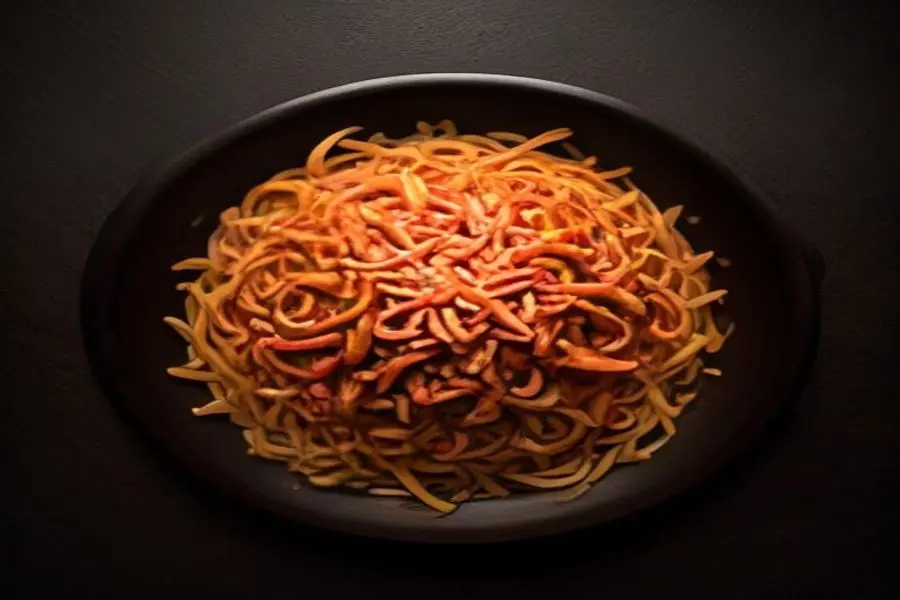
Perfect Pad Thai: Thailand's Textures and Flavors in Your Kitchen
Embark on an extraordinary culinary journey right from your own kitchen, recreating the iconic flavors of Thailand with this perfect Pad Thai recipe. This dish is a global sensation, renowned for its incredible balance of sweet, sour, salty, and umami tastes that captivate every palate. It transcends mere sustenance, offering a delicious passport to Southeast Asian street food culture.
Inspired by the diverse gastronomic landscape highlighted in guides like "O Melhor de São Paulo Gastronomia 2026," exploring international cuisines is now more accessible than ever. While São Paulo offers countless exquisite options, mastering a global favorite at home provides immense satisfaction. This recipe empowers you to bring restaurant-quality Thai food directly to your dining table.
This ultimate Pad Thai recipe is ideal for anyone eager to expand their culinary repertoire, from adventurous foodies to busy home cooks seeking authentic weeknight meals. It’s perfect for impressing guests, a vibrant family dinner, or simply indulging in a deeply satisfying solo treat. Prepare for an unforgettable flavor adventure.
Why This Recipe Is So Popular?
Pad Thai’s universal appeal lies in its masterful symphony of flavors and textures, making it an irresistible choice for countless food lovers. This noodle dish offers a complex yet harmonious profile, combining the tang of tamarind, the sweetness of palm sugar, the savory depth of fish sauce, and a subtle chili kick. It is truly a balanced culinary experience.
Beyond its incredible taste, Pad Thai delivers a delightful textural contrast that contributes significantly to its popularity worldwide. Chewy rice noodles mingle with crunchy peanuts, crisp bean sprouts, and tender proteins, creating a dynamic mouthfeel with every forkful. This textural interplay ensures each bite remains exciting and engaging for diners.
Furthermore, Pad Thai is remarkably versatile and surprisingly quick to prepare, especially when all ingredients are prepped beforehand. Its adaptability allows for various protein choices, catering to different dietary preferences and making it a practical option for diverse meal plans. This convenience adds to its widespread charm and frequent culinary choice.
The dish also evokes a sense of exotic travel and adventure, tapping into the desire for global culinary exploration without leaving home. Embodying the spirit of vibrant Thai street food, it allows enthusiasts to experience diverse cultures through taste. This connection to distant lands fuels its enduring popularity among adventurous eaters.
Ingredients Explained
Crafting authentic Pad Thai requires specific ingredients, each playing a crucial role in developing its signature flavor profile. Understanding their function is key to achieving that perfect balance. This comprehensive list ensures you have everything needed to create a truly memorable and delicious dish.
- Dried Flat Rice Noodles (Pad Thai Noodles): These are the backbone of the dish, absorbing the sauce beautifully and providing that essential chewy texture. Opt for good quality noodles, as they hold up better during cooking and contribute significantly to the overall mouthfeel and authenticity.
- Shrimp or Chicken (or Tofu): Your primary protein source, offering substance and flavor. Shrimp cooks quickly and adds a delicate sweetness, while chicken provides a heartier bite. Tofu is an excellent plant-based alternative, absorbing flavors wonderfully.
- Eggs: Scrambled and mixed in, eggs add richness, texture, and a slight binding element to the noodles. They are an integral component, contributing to the visual appeal and nutritional value of the final dish, ensuring a well-rounded meal.
- Tamarind Paste: This is the soul of Pad Thai sauce, providing its distinctive sour tang. Choose a good quality unsweetened paste or block, ensuring a true authentic flavor. Avoid tamarind concentrate with added sugar for best results and balanced acidity.
- Palm Sugar: Essential for balancing the tamarind's sourness and the fish sauce's saltiness, palm sugar lends a rich, caramel-like sweetness. It melts easily and provides a depth of flavor that granulated sugar cannot replicate, achieving authentic taste.
- Fish Sauce: A cornerstone of Thai cuisine, fish sauce delivers powerful umami and salinity. It’s vital for seasoning and depth, but be mindful of its strength. High-quality fish sauce enhances the dish significantly, providing that unmistakable savory foundation.
- Shallots and Garlic: Aromatic foundations that build the initial flavor layers. Finely minced, they are sautéed to release their sweet and pungent notes, forming the fragrant base upon which the rest of the Pad Thai is built, ensuring complexity.
- Chili Flakes (or Sriracha): For heat and a gentle kick, adjustable to your preference. Fresh chilies can also be used for a brighter spice. Control the amount carefully to suit your heat tolerance, maintaining the dish's enjoyable balance.
- Bean Sprouts: Added at the very end, bean sprouts provide essential crunch and freshness, contrasting beautifully with the soft noodles. They are a signature garnish, bringing a vital textural element and vibrant crispness to the finished Pad Thai.
- Chives or Green Onions: For freshness and a mild oniony bite. These are often stirred in at the last minute and used as a garnish. They add a bright, herbaceous note, enhancing the dish’s visual appeal and contributing a delicate aromatic freshness.
- Roasted Peanuts: Crushed and sprinkled over the top, peanuts offer crucial crunch and a nutty flavor that complements the sauce perfectly. They are an indispensable garnish, providing textural contrast and a rich, earthy depth that rounds out the dish.
- Lime Wedges: Served on the side, fresh lime juice adds a final burst of bright acidity just before eating, cutting through the richness and elevating all other flavors. A squeeze of lime is absolutely essential for the complete Pad Thai experience.
- Vegetable Oil: For stir-frying. A neutral oil is best to allow the other flavors to shine through without interference. Sufficient oil ensures even cooking and prevents ingredients from sticking, contributing to the dish's overall texture and success.
Step-by-Step Complete
Achieving the perfect Pad Thai relies on careful preparation and precise execution. Follow these detailed steps to ensure every component contributes to a dish that is bursting with authentic Thai flavors. Mise en place, having all ingredients prepped, is paramount here.
- Prepare the Noodles: Submerge dried rice noodles in hot (not boiling) water for 20-30 minutes, or until pliable but still firm to the bite (al dente). They should bend without breaking. Drain immediately and rinse with cold water to prevent sticking, then set aside.
- Make the Pad Thai Sauce: In a small bowl, combine tamarind paste, palm sugar, fish sauce, and chili flakes. Whisk until the palm sugar completely dissolves, creating a smooth, balanced sauce. Taste and adjust for sweet, sour, and salty equilibrium.
- Sauté Aromatics and Protein: Heat vegetable oil in a large wok or skillet over high heat until shimmering. Add minced shallots and garlic, stir-frying for 30 seconds until fragrant. Add shrimp (or chicken/tofu) and stir-fry until almost cooked through, then push to one side of the pan.
- Scramble the Egg: Crack the egg into the cleared space in the wok. Quickly scramble until just set but still slightly moist. Break it into smaller pieces and mix with the protein and aromatics, ensuring even distribution throughout.
- Add Noodles and Sauce: Add the prepared noodles to the wok. Pour the Pad Thai sauce evenly over the noodles and toss vigorously for 1-2 minutes using tongs, ensuring every strand is coated. Continue cooking until noodles are tender and sauce thickens slightly.
- Incorporate Vegetables and Garnish: Stir in half of the bean sprouts and half of the chopped chives/green onions. Toss quickly for about 30 seconds, allowing them to warm through but retain their crispness. Overcooking will make them soggy and detract from texture.
- Serve Immediately: Transfer the Pad Thai to serving plates. Garnish generously with the remaining fresh bean sprouts, chopped chives/green onions, crushed roasted peanuts, and lime wedges on the side. A final squeeze of lime before eating is essential for brightness.
Chef's Tips
Elevating your homemade Pad Thai from good to extraordinary involves a few professional insights and techniques. These culinary secrets, honed over years in professional kitchens, ensure maximum flavor, perfect texture, and an authentic dining experience. Pay close attention to these nuances for optimal results.
dica culinária de especialista: The professional technique is to use a very hot wok and cook in batches if necessary. Overcrowding cools the pan, leading to steaming instead of stir-frying, which results in soggy ingredients. High heat creates that essential wok hei, a smoky flavor.
The secret to this recipe is proper noodle preparation. Avoid soaking them in boiling water, as this can lead to mushy noodles. Lukewarm to hot water allows them to rehydrate gently, becoming pliable yet firm. They will finish cooking in the wok, achieving the perfect al dente bite.
The most important tip is to have all your ingredients prepped and ready before you start cooking (mise en place). Pad Thai cooks extremely fast over high heat, so there's no time to chop or measure once the stir-frying begins. This ensures a smooth, stress-free cooking process.
Always taste your Pad Thai sauce before adding it to the noodles and adjust as needed. The balance of sweet, sour, and salty is paramount, and individual ingredients can vary in intensity. A perfectly balanced sauce forms the foundation of an exceptional dish, reflecting nuanced flavors.
Don't be shy with the heat. A high flame is crucial for stir-frying, ensuring ingredients caramelize and develop complex flavors quickly. If your stovetop isn't powerful enough, consider cooking in smaller portions to maintain high heat and prevent moisture buildup, resulting in superior texture.
Common Mistakes
Even seasoned cooks can stumble when preparing Pad Thai, but recognizing common pitfalls helps ensure a successful dish every time. Avoiding these frequent errors will significantly improve your results, leading to a more authentic and enjoyable culinary outcome. Learn from these shared experiences.
- The most common error is using overcooked noodles. When noodles are too soft before they hit the wok, they turn mushy and break apart during stir-frying. They should be pliable but still have a firm resistance when rehydrated, ready to finish cooking with the sauce.
- Not having enough sauce, or an unbalanced one, is another frequent mistake. The sauce is the heart of Pad Thai. If it lacks the proper sweet, sour, and salty balance, the entire dish will fall flat. Always taste and adjust your sauce before combining it with the noodles.
- Overcrowding the pan can ruin the dish's texture. When too many ingredients are crammed into the wok, the temperature drops, causing items to steam instead of stir-fry. This leads to soggy vegetables and proteins, losing that desired crisp-tender bite and wok hei.
- Forgetting to prepare all ingredients beforehand (lack of mise en place) leads to chaos. Pad Thai cooks very quickly over high heat, demanding swift action. If you’re still chopping garlic while the shrimp is cooking, you risk burning ingredients or overcooking others.
- Using the wrong type of noodles or pre-packaged sauce. While convenient, pre-made sauces often lack the fresh, nuanced flavors of homemade. Using thin vermicelli instead of flat rice noodles also changes the texture significantly. Stick to authentic ingredients for best results.
Variations of the Recipe
The beauty of Pad Thai lies in its adaptability, allowing for numerous delicious variations that cater to different tastes, dietary needs, and budgets. Experimenting with these options can unlock new culinary experiences while staying true to the spirit of the original dish. Personalize your Pad Thai adventure.
- Healthy Version: Reduce oil significantly and load up on extra vegetables like shredded carrots, bell peppers, or bok choy. Opt for lean protein such as chicken breast or firm tofu, and consider using a lower-sodium fish sauce. This enhances nutrient density.
- Economic Version: Replace shrimp with more affordable chicken thighs or extra firm tofu, which can be pan-fried until crispy. Focus on basic pantry staples for the sauce and utilize common vegetables like cabbage or carrots to keep costs down.
- Vegan Version: Omit the shrimp and eggs entirely. Replace fish sauce with a high-quality vegan fish sauce, light soy sauce, or a mushroom-based seasoning sauce for umami. Tofu or tempeh make excellent protein substitutes, absorbing flavors beautifully.
- Gourmet Version: Elevate the dish with high-quality large prawns or even crab meat. Consider making your own chili oil for an extra layer of nuanced heat. Garnish with edible flowers or finely chopped fresh herbs like cilantro for sophisticated presentation.
- Spicy Version: Amp up the heat by incorporating more fresh bird's eye chilies or a spoonful of authentic Thai chili paste (nam prik pao) into the sauce. Serve with extra chili flakes or Sriracha on the side for those who prefer an even more intense kick.
How to Serve and Conserve
The presentation of Pad Thai is almost as important as its preparation, adding to the authentic dining experience. Knowing how to serve and properly store your leftovers ensures maximum enjoyment and minimizes waste, keeping your culinary efforts delicious for longer. Follow these practical tips.
Serve Pad Thai immediately after cooking to enjoy its optimal texture and temperature. Arrange it attractively on plates, ensuring a generous scattering of fresh garnishes. Always provide extra lime wedges, crushed roasted peanuts, and chili flakes on the side, allowing each diner to customize their dish to their personal preference for acidity, crunch, and heat.
To conserve leftover Pad Thai, transfer it to an airtight container once it has cooled to room temperature. Store it in the refrigerator for up to 2-3 days. While the noodles might lose some of their initial crispness, the flavors often meld and deepen slightly, still offering a satisfying meal.
When reheating, gently warm the Pad Thai in a wok or skillet over medium heat, adding a splash of water or a little more Pad Thai sauce if it seems dry. Avoid microwaving if possible, as it can make the noodles rubbery. Stir-frying briefly helps restore some texture and heat throughout the dish.
SEO Block for Google
This authentic Pad Thai recipe brings the vibrant flavors of Thailand directly into your home kitchen, offering a delightful culinary escape. With a prep time of 20 minutes and a cook time of just 15 minutes, you can enjoy this global favorite quickly. This recipe yields 4 generous servings and is considered to have a medium level of difficulty, suitable for home cooks ready to tackle an exciting stir-fry. Each serving contains approximately 550-650 calories, depending on protein and oil usage. Discovering international cuisine from your kitchen has never been easier or more delicious, making it a top choice for those searching for "Thai food recipes," "homemade Pad Thai," or "easy noodle dishes."
Produtos Relacionados
Encontramos os melhores produtos e recomendações para você relacionados a Pad Thai Perfeito: Texturas e Sabores da Tailândia em Sua Cozinha.