
Hábitos de Geladeira Inteligentes: Sua Arma Contra Desperdício
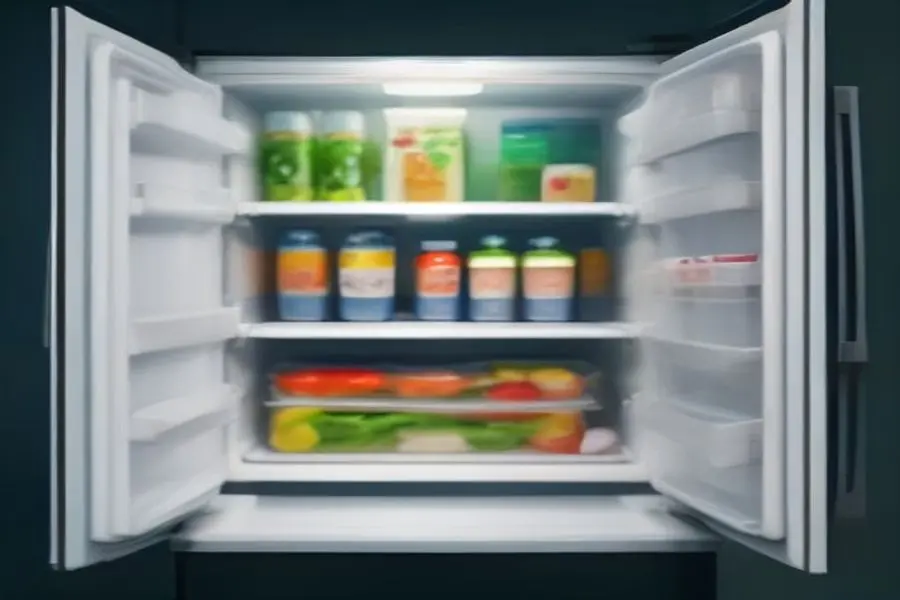
In a world increasingly aware of sustainability and financial prudence, food waste remains a significant challenge. Billions are lost globally each year as perfectly good food ends up in the bin, often due to poor fridge organization or simply forgetting what we have. This cycle not only impacts our wallets but also carries a hefty environmental footprint.
Enter the revolutionary 'Eat Me First' fridge rule, a deceptively simple strategy poised to transform your kitchen and finances. It’s more than just a label; it’s a mindset shift that prioritizes consumption of items nearing their prime, ensuring nothing gets overlooked. This system is ideal for anyone eager to reduce their grocery budget and contribute to a more sustainable lifestyle with minimal effort.
This comprehensive guide will unpack the power of this principle, offering actionable steps to implement it effectively. Whether you're a busy professional, a parent managing a family budget, or an eco-conscious consumer, mastering these smart fridge habits will lead to tangible savings and a profound sense of kitchen control. Prepare to rethink your refrigeration game entirely.
Why This Strategy Is So Successful?
The 'Eat Me First' strategy thrives on its incredible simplicity and immediate visual impact, making it easy to adopt and maintain. It cuts through the clutter of a full fridge, drawing immediate attention to foods that need consuming soonest. This direct approach eliminates decision fatigue, streamlining meal planning and snack choices for everyone.
Its success also stems from addressing a core human tendency: procrastination. By clearly demarcating items with a limited shelf life, the rule creates a gentle urgency, prompting timely action before spoilage. This proactive approach significantly reduces the emotional and financial burden associated with throwing away forgotten groceries, fostering a sense of accomplishment.
In simple terms: this system creates an intuitive visual cue that guides your culinary decisions towards efficiency. The psychological nudge of seeing designated "eat me first" items fosters mindful consumption. This small change leads to substantial savings over time, proving its undeniable effectiveness.
Furthermore, the 'Eat Me First' principle cultivates a deeper awareness of food shelf life and proper storage. It encourages users to inspect and categorize their groceries upon arrival, a practice that naturally leads to better inventory management. This heightened awareness empowers you to make smarter purchasing decisions in future shopping trips.
Key Food Categories Explained for Your 'Eat Me First' Zone
While not "ingredients" in a traditional recipe sense, understanding food categories is crucial for implementing this rule effectively. The 'Eat Me First' zone should house items most prone to spoilage or those opened and needing consumption. This includes a diverse range of fresh produce, dairy, cooked leftovers, and deli meats.
- Fresh Produce: Berries, leafy greens, chopped vegetables, soft fruits (peaches, plums). These items typically have a short shelf life once ripe or prepped.
- Dairy & Eggs: Opened yogurts, sour cream, specific cheeses nearing their expiration date, and eggs due for use within a few days.
- Cooked Leftovers: Any meal prepped or cooked dish from the past 1-3 days. These are prime candidates for quick consumption before bacterial growth becomes an issue.
- Deli Meats & Opened Packages: Sliced turkey, ham, opened packages of bacon, or any product with an exposed surface area that accelerates spoilage.
- Prepared Foods: Store-bought salads, ready-to-eat meals, or opened containers of hummus or dips. Their convenience means they often get forgotten if not prioritized.
The secret to this approach is: consistent categorization and clear visibility. Grouping these perishable items together in a dedicated section of your fridge makes them impossible to ignore. This simple act of organization transforms your fridge from a storage unit into an active inventory management system, reducing waste effortlessly.
Understanding the typical shelf life of different foods also enhances the strategy. Knowing that berries last only a few days versus apples lasting weeks helps prioritize placement. This knowledge empowers you to rotate stock efficiently, minimizing waste and maximizing freshness for all your groceries.
Complete Step-by-Step Implementation Guide
Implementing the 'Eat Me First' rule is a straightforward process that yields immediate results. Follow these steps to set up your system and start saving money while reducing food waste today.
- Declutter and Clean Your Fridge: Start with a clean slate. Remove everything, discard expired items, wipe down shelves, and ensure good air circulation. This foundational step provides a clear overview of your current inventory and habits.
- Designate Your 'Eat Me First' Zone: Choose a highly visible shelf or drawer. A prominent spot, like the top shelf or a clear bin at eye level, works best. This dedicated area ensures that priority items are always the first thing you see when opening the fridge.
- Label Your Zone Clearly: Use a physical label, a bright sticker, or even a dry-erase marker on the shelf. The clearer the label, the more effective the visual cue for you and your household. Consistency in labeling reinforces the new habit.
- Assess and Sort Incoming Groceries: As you unpack new groceries, immediately identify items nearing expiration or those you plan to use soon. Transfer these directly to your 'Eat Me First' zone. This proactive sorting prevents items from getting lost in the back.
- Prioritize Existing Perishables: Review your current fridge contents for any items that need to be eaten within the next 1-3 days. This includes leftovers, opened packages, and ripe produce. Move them to the designated zone without delay.
- Meal Plan Around Your Zone: When planning meals, always check the 'Eat Me First' zone first. Build your recipes and snacks around these items. This ensures rapid consumption and significantly reduces the chance of food going bad before it's used.
- Maintain and Re-evaluate Regularly: Make it a habit to quickly scan your 'Eat Me First' zone daily or every other day. Rotate items as needed, bringing older items to the front. Regular maintenance is key to the system's long-term success and consistency.
The most important tip is: make this a family-wide effort. Educate everyone in your household about the 'Eat Me First' zone and its purpose. When everyone participates, the system becomes a powerful collective habit, leading to even greater savings and waste reduction.
Chef's Expert Tips for Maximizing Your Savings
Beyond the basic setup, a few professional tricks can elevate your 'Eat Me First' strategy from good to truly exceptional. These insights will help you further extend food life and optimize your kitchen efficiency.
Firstly, master the art of proper food storage. Many items spoil prematurely due to incorrect storage. For instance, storing herbs like flowers in a glass of water, or wrapping greens in a damp paper towel, significantly extends their freshness, delaying their entry into the "eat me first" queue.
The professional technique is: always store washed and dried leafy greens with a paper towel in an airtight container to absorb excess moisture and prevent wilting. This simple step can add days to their shelf life.
Consider implementing a "prep-ahead" routine. Chopping vegetables or washing fruits immediately after grocery shopping means they are ready for quick cooking or snacking. While some might go into the 'Eat Me First' zone sooner, pre-prepping often encourages faster consumption because the barrier to use is removed.
Embrace creative cooking. When you see items accumulating in your 'Eat Me First' zone, challenge yourself to create meals that incorporate them. This might mean a "fridge clean-out" stir-fry, a versatile frittata, or a hearty soup. This approach minimizes waste and encourages culinary innovation.
Common Mistakes to Avoid with the 'Eat Me First' Rule
Even the simplest systems can falter if common pitfalls aren't addressed. Being aware of these mistakes will help you maintain the integrity and effectiveness of your 'Eat Me First' strategy, ensuring consistent savings and minimal waste.
- Overfilling the Zone: The most common mistake is: cramming too many items into the 'Eat Me First' section. This defeats its purpose by making it hard to see what needs to be eaten, leading to forgotten items even within the designated area. Keep it manageable.
- Inconsistent Labeling: Failing to clearly label the zone or allowing the label to become obscured leads to confusion. A faded or missing label reduces the visual prompt, diminishing the rule's effectiveness. Re-label or reinforce as needed.
- Ignoring the Zone: Simply having a zone isn't enough; you must actively prioritize its contents when planning meals or grabbing snacks. If you bypass it for newer items, the system breaks down. Conscious engagement is crucial.
- Lack of Communication: If multiple people use the fridge, and not everyone understands the rule, items will inevitably be mismanaged. Ensure all household members are educated on the system and its benefits to foster collective responsibility.
- Forgetting About Freezing: Not every item in the 'Eat Me First' zone needs to be cooked immediately. Many vegetables, fruits, and even cooked dishes can be frozen before they spoil, extending their usability for weeks or months.
Treating the 'Eat Me First' zone as just another storage area, rather than a dynamic priority system, is a significant error. Its power lies in its active management and the consistent prioritization of its contents.
Variations and Advanced Strategies for the Savvy Saver
Once you've mastered the basic 'Eat Me First' rule, consider these advanced strategies and variations to further enhance your food waste reduction and savings efforts. These techniques build on the core principle, offering more nuanced control.
The "Two-Tiered" Priority System
For larger households or those with diverse dietary needs, a two-tiered system can be highly effective. Designate a "Eat Me First - Immediate" zone for items needing consumption within 24-48 hours, and a "Eat Me Soon" zone for items with 3-5 days left. This fine-tunes urgency and prevents sensory overload.
The "Meal Prep Power Hour"
Dedicate a specific hour each week, perhaps after grocery shopping, to process and organize all perishables. This could involve washing, chopping, and portioning vegetables for the 'Eat Me First' zone, or even light cooking for quick meals later in the week. This boosts efficiency and visibility.
The "Recipe Roulette" Challenge
Turn your 'Eat Me First' zone into a game. Once a week, commit to creating a meal using only ingredients from that zone. This fun challenge encourages creativity, reduces waste, and helps discover new favorite dishes. It also ensures consistent rotation of items.
The "Freezing Before Failing" Protocol
Establish a clear protocol for freezing items that won't be eaten in time. This applies to ripe fruits for smoothies, vegetable scraps for broth, or even bread nearing its expiration. Freezing is a powerful tool to extend the life of food that would otherwise be wasted, transforming potential loss into future meals.
How to Maintain and Store Your 'Eat Me First' Success
Sustaining the 'Eat Me First' rule is about consistent habits, not just initial setup. Think of it as an ongoing project for your kitchen's health and your financial well-being. Regular maintenance ensures the system continues to deliver maximum benefits.
For storage, the key is proper containers. Use clear, airtight containers for leftovers and prepped items. This not only keeps food fresh longer but also makes it highly visible, reinforcing the 'Eat Me First' principle. Proper storage directly impacts the longevity of items in your priority zone.
Regarding validity and shelf life, always rely on your senses. While expiration dates are guides, sight and smell are ultimate indicators. If something looks or smells off, it’s best to err on the side of caution. However, many items remain perfectly good past their "best by" date.
A weekly "fridge audit" can be incredibly effective. Before your main grocery shop, take 10-15 minutes to review your 'Eat Me First' zone and the rest of your fridge. Plan meals around remaining items, or consider freezing what won't be consumed. This proactive check prevents waste accumulation.
SEO and Strategic Kitchen Management
Implementing the 'Eat Me First' fridge rule is a low-difficulty task with high rewards. The initial setup takes approximately 30 minutes, with daily maintenance requiring just 5-10 minutes. This strategy yields significant savings, equivalent to reducing your grocery bill by 10-20% monthly. While not a recipe, it contributes to healthier eating by promoting fresh food consumption, indirectly impacting daily caloric intake through reduced processed food reliance. Its universal applicability makes it a top-tier strategy for any kitchen aiming for efficiency and sustainability.
Produtos Relacionados
Encontramos os melhores produtos e recomendações para você relacionados a Hábitos de Geladeira Inteligentes: Sua Arma Contra Desperdício.