
Discover the Secrets of Olive Garden
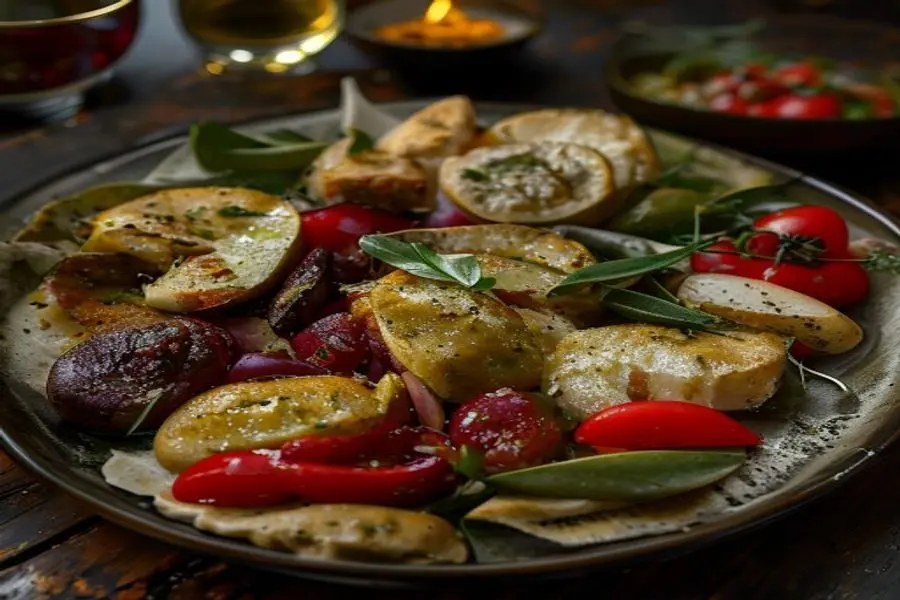
Descubra os Segredos do Olive Garden: Dine Smarter, Savor More
Olive Garden occupies a unique place in the American culinary landscape. For many, it represents comfort, family, and an accessible taste of Italy. However, around this beloved chain, a web of myths and misconceptions has formed. These stories, passed by word of mouth and internet whispers, often shape our dining expectations.
This comprehensive guide aims to unravel the layers of these popular beliefs. By demystifying what happens behind the scenes, we empower you to make more informed choices. Whether you are a loyal fan or a curious customer, understanding the truth can increase your appreciation, or perhaps even alter your perception, of your next visit.
Prepare to challenge preconceived notions and gain a clearer perspective on the casual dining giant. This analysis is perfect for those who love good food, smart meals, and discovering the honest truth about popular establishments. Let's embark on a journey to debunk the most persistent Olive Garden myths and elevate your gastronomic IQ.
Por Que Esses Mitos do Olive Garden Persistem
The allure of a good story, especially about popular brands, is undeniably strong. Olive Garden myths persist due to a mix of clever marketing, deeply ingrained consumer expectations, and the general mystery surrounding large-scale restaurant operations. People want to believe in the magic of "authentic Italian" at an affordable price.
Furthermore, human psychology often favors simplicity over complex realities. It is easier to embrace a captivating myth than to delve into the intricate supply chains and culinary techniques of a large chain. These stories, whether flattering or critical, increase the brand's mystique, keeping conversations alive and customers intrigued. Understanding this makes demystification even more crucial.
The Components of the Misconception: Unraveling the Mythical Narrative of Olive Garden
To truly understand how myths take root, we must examine their underlying "ingredients". These are not culinary components, but rather the elements that fuel the widespread belief. Each factor contributes to the lasting power of misinformation surrounding restaurant chains. Identifying them allows for a clearer and more objective dining perspective.
- Marketing and Branding:The extensive advertising campaigns of Olive Garden have cultivated a specific image. Phrases like "When you're here, you're family" evoke warmth and authenticity, which can be misinterpreted in beliefs about the origin or preparation of each dish. This narrative framework often sets the stage for myths to flourish naturally.
- Consumer Expectations:Customers often arrive with preconceived notions of what an "Italian restaurant" should be. Isso inclui ideias sobre frescor, autenticidade e métodos de preparação. When reality does not align perfectly with these high expectations, alternative explanations, often in the form of myths, arise to fill the gap.
- Urban Legends and Social Media:The internet serves as a powerful amplifier for anecdotal evidence and unverified claims. A single post or comment can quickly spread a myth to millions. Social media platforms, in particular, lack robust fact-checking, making them a breeding ground for the rapid spread of misinformation about popular restaurants.
- Cost-Saving Beliefs:Many myths revolve around the idea that Olive Garden must cut costs to offer its value. Suposições sobre ingredientes congelados ou itens produzidos em massa muitas vezes derivam de uma dedução lógica, embora às vezes incorreta, sobre a economia de restaurantes. These beliefs aim to explain the perceived discrepancies in price and quality.
- Operational Secrecy:Like most large corporations, Olive Garden does not disclose all the details of its kitchen operations. This lack of complete transparency can lead to speculation and conjecture. When official information is limited, people tend to fill the void with their own theories, which often become widely accepted myths over time.
Revealing the Truth: A Detailed Analysis of Demystification
It's time to address the most persistent Olive Garden myths head-on. Each point below delves into a common misconception, offering clarity and factual insights. By understanding the reality behind these popular beliefs, you can approach your next meal with new wisdom and an appreciation for the complexities of large-scale casual restaurant operations.
-
Myth: All the pasta is made fresh daily at the restaurant.
In simple terms:Although some specialty items may be finished on-site, the vast majority of Olive Garden's pasta arrives pre-made and dried. This is a common practice in large restaurant chains. Ensures consistency and efficiency in hundreds of locations. The production of fresh pasta is simply not feasible at this scale.
The industrial process allows for precise cooking times and uniform texture every time. Furthermore, fresh pasta has a significantly shorter shelf life than its dried counterpart. This operational choice prioritizes reliability and cost-effectiveness for consistency nationwide, not the quality of fresh ingredients.
-
Myth: Each sauce is meticulously prepared from scratch in every restaurant.
The secret to this recipe is:Many of Olive Garden's signature sauces are prepared in large batches off-site, often at a central production facility, and then shipped to individual restaurants. Although some fresh ingredients may be added or finishing touches made in-house, base sauces are not made from scratch in every kitchen daily.
This method ensures flavor consistency across all locations, which is vital for a brand of its size. Making each sauce from base ingredients in every restaurant would require
Produtos Relacionados
Encontramos os melhores produtos e recomendações para você relacionados a Discover the Secrets of Olive Garden.
Como Associado Amazon, o Receita Solta recebe por compras qualificadas feitas atraves deste link.