
Flavors that Elevate: Bibimbap with Garden Essence
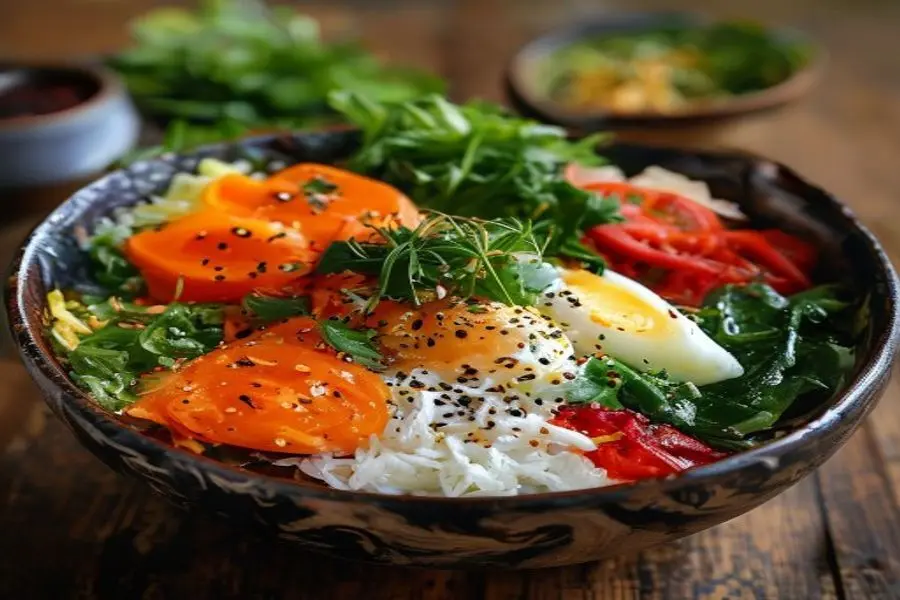
A silent revolution is transforming Korean kitchens across America. Influential chefs, going beyond restaurant walls, are reconnecting with the land, cultivating ingredients that define their culinary art. This shift, highlighted by Bon Appétit's piece on First Hands Farm, is about cultivating a cultural legacy through hyper-local products, enhancing traditional flavors with unparalleled freshness. This movement ensures that a dish like Bibimbap will never taste the same again.
This chef-inspired Bibimbap with Gochujang Vinaigrette embodies this farm-to-table philosophy. It is perfect for those seeking vibrant, healthy flavors and an authentic connection to the source of their food. Prepare it when you desire a nutritious meal that celebrates seasonal ingredients, ideal for a weeknight dinner or an impressive culinary gathering. This recipe offers a deep dive into flavor.
For gastronomy enthusiasts, home cooks, and those passionate about sustainable cooking, this guide is your entry point. It invites you to explore how intentional cultivation elevates every bite, transforming a simple bowl into an extraordinary experience. In simple terms: better ingredients mean better food. This philosophy is at the heart of the modern Korean culinary scene, redefining excellence.
Why this Farm-Fresh Bibimbap is a Culinary Revelation
The deep success of this Bibimbap lies in its adoption of the farm-to-table ethos. When ingredients are harvested at the peak of ripeness, their natural sweetness, crunch, and aromatic qualities are maximized. This direct connection from soil to plate ensures that each component of the dish contributes an intense, unaltered flavor, far surpassing conventional supermarket produce. It is a taste of the chef's garden.
Furthermore, the inherent versatility of Bibimbap makes it universally appealing. It balances whole grains, fresh vegetables, and savory protein, all unified by a dynamic Gochujang Vinaigrette. The beauty of this dish is its adaptability; it can be adapted to seasonal availability and personal preferences, making each version unique. Its practicality is unmatched for a tasty and balanced meal.
Key Ingredients: Farm Bounty on Your Plate
The creation of an exceptional Bibimbap begins with understanding the role of each ingredient. Obtaining the freshest and highest quality components is fundamental, reflecting the chefs' dedication to agriculture. Think of this as your ingredient roadmap for a truly remarkable dish. Your choice of produce directly impacts the final flavor. Prioritizing quality here makes all the difference.
- Short-Grain Rice:The base of Bibimbap, offering a satisfying chewy texture. Absorbs flavors wonderfully.
- Assorted Seasonal Vegetables:(e.g., spinach, zucchini, carrots, mushrooms, bean sprouts). These provide vibrant colors, varied textures, and essential nutrients. Freshness is key for crunch and flavor.
- Marinated Protein:(e.g., thinly sliced bulgogi-style beef, firm tofu, chicken breast). Adds savory depth and substance. Choose high-quality and ethically produced options, when possible.
- Fried Egg: A classic Bibimbap topping, contributing richness and a deliciously runny yolk. Cook only until the whites are firm.
- Gochujang Vinaigrette:A proprietary blend of gochujang, sesame oil, rice vinegar, soy sauce, garlic, and honey. This sauce ties all the flavors together with its spicy, sweet, and acidic notes.
- Toasted Sesame Oil and Seeds:For a nutty aroma and a finishing touch. Essential for an authentic Korean flavor.
Preparing Your Chef-Inspired Bibimbap: A Step-by-Step Guide
- Prepare the Rice: Rinse 1 cup of short-grain rice until the water runs clear. Cook according to package instructions, typically 1 part rice to 1.2 parts water. Once cooked, loosen with a fork and set aside.
- Refogue os Vegetais:Sauté each vegetable individually (e.g., spinach, julienned carrots, zucchini slices, mushrooms) with a touch of sesame oil, garlic, and a pinch of salt. Cook until crisp-tender, maintaining their vibrant colors and distinct textures.
- Prepare the Protein:Marinate the thinly sliced beef (or tofu/chicken) for at least 30 minutes in soy sauce, minced garlic, sesame oil, and a touch of sugar. Sauté until fully cooked and lightly caramelized.
- Make the Gochujang Vinaigrette: Em uma tigela pequena, combine 2 colheres de sopa de gochujang, 1 colher de sopa de vinagre de arroz, 1 colher de sopa de molho de soja, 1 colher de sopa de mel, 1 colher de chá de óleo de gergelim torrado e 1 dente de alho picado. Beat until smooth.
- Fry the Egg:Heat a non-stick skillet over medium heat. Frite um ovo com a gema para cima (sunny-side up), garantindo que as claras estejam firmes, mas a gema permaneça lindamente escorrendo. This adds a luxurious and creamy texture to the dish.
- Assemble Your Bibimbap:In a large bowl, arrange a bed of hot rice. Artfully arrange the sautéed vegetables and prepared protein over the rice. Place the fried egg delicately in the center.
- Sirva:Drizzle generously with the Gochujang Vinaigrette and sprinkle with toasted sesame seeds. Serve immediately, encouraging diners to mix all ingredients for a harmonious blend of flavors and textures. Enjoy the freshness.
Chef's Secrets: Elevating Your Bibimbap to Culinary Art
The most important tip is: Source your ingredients locally and seasonally whenever possible. This is the cornerstone of the chefs' agricultural movement, ensuring unparalleled freshness and flavor. Visit farmers' markets or support local producers to experience the true potential of farm-to-table cooking. Quality ingredients make all the difference to your dish.
culinary tip d
Produtos Relacionados
Encontramos os melhores produtos e recomendações para você relacionados a Flavors that Elevate: Bibimbap with Garden Essence.
Como Associado Amazon, o Receita Solta recebe por compras qualificadas feitas atraves deste link.