
Golden Bubbles, Crispy Edges: The Secret to Thai Fried Egg
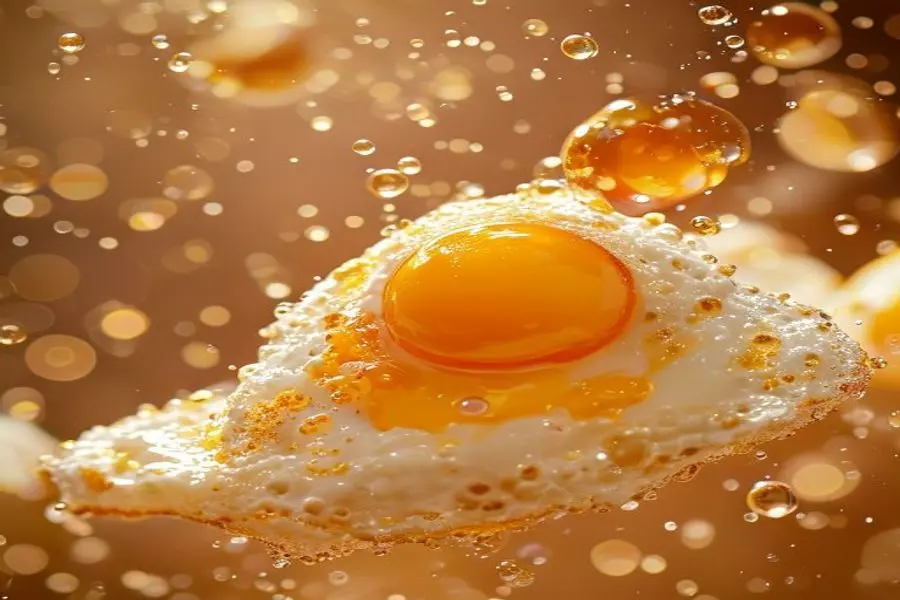
Golden Bubbles, Crispy Edges: Master Thai Fried Eggs
Imagine a fried egg with ethereal, lacy edges that shatter with every bite, contrasting beautifully with a rich, perfectly runny yolk. This is not just a dream; is the signature of a Thai-style fried egg, known as "kai dao". This simple technique transforms a humble ingredient into a culinary masterpiece, celebrated for its unique textures and deep flavor.
What is the ideal time to prepare this sensational dish? The kai dao is incredibly versatile, perfect for elevating a quick weekday breakfast, enhancing a relaxing weekend brunch, or even as a decadent topping for your favorite rice or noodle dishes. It is a quick and tasty addition that brings a gourmet touch to any meal, proving that simplicity can be absolutely luxurious.
This recipe is ideal for those looking to hone their egg technique, from novice cooks to experienced chefs looking for a new textural experience. Its straightforward methodology ensures success, making it accessible while providing consistently impressive results. Prepare to surprise yourself and your guests with the ultimate crispy fried egg experience.
Why Is This Recipe So Successful?
The success of Thai fried eggs lies in their captivating contrast of textures: impossibly crispy and bubbly whites enveloping a soft, golden yolk. This dish is not just popular; is an institution in Thai cuisine, frequently found at street food stalls and in home kitchens. Its universal appeal stems from the magical transformation of basic ingredients into something extraordinary.
In simple terms: the intense heat and generous oil create an instant and aggressive sizzle that quickly cooks the egg white, forming those airy bubbles and the desired golden crispness. The secret to this recipe is the high-temperature oil, which quickly fries the edges. This process ensures the yolk remains perfectly runny, offering a rich and satisfying counterpoint to the crispy whites.
Beyond texture, the flavor profile is exquisitely simple yet deep, often enhanced by a touch of soy sauce or fish sauce. Its practicality is unmatched, requiring minimal ingredients and only minutes to prepare. Esta combinação de velocidade, simplicidade e resultados sublimes torna o kai dao um favorito perene, constantemente procurado por entusiastas da gastronomia em todo o mundo.
Explaining the Ingredients
- Large Fresh Eggs (1-2 per serving):Fresh eggs are crucial for keeping the yolk firm and centered, producing a perfect dome. Its quality directly impacts the overall flavor and visual appeal, ensuring a vibrant and intact yolk.
- High Smoke Point Oil (e.g.: Rice Bran, Avocado, Canola) (½ cup per egg):The abundant amount of oil is fundamental to achieving those characteristic crispy and lacy edges. Using an oil with a high smoke point prevents burning at the high temperature required, facilitating the quick-frying effect.
- Pinch of Salt:A small pinch of salt enhances the natural flavor of the egg, creating a more balanced flavor profile. It is a simple addition that makes a significant difference, subtly seasoning the egg.
Complete Step by Step
- Heat the Oil:Pour about ½ cup of high-smoke-point oil into a small, deep frying pan or wok. Heat over high heat until it begins to shimmer and smoke slightly. The oil needs to be very hot to get instant crunch.
- Crack the Egg:Delicately crack an egg directly into the hot oil. Be careful, as the oil will bubble immediately. This quick cooking is what creates the characteristic crispy and airy edges of the kai dao.
- Drizzle Vigorously:Using a spoon, immediately begin to pour the hot oil over the egg white and especially over the yolk. Continue basting for 1-2 minutes until the edges are golden and super crispy, and the egg white is fully cooked. The yolk should remain gloriously runny.
- Remove and Season:Carefully lift the fried egg with a slotted spoon, allowing the excess oil to drain. Transfer to a plate. Season immediately with a pinch of salt. Serve without delay to enjoy maximum crispiness.
Chef's Tips
The most important tip is the oil temperature. The oil MUST be aggressively hot to achieve instant crispiness and prevent the egg from absorbing too much oil. Aim for almost smoking, about 175-190°C (350-375°F), before placing the egg. This creates immediate textural magic.
The professional technique is to baste continuously. Don't let the egg sit. With a spoon, constantly pour hot oil over the top, focusing particularly on the yolk. This ensures that the whites cook evenly and the yolk remains warm and liquid without setting completely. Fresh eggs also produce the best results for perfectly round yolks.
A large, deep wok or a small, deep frying pan works best for frying. This allows the egg to be properly immersed in the hot oil, promoting even cooking and maximum crispiness. Always use enough oil; saving will lead to a soggy egg, not a crispy one. Ensure the pan is not overcrowded; fry one egg at a time for optimal results.
Common Mistakes
- Not Using Enough Oil:The most common mistake is using too little oil. Skimping on oil prevents the egg from reaching its characteristic deep-fried crispiness, resulting in a less impressive, greasy texture instead of light and airy.
- Oil Not Hot Enough:Placing an egg in warm oil will cause it to absorb oil and become soggy instead of crispy. The oil must be aggressively hot to quickly fry the egg white, creating those desired bubbles and lacy edges.
- Old Eggs:Older eggs tend to spread more in the pan, leading to less defined shapes and a flatter yolk. Fresh eggs hold their shape better, ensuring a beautiful and compact fried egg.
Produtos Relacionados
Encontramos os melhores produtos e recomendações para você relacionados a Golden Bubbles, Crispy Edges: The Secret to Thai Fried Egg.
Como Associado Amazon, o Receita Solta recebe por compras qualificadas feitas atraves deste link.