
Leftover Wine? Transform into Effortless Culinary Jewels
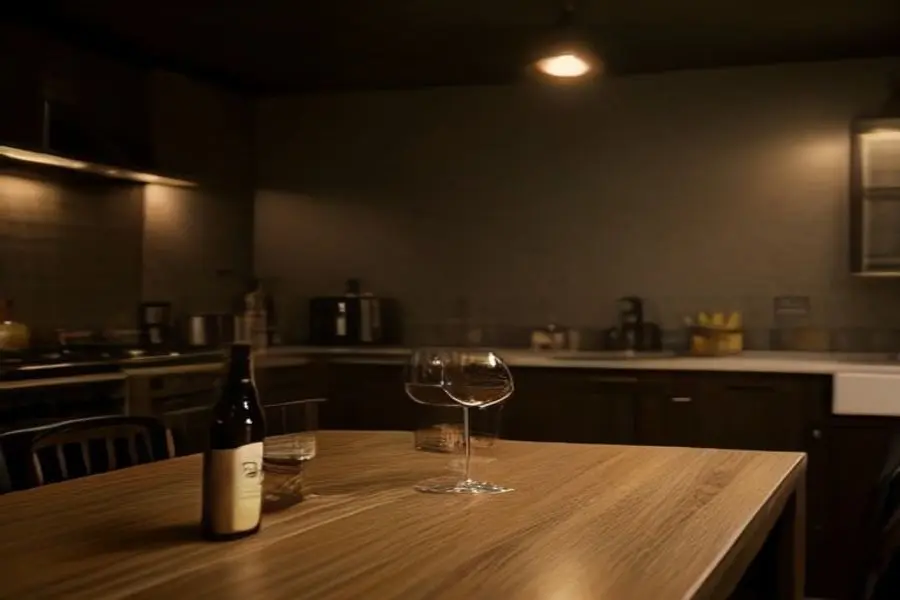
No More Waste: Turn Unfinished Wine into Gourmet Kitchen Essentials
After a lively gathering, finding a few half-empty wine bottles is a common scene. Often, these precious leftovers are sadly discarded, a true missed opportunity in the culinary world. This article transforms this perceived waste into an exciting chance to elevate your daily cooking, turning leftover wine into genuine culinary gold.
Whether you are dealing with just a splash of white wine or an almost full bottle of red wine, there is a multitude of ingenious uses waiting. From imparting deep flavor to a bubbling ragu to creating a vibrant pan sauce in minutes, leftover wine offers remarkable versatility. It is the secret ingredient your weeknight meals have been craving.
This comprehensive guide is ideal for the home cook looking to minimize waste, the aspiring chef looking to deepen their flavor profiles, or anyone eager to explore sustainable kitchen practices. Prepare to unlock a world of gourmet possibilities, proving that every drop of wine possesses culinary potential far beyond the glass.
Why Using Leftover Wine is a Culinary Game-Changer
Reusing leftover wine is not just about avoiding waste; is a powerful strategy for enhancing flavor. Wine introduces a complex layer of acidity, sweetness, and tannin that can elevate even the simplest dishes. It acts as a flavor multiplier, drawing out richer notes from your ingredients.
In simple terms: wine adds a sophisticated depth that water or broth alone cannot achieve. Its alcohol content, which mostly evaporates during cooking, carries aromatic compounds throughout the dish, ensuring a more fragrant and flavorful result. This makes it an indispensable tool for home cooks.
The practicality of this approach is undeniable. It saves money by utilizing what you already have and contributes to a more sustainable kitchen environment. Instead of pouring liquid gold down the drain, you are reinvesting it into delicious, homemade meals, incorporating true culinary ingenuity into every dish.
The Stars of Your Reused Wine Kitchen
Although the focus is on the remaining wine, understanding its role alongside complementary ingredients is fundamental. The type of wine often dictates the best pairing, guiding you to harmonious flavor combinations. Embrace this diversity to master your wine-infused creations.
Your Remaining Wine: Red, White, or Sparkling
Red wine, whether a robust Cabernet or a lighter Pinot Noir, imparts deep, savory notes. It is perfect for rich meat sauces, hearty stews, and braises, adding color and umami. The tannins provide structure, making it a pillar for slow-cooked dishes.
White winelike a crisp Sauvignon Blanc or a dry Pinot Grigio, offers brightness and acidity. It is excellent for seafood, poultry, and lighter vegetable dishes. White wine helps to deglaze pans effectively and forms the base for delicate cream or butter sauces.
Even the sparkling winecan find a second life beyond toast. Its effervescence may have faded, but its acidity and subtle fruit notes remain. Use it for delicate reductions, light vinaigrettes, or to deglaze a pan for a surprisingly bright sauce for chicken or fish.
Pantry Essentials and Flavor Enhancers
Aromaticslike onions, garlic, and shallots are fundamental building blocks. They create a fragrant base that blends beautifully with the wine, enhancing its natural complexities. Sautéing them before adding the wine extracts their sweetness and depth, a crucial first step.
Broth, whether chicken, beef, or vegetable, provides the liquid volume needed for sauces and stews. When combined with wine, it dilutes the intensity while adding another layer of savory flavor. Choose a low-sodium option to control the overall seasoning.
Herbs and spices, from fresh thyme and rosemary to bay leaves and bell peppers, introduce aromatic nuances. They are crucial for customizing the flavor profile of your wine-based dishes. Consider its origin: Italian herbs for tomato-based sauces, or French for classic reductions.
Tomates, in paste form, crushed or chopped, are ideal companions for red wine. Its acidity and sweetness complement the depth of the wine, creating robust pasta sauces, chilis, and braising liquids. They add body and a rich, satisfying texture to many dishes.
Fatslike butter or olive oil are essential to start your sauté, deglaze, and finish sauces. Butter, in particular, adds a silky texture and richness, emulsifying into a glossy, restaurant-quality finish. The olive oil provides a fruity and peppery backbone.
Mastering Culinary Techniques with Leftover Wine
Transforming leftover wine into exquisite meals involves some fundamental techniques. Each method highlights the wine's ability to add unparalleled depth and complexity. Mastering them will empower you to tackle almost any culinary challenge with confidence and creativity.
Method 1: The Essential Deglaze for Instant Flavor
Deglazing is perhaps the fastest and most impactful way to use leftover wine. After searing meats or vegetables, tasty golden bits (fond) adhere to the bottom of the pan. Adding wine to this hot pan dissolves those bits, creating an instant explosion of flavor for your sauce.
- Seals your protein or vegetables:Cook chicken, steak, or mushrooms until well browned, then remove them from the pan.
- Add a touch of wine:While the pan is still hot, pour in a quarter to half a cup of remaining red or white wine. The steam and the sizzle signal the beginning of the magic.
- Scrape the bottom:Use a wooden spoon or spatula to vigorously scrape the bottom of the pan, loosening all
Produtos Relacionados
Encontramos os melhores produtos e recomendações para você relacionados a Leftover Wine? Transform into Effortless Culinary Jewels.
Como Associado Amazon, o Receita Solta recebe por compras qualificadas feitas atraves deste link.