
Stop Sticky Dough: Daily Guide to Perfect Orecchiette
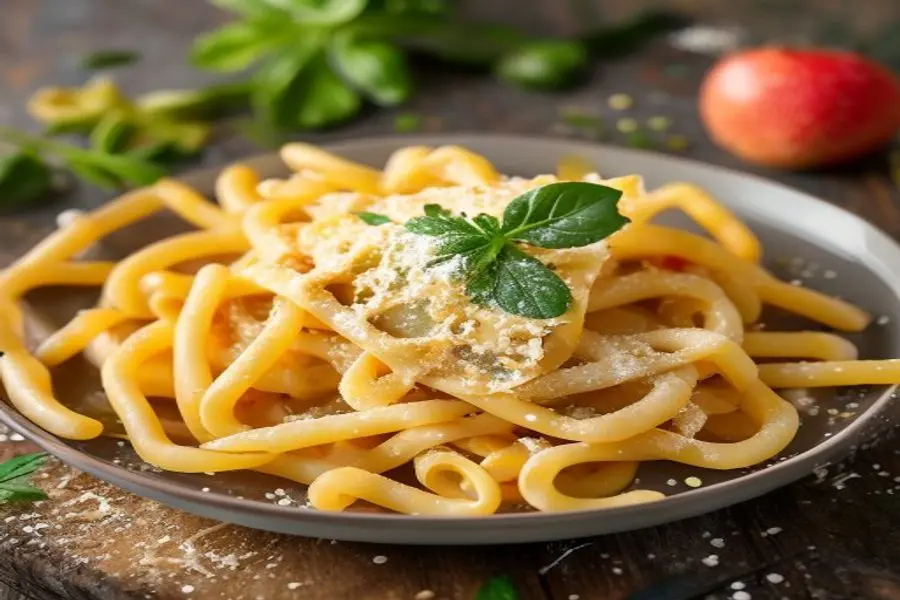
There is nothing as frustrating as a pot of pasta turned into a sticky, unappetizing clump. This common kitchen problem often plagues beloved hollow shapes like orecchiette, turning meal prep into a tedious exercise of separation. Many home cooks resign themselves to this fate, but achieving perfectly separated and fluffy pasta is simpler than you think.
\nThis guide demystifies the art of cooking pasta, especially those delicate shapes that tend to stick. It is designed for anyone tired of clumpy pasta, offering practical steps to ensure each portion is a testament to culinary precision. Prepare to transform your pasta nights into truly easy and enjoyable experiences.
\nWhy does this method work so well? It tackles head-on the central issues of starch release and surface adhesion, promoting an active cooking approach. When should you prepare the dough this way? Always, especially with fresh or irregularly shaped varieties. This guide is ideal for busy parents, beginner home chefs, and anyone in search of culinary perfection.
\n\nINGREDIENTS EXPLAINED
\nTo master the art of non-stick pasta, understanding its primary "ingredients" is fundamental, even beyond the pasta itself. Proper hydration and seasoning are paramount for optimal results. Think of it not just as cooking, but as creating the perfect environment for your dough.
\nThe Role of Water
\nIn simple terms:Plenty of water is crucial. The pasta needs ample space to move freely and release its starch effectively without concentrating it in the pot. Using insufficient water leads to a thicker and stickier starch solution, which inevitably glues the pasta pieces together. Try to use at least 4-5 liters of water for every 500g of pasta.
\nThe Importance of Salt
\nThe secret to the perfect dough is: Salt not only seasons the dough from within, making it flavorful, but also subtly helps prevent it from sticking. Salted water slightly raises the boiling point and, more importantly, creates a less hospitable environment for the pasta starches to adhere. It is a non-negotiable step for flavor and texture.
\nOil: Friend or Foe?
\nAlthough some advocate adding oil to pasta water, this is generally discouraged. The oil can coat the dough, preventing sauces from sticking properly later. O erro mais comum é:relying on oil to prevent sticking, instead of a proper volume of water and agitation. The adhesion of your sauce is more important than a potentially less sticky surface achieved through oil.
\n\nCOMPLETE STEP BY STEP
\nAchieving perfectly separated pasta, especially hollow shapes like orecchiette, is an engaged activity that rewards attention. Follow these steps meticulously for consistently excellent results. Each step contributes to the desirable final texture and prevents frustrating clumps.
\n- \n
- Choose Your Pan Wisely: Use a large, deep pot. The larger the pot, the more water you can use, giving the pasta ample room to move and preventing starch concentration. This is the fundamental step for success. \n
- Boil Abundantly and Salt Generously:Fill your large pot with plenty of cold water. Let it reach a vigorous, bubbling boil before adding any pasta. Once boiling, season the water generously with salt – it should taste like the sea. \n
- Add the Pasta and Stir Immediately:Pour your orecchiette or other hollow pasta into the boiling water with intensity. The most important tip is: stir continuously and vigorously during the first minute or two after adding the batter. This initial stirring prevents the dough from settling and sticking. \n
- Maintain a Vigorous Boil:Maintain the water at a strong, bubbling boil throughout the cooking process. Cooking over low heat allows the dough to clump together. Stir occasionally, especially with shapes prone to sticking, ensuring even cooking and separation. \n
- Cook to Al Dente Perfection:Follow the package instructions for cooking time, but always taste a minute or two before. Aim for "al dente" – firm to the bite, but cooked through. Overcooked pasta becomes mushy and more prone to sticking. \n
- Reserve Pasta Water and Drain Quickly:Before draining, remove about a cup of starchy pasta water. This liquid is gold for emulsifying your sauce later. Drain the pasta immediately using a colander, but do not rinse it in cold water. \n
- Mix with the Sauce Immediately:Transfer the drained pasta directly to your prepared sauce. Mix thoroughly and promptly. This prevents cooling and sticking, allowing the pasta to absorb the flavors of the sauce. \n
CHEF'S TIPS
\nElevate your pasta preparation with these expert tips. They are not just tricks; are fundamental principles that professional chefs employ daily to ensure perfect texture and flavor integration. They will transform your pasta dishes.
\nexpert culinary tip: "Think of the dough as a living ingredient. It demands your presence and observation. The textural journey from raw to al dente is subtle; lose it, and you lose everything."\n
- \n
- Use Fresh Pasta Water for the Sauce:That reserved starchy water isn't just for grating. It helps emulsify the sauce, creating a silky and cohesive coating for your pasta. It is crucial for achieving restaurant-quality results. \n
- Match the Pasta Shape with the Sauce:Although not directly about sticking, pairing the right pasta with the right sauce improves the overall experience. Hollow shapes stand out with thicker sauces that can get trapped inside, maximizing flavor with every bite. \n
- Do Not Overcrowd the Pan:A common mistake is trying to cook too much pasta in a small pot. If you are cooking for a crowd, consider using two pans
Produtos Relacionados
Encontramos os melhores produtos e recomendações para você relacionados a Stop Sticky Dough: Daily Guide to Perfect Orecchiette.
Como Associado Amazon, o Receita Solta recebe por compras qualificadas feitas atraves deste link.