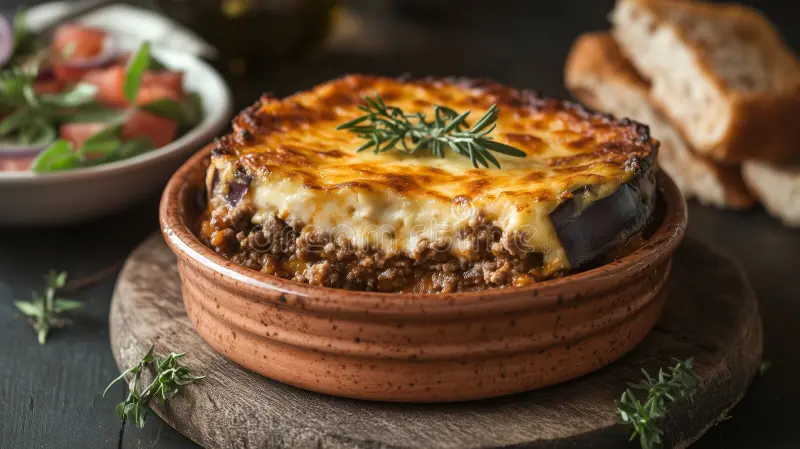
Europeia
Moussaka: O Delicioso Prato Grego que Você Precisa Experimentar
Moussaka: O Delicioso Prato Grego que Você Precisa Experimentar
30 min

The irresistible journey to bagels with perfect natural fermentation.
Por
Equipe Receita Solta
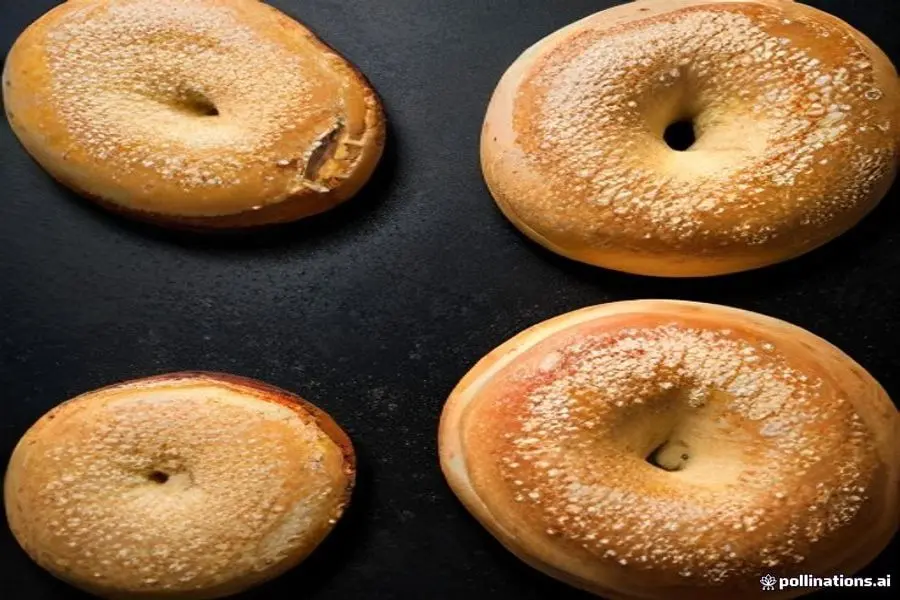
"Artisan sourdough bagels with a crispy and shiny crust and a dense and chewy crumb. The quick boiling in alkalized water before baking ensures the classic and authentic texture of traditional baking."
- Active sourdough (levain) provides aromatic complexity and superior digestibility to the dough. - The low hydration of the dough creates a firm structure needed to maintain the circular shape without collapsing. - The brief bath in boiling water with baking soda gelatinizes the surface starch, generating a shiny crust.
<p>The Artisanal Sourdough Bagels are a celebration of natural yeast baking, offering a unique culinary experience. This recipe guarantees a gloriously crispy crust and a surprisingly soft crumb, with that acidic and complex touch that only sourdough provides. It is an invitation to explore the magic of fermentation.</p>
<p>This recipe is ideal for home bakers with active sourdough starter looking to expand their repertoire. The approach is simplified, ensuring success and transforming the art of making bagels into a pleasant and rewarding activity. The short answer is: perfect for those who love real bread.</p>
<p>Preparing sourdough bagels is perfect for a weekend project, a special brunch, or an unforgettable breakfast. The flexibility allows you to adapt it to your schedule, whether with quick same-day fermentation or the convenience of an overnight fermentation. The most important tip is to plan your time.</p>
<p><strong>Activate the Sourdough Starter:</strong> Feed your sourdough starter 4-6 hours before, ensuring it is bubbly and at its peak activity. This is crucial for the yeast in the bagel dough. The professional technique to check its strength is the buoyancy test: the starter should float in the water.</p>
<p><strong>Mix the Dry and Wet Ingredients:</strong> In a large bowl, dissolve honey or malt in warm water. Add the active sourdough starter to the wet mixture, stirring gently. In another container, combine wheat flour and sea salt, ensuring homogeneous distribution. This step prepares the dough base.</p>
<p><strong>Combine the Batter:</strong> Pour the liquid over the dry ingredients. Use a spatula or hands to combine, forming a sticky dough. Cover and let rest for 30 minutes (autolyse). In simple terms: autolysis hydrates the flour and begins gluten development, essential for the final bagel texture.</p>
<p><strong>Kneading the Dough:</strong> After autolysis, transfer the dough to a lightly floured surface. Knead for 10-15 minutes until smooth, elastic, and passes the windowpane test. Bagel dough needs to be firmer than bread dough. The secret to this recipe is good gluten development.</p>
<p><strong>Bulk Fermentation:</strong> Return the dough to an oiled bowl, cover, and let it ferment at room temperature for 2-4 hours, with folds every 45-60 minutes. The dough should double in volume. This fermentation develops flavor and strength in the bagel structure, essential for its chewy texture.</p>
<p><strong>Form the Bagels:</strong> Divide the dough into 8 equal portions. Roll into a firm ball, use your thumb to make a hole in the center, stretching gently. The hole should be visible, without being excessively large. The most important tip is to keep the dough moist when molding, facilitating manual work.</p>
<p><strong>Cold Fermentation (Overnight Option):</strong> Place the shaped bagels on a baking sheet lined with parchment paper and refrigerate, covered, for 12-18 hours. Slow fermentation deepens the sourdough flavor, providing complexity. To bake on the same day, ferment in an environment for 1-2 hours until they swell slightly. Adapt to your routine.
<p><strong>Prepare for Cooking and Boiling:</strong> Preheat the oven to 220°C (425°F). Prepare a large pot with boiling water and add baking soda. Baking soda helps caramelize the crust, ensuring the characteristic crunch of the bagel. The short answer is: raises the pH of the water, favoring the Maillard Reaction.</p>
<p><strong>Boil the Bagels:</strong> Remove the bagels from the refrigerator. Dip 2-3 at a time in boiling water for 30-60 seconds on each side. Remove with a slotted spoon, drain well, and place on a baking sheet. The most common mistake is boiling for too long or too little, which directly affects the final texture of the bagel.</p>
<p><strong>Bake the Bagels:</strong> If desired, add your favorite toppings (sesame seeds, poppy seeds). Take the bagels to the preheated oven and bake for 10 minutes. Reduce the temperature to 200°C (400°F) and bake for 10-15 more minutes, or until they are golden and with a crispy crust. Serve hot and fresh.</p>
<p><strong>Active Yeast is Fundamental:</strong> Ensure your sourdough starter is bubbly, light, and has a pleasant aroma before starting the recipe. A simple test is to put a small spoonful of baking powder in a glass of water; it should float. This ensures the necessary strength for the dough's leavening.</p>
<p><strong>Water Temperature:</strong> Use warm water (not hot!) to activate the yeast. The ideal temperature is between 35-40°C. Very hot water can kill the yeast, while cold water excessively slows down the process. The professional technique is to use a culinary thermometer.</p>
<p><strong>Perfect Shape:</strong> For a consistent shape, after making the hole with your thumb, spin the dough between your fingers, gently stretching to expand the ring. The hole should not close completely during fermentation and cooking. The most common mistake is not opening the hole enough.
<p><strong>Creative Toppings:</strong> After boiling the bagels, dip them in sesame seeds, poppy seeds, dried garlic, or grated cheese while still moist. Toppings adhere better at this stage. Press lightly to ensure they stay well fixed during baking.</p>
<p><strong>The Importance of Malt:</strong> Diastatic malt powder, or honey, provides sugars for the sourdough yeasts and aids in crust caramelization. This results in a more beautiful color and a deeper flavor in the final product. It is a small detail that makes a big difference.</p>
<p><strong>Inactive Yeast:</strong> Using a weak or inactive starter results in dense bagels without the desired volume. Always check the vitality of your yeast before starting. The most important tip is to feed the yeast correctly and wait for its peak.</p>
<p><strong>Insufficient Kneading:</strong> Bagel dough requires good gluten development for its chewy texture. Kneading for a short time will result in bagels without structure and excessively soft. Kneading enough is crucial for the characteristic chewy bite.</p>
<p><strong>Overboiling or Underboiling:</strong> Boiling for too long can make the bagels chewy, while boiling for too little time will result in a dull and less crunchy crust. The ideal time is 30 to 60 seconds per side. In simple terms: balance the cooking time.</p>
<p><strong>Excess Flour:</strong> A very dry dough will be difficult to work with and will result in hard bagels. Add flour gradually and only enough so that the dough doesn't stick excessively. The secret of this recipe is balanced hydration.</p>
<p><strong>Inadequate Fermentation:</strong> Both insufficient and excessive fermentation can compromise the final texture. Observe the signs of the dough: it should be slightly swollen, but not over-aerated. The most common mistake is not trusting visual and tactile observation.</p>
<p><strong>Everything Bagels:</strong> After boiling, cover the bagels with a mixture of black and white sesame seeds, poppy seeds, dehydrated garlic and onion, and coarse salt. This is a classic and highly tasty topping. The professional technique is to moisten the surface well for adhesion.</p>
<p><strong>Cheese and Pepper Bagels:</strong> Incorporate grated cheddar cheese and red pepper flakes directly into the dough during the kneading stage. Serve them hot, perhaps with a touch of spicy cream cheese. This version offers a spicier and more robust flavor.</p>
<p><strong>Whole Wheat Bagels:</strong> Replace up to 50% of the white flour with whole wheat flour. Adjust hydration as necessary, as whole wheat flour absorbs more water. The result will be bagels with a richer nutritional profile and a more earthy flavor.</p>
<p><strong>Malt and Rye Bagels:</strong> Add a tablespoon of rye flour and a little more diastatic malt to the dough. This combination provides a more complex and traditional flavor, with slightly sweet and earthy notes. It is a variation for more sophisticated palates.</p>
<p><strong>Serve Fresh:</strong> Bagels are best enjoyed fresh, ideally still warm from the oven. Cut in half and spread with butter, cream cheese, jam, or your favorite fillings. The experience is unparalleled when the bagel is freshly baked. The short answer is: eat them soon!</p>
<p><strong>Storage:</strong> Store the remaining bagels in an airtight container at room temperature for up to 2 days. To extend shelf life, freeze them. Cut them in half before freezing to facilitate later preparation. The most common mistake is leaving them exposed to the air.</p>
<p><strong>Freezing:</strong> To freeze, place the cooled bagels in a plastic bag suitable for freezing, removing as much air as possible. Can be stored in the freezer for up to 3 months. To consume, toast them directly from the freezer for a quick breakfast.</p>
<blockquote>"The magic of sourdough baking lies in patience and the ability to transform simple ingredients into something extraordinary. Each bagel tells a story of time, care, and love." - Chef Alex Ribeiro
Encontramos os melhores utensílios e ingredientes para você preparar Artisanal Sourdough Bagels: Ideal Crunch, Soft Center com perfeição.
Como Associado Amazon, o Receita Solta recebe por compras qualificadas feitas atraves deste link.
- Cover with 'everything bagel' mixture: sesame seeds, poppy seeds, dehydrated garlic and onion, and coarse salt. - Add cinnamon powder and raisins to the dough during kneading for a classic sweet breakfast version. - Sprinkle coarsely grated parmesan cheese on top just before putting the baking dish in a very hot oven.
- The honey added to the dough can be replaced with barley malt syrup or sugarcane molasses. - The strong bread flour can be replaced by traditional wheat flour with an 11% protein content. - The baking soda from the boiling can be replaced by 1 tablespoon of brown sugar or liquid malt.
Store in a paper or plastic bag closed at room temperature for up to 3 days. To consume with the original freshness, cut in half and pass in the toaster until the crumb is lightly browned.
Cut the bagels in half and freeze the slices in airtight bags for up to 3 months. Place the frozen halves directly in the toaster on a medium cycle to thaw and toast simultaneously.
Serve with a generous layer of cream cheese, slices of smoked salmon, capers, and thin rounds of red onion.
Drop a teaspoon of baking powder into a glass of cold water (buoyancy test). If the bubbling batter floats to the surface due to trapped gases, it is ready for immediate use.
The quick boil cooks the starch on the outer surface, blocking excessive expansion of the dough in the oven. This thermal shock produces the chewy, shiny crust characteristic of authentic bagels.
Roll the dough into a firm sphere and poke the center with your floured thumb. Rotate the dough around your two index fingers in gentle circles until a hole of about 4 cm in diameter opens.
The oven must be very hot, preheated to 220°C. High heat browns the surface treated by the alkaline bath and bakes the dense interior in about 20 to 25 minutes.
Moussaka: O Delicioso Prato Grego que Você Precisa Experimentar
Currywurst: O Sabor Alemão que Conquistou o Brasil
Descubra o Delicioso Panettone Tradicional Brasileiro