Cacio e Uova: The Creamy Neapolitan Pasta that Comforts
Discover the authentic flavor of Naples in this classic, simple, and irresistible pasta recipe with eggs and cheese.
RS
Por
Equipe Receita Solta
Prep Time15 min
Cook Time20 min
Servings4 servings
DifficultyEasy
Calories480 kcal
Resumo para quem tem pressa
"A classic Neapolitan comfort dish in which steaming al dente pasta emulsifies with fresh eggs, plenty of pecorino romano cheese, parmesan, and black pepper. A quick preparation that does not require heat for finishing the sauce."
Pasta Cacio e Uova is a Neapolitan classic that offers comfort and flavor in every bite. This recipe explores the perfect harmony between cheeses, eggs, and pasta, creating an incredibly creamy and enveloping sauce. Perfect for a quick dinner or to impress without effort.
O Que Você Precisa Saber
- The sauce is a raw emulsion of beaten eggs and grated cured cheeses with freshly ground black pepper.
- The residual heat of the freshly drained pasta and ladles of cooking water cook the eggs in velvety texture.
- Speed in mixing off the heat prevents the eggs from coagulating into pieces and turning into scrambled eggs.
Ingredients
Essential Ingredients for Cacio e Uova Pasta
300 g Spaghetti or Rigatoni
3 units Large eggs
80 g Pecorino Romano (freshly grated)
20 g Parmesan Cheese (freshly grated)
1 teaspoon Black pepper (freshly ground)
a gosto Sal grosso
1 tablespoon Extra virgin olive oil
1 cup (approx.) Pasta cooking water
Instructions
Instructions: The Magic of Creaminess in Steps
1
In simple terms: Cook the pasta in abundant salted water, following the package instructions until al dente. Reserve a cup of the cooking water before carefully draining the pasta. This starch-rich water is crucial for the final creaminess of the sauce. The al dente point ensures the best texture.
2
The short answer is: While the dough cooks, prepare the sauce base. In a large bowl, beat the eggs with the grated Pecorino Romano and Parmesan cheeses. Add freshly ground black pepper. Misture vigorosamente até obter uma pasta homogênea. This mixture is the savory heart of your sauce.
3
The secret of this recipe is the perfect emulsion. Add a ladle of the pasta cooking water to the egg and cheese mixture, whisking quickly. This seasons the eggs without cooking them and begins to form a silky cream. Repeat if necessary, adding water gradually until reaching a creamy consistency.
4
The professional technique is to incorporate the pasta while still steaming. Immediately after draining, transfer the pasta to the bowl with the egg and cheese mixture. Stir quickly and continuously, using tongs, so that the residual heat of the pasta gently cooks the eggs and melts the cheeses, creating a velvety sauce.
5
The most important tip is speed. If the dough starts to get dry, add a little more of the reserved cooking water, one tablespoon at a time, stirring constantly. Olive oil can be added now for extra shine and mild flavor. Serve immediately to enjoy the perfect texture.
6
The most common mistake is overheating the eggs. Make sure the dough is warm, but not boiling, when mixing. Never place the bowl directly on the heat. The residual heat is enough to cook the eggs without curdling them, maintaining the desired creaminess and avoiding scrambled eggs.
Equipe sua Cozinha
Encontramos os melhores utensílios e ingredientes para você preparar Cacio e Uova: The Creamy Neapolitan Pasta that Comforts com perfeição.
Como Associado Amazon, o Receita Solta recebe por compras qualificadas feitas atraves deste link.
Chef Tips
- Grate the Pecorino Romano and Parmesan on the finest grater to facilitate immediate dissolution in the liquid emulsion.
- Season the egg and cheese mixture with 2 tablespoons of the hot pasta water, whisking non-stop before adding the spaghetti.
- Transfer the dough directly from the water pan to the egg bowl with culinary tongs to maintain heat.
Variations
- Add golden and crunchy guanciale or pancetta cubes in the final assembly for a rustic carbonara version.
- Add fine lemon zest to the egg emulsion to give a refreshing citrus aroma to the dish.
- Finish with fresh basil leaves torn by hand over the dish at the time of serving.
Substitutions
- Pecorino romano cheese can be replaced by pure parmesan cheese or national grana padano cheese.
- Traditional spaghetti can be swapped for rigatoni, bucatini, fettuccine, or durum wheat linguine.
- Extra virgin olive oil can be replaced by 1 tablespoon of softened unsalted butter.
How to Store
Consume immediately as soon as the pasta is coated in the sauce. Dishes based on fresh egg emulsion and cheese do not tolerate reheating without curdling or drying out the dough.
Can You Freeze It?
Freezing is completely not recommended for doughs with fresh egg emulsion and cheese, as the creamy texture falls apart into granules of curdled egg.
What to Serve With
Pairs with a green romaine lettuce salad with olive oil, a glass of dry Italian white wine (such as Pinot Grigio), and artisan bread.
Frequently Asked Questions
What is the difference between Cacio e Uova paste and classic Carbonara?
The Neapolitan Cacio e Uova uses the same base of cured cheese, eggs, and black pepper, but does not include guanciale or any type of pork in the traditional recipe.
How to prevent eggs from turning into an omelet or curdling?
Never take the egg bowl to the direct flame of the stove. Mix the hot pasta in the bowl off the heat and stir vigorously with the cooking water to create the creamy emulsion.
Why is the pasta cooking water so important in this recipe?
The water concentrates the starch released by the pasta during boiling, acting as a thermal binding agent that unites the cheese fats to the egg yolks.
Can I use only egg yolks instead of whole eggs?
You can use 4 egg yolks instead of 3 whole eggs if you prefer a sauce with a more intense golden color and an extremely rich and velvety texture.
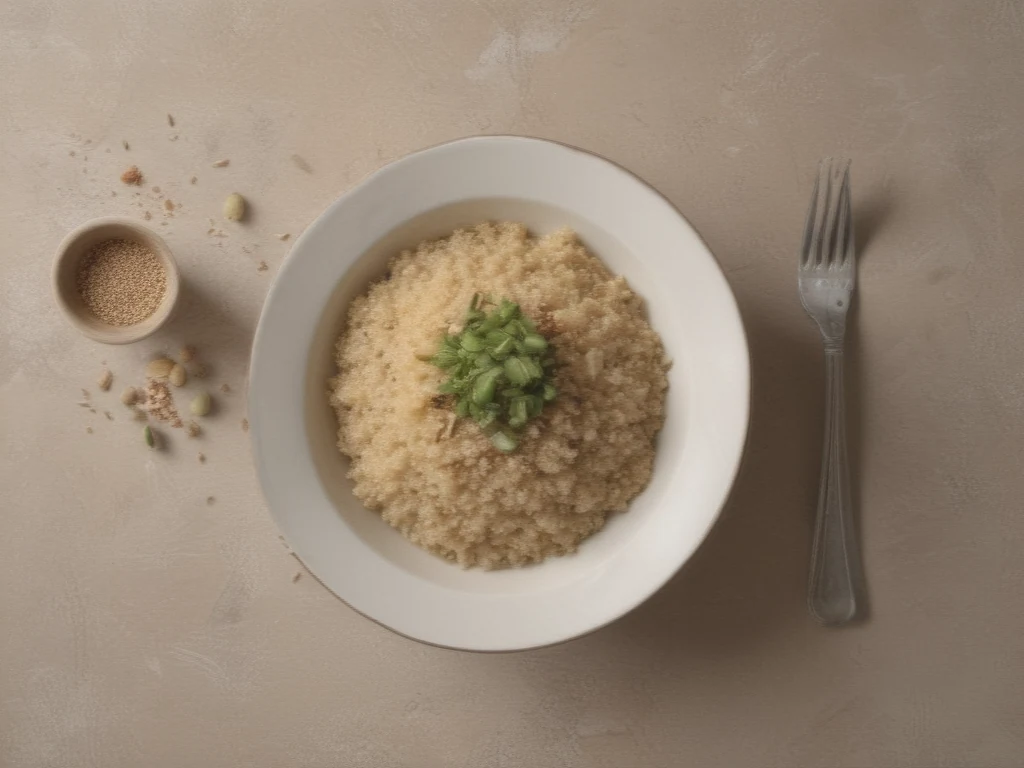
Descubra o Risoto Cremoso de Quinoa, uma alternativa saudável e deliciosa ao tradicional risoto de arroz. Combina quinoa cozida com molho filetto di pomodoro, Pecorino Romano e um toque de caldo. Perfeito para uma refeição nutritiva e rápida.