Camarão

An irresistible ode to Southern United States cuisine, ready in minutes.
Por
Equipe Receita Solta
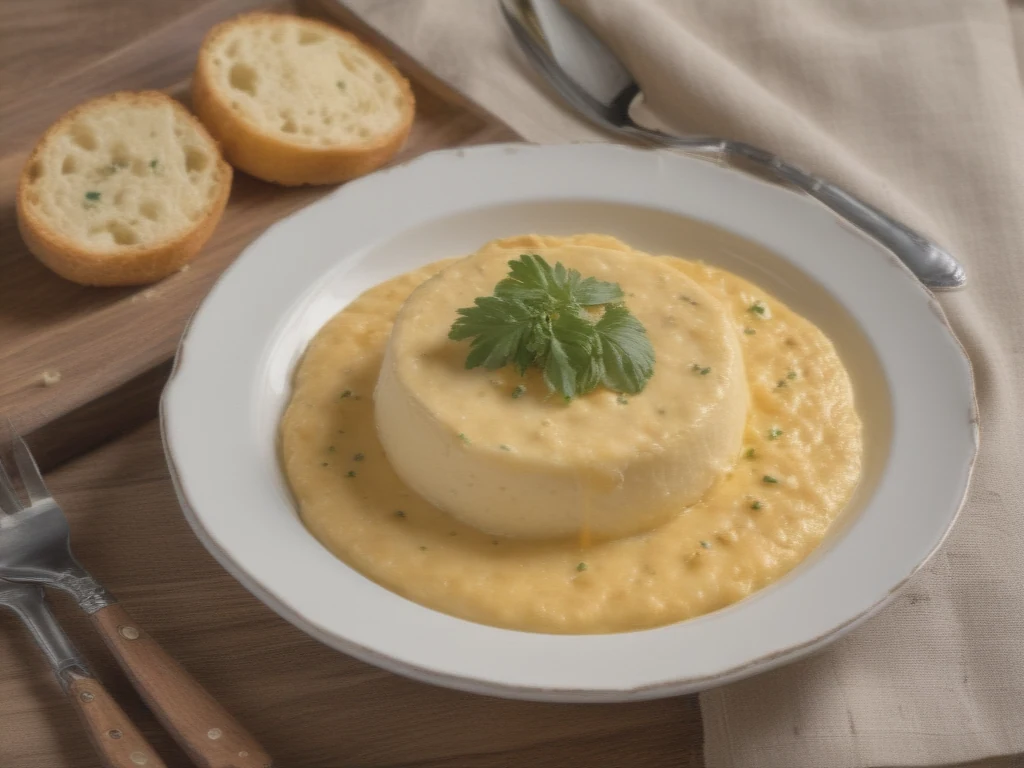
"A classic from the Southern United States, this dish combines creamy corn grits enriched with cheddar cheese with Cajun-spiced shrimp, crispy bacon, and lemon."
- Gentle cooking of the grits: boiling the corn in chicken broth over minimum heat produces a velvety texture without lumps. - Enrichment with cheddar and butter: incorporating dairy off the heat melts the ingredients homogeneously. - Single cast iron skillet: searing shrimp in the residual fat of fried bacon adds a smoky flavor.
In a medium saucepan, boil the chicken broth (or water) with the salt and pepper. Slowly add the grits, stirring constantly to avoid lumps. Reduce heat to minimum, cover, and cook for 5-7 minutes, or until the grits are soft and the liquid absorbed, stirring occasionally. It is essential to stir the grits continuously when adding, ensuring a smooth and homogeneous texture. This step prevents the formation of unwanted lumps, which can compromise the final creaminess of the dish. The ideal consistency is the first step to success.
Remove the pan from the heat. Incorporate the butter and grated cheddar cheese, stirring vigorously until the cheese melts and the grits become very creamy. If necessary, add a little more hot broth to adjust the consistency. Keep warm, covered, while you prepare the shrimp. The most important tip is not to overheat the grits after adding the cheese, so it doesn't separate or harden. Residual heat is enough to melt the cheddar, promoting a perfect fusion. Adjust the consistency with broth for the desired creaminess.
While the grits are cooking, season the cleaned shrimp with Cajun seasoning and 1 tablespoon of olive oil. Mix well so that all the shrimp are coated with seasoning. Reserve for a few minutes so they absorb the flavors. The secret of this recipe is to season the shrimp generously and let it rest for a brief period. This allows the flavors of the Cajun seasoning to penetrate the meat, enhancing its taste. This short marinating time makes all the difference in the final result.
In a large and heavy skillet (preferably cast iron), fry the diced bacon over medium heat until it is crispy and golden. Remove the bacon from the skillet with a slotted spoon, leaving the fat in the pan. Reserve the fried bacon for the finishing. The professional technique is to ensure the bacon fries slowly, releasing all its fat and reaching perfect crispness. Bacon fat is the fundamental base for the pan sauce, adding a deep, smoky flavor. Do not discard this valuable fat.
In the same skillet with the bacon fat (if necessary, add a little olive oil), add the chopped onion and green bell pepper. Sauté for 3-5 minutes, or until they are soft and translucent. Add the minced garlic and cook for another minute, until fragrant. The most common mistake is burning the garlic; it should be added last to the vegetables, cooking only until aromatic. Sautéing the vegetables creates the aromatic base for the sauce, adding layers of flavor and natural sweetness to the dish. Cook over medium heat.
Increase the heat to medium-high. Add the seasoned shrimp to the skillet and cook for 2-3 minutes on each side, or until pink and opaque. Avoid overcooking so they don't become rubbery. Remove the shrimp from the skillet and set aside. For juicy shrimp, it is crucial not to overcook them. It cooks very quickly, and overcooking makes it rubbery. Watch for the color change to a vibrant pink and opaque texture, indicating the perfect doneness. The very hot pan is essential.
In the same skillet, add the chicken broth and lemon juice. Scrape the bottom of the pan with a wooden spatula to release all the tasty bits (fond). Let the sauce boil and reduce slightly for 1-2 minutes. This step of deglazing the pan is vital to extract all the caramelized flavors from the bottom. In simple terms: these little brown bits are liquid gold of flavor. The lemon adds a touch of acidity that balances the richness of the sauce and enhances the flavor of the shrimp.
To serve, spoon a generous portion of creamy grits onto each plate. Arrange the cooked shrimp over the grits. Drizzle with the reduced pan sauce. Finish with the reserved crispy bacon and fresh chopped parsley. Sirva imediatamente e aproveite! Presentation is part of the gastronomic experience; arrange the shrimp attractively over the grits. Fresh parsley is not just a garnish, but adds a freshness that complements the richness of the dish. Serve warm to enjoy the creaminess and heat.
Encontramos os melhores utensílios e ingredientes para você preparar Creamy Shrimp with Cheddar Grits: A Southern Glow on the Plate com perfeição.
Como Associado Amazon, o Receita Solta recebe por compras qualificadas feitas atraves deste link.
- Addition of andouille sausage: add thin slices of smoked sausage sautéed along with the bacon cubes. - Grits with fresh corn: fold in half a cup of fresh corn kernels cooked into the cheddar porridge. - Extra spicy touch: finish the dishes with drops of traditional Louisiana fermented hot sauce.
- Corn grits: replace with fine yellow corn grits or fine cornmeal cooked like traditional creamy polenta. - Sharp cheddar cheese: use grated semi-cured Canastra cheese, aged prato cheese, or mild provolone. - Cajun Seasoning: mix smoked paprika, garlic powder, onion powder, cayenne pepper, dried oregano and dried thyme.
Store the shrimp with the sauce and the grits in separate containers in the refrigerator for up to 2 days. Since the cornmeal porridge firms up when cold, add half a cup of broth or milk when reheating on the stove.
We do not recommend freezing this assembled recipe. Corn porridge breaks in texture and weeps water upon thawing, and grilled shrimp loses juiciness, becoming fibrous and dry in the freezer.
Serve traditionally with garlic sautéed collard greens, warm American cornbread with butter, or a fresh salad of ripe tomatoes with green onions and artisanal apple cider vinegar.
Grits is a traditional thick porridge made from ground hominy corn; in Brazil, the best equivalence in flavor and consistency is fine corn grits.
Yes, cooking the grits in half milk and half chicken broth confers an even more velvety and dairy-rich profile to the Southern preparation.
Cook over medium-high heat for only 2 minutes until they are pink in a C shape and remove from heat, using the heat of the broth only to warm.
No, use a block of authentic matured cheddar cheese grated on a coarse grater so that it melts into a velvety cream without separating artificial fat.
Camarões Grandes ao Forno com Alho, Vinho Branco e Ervas
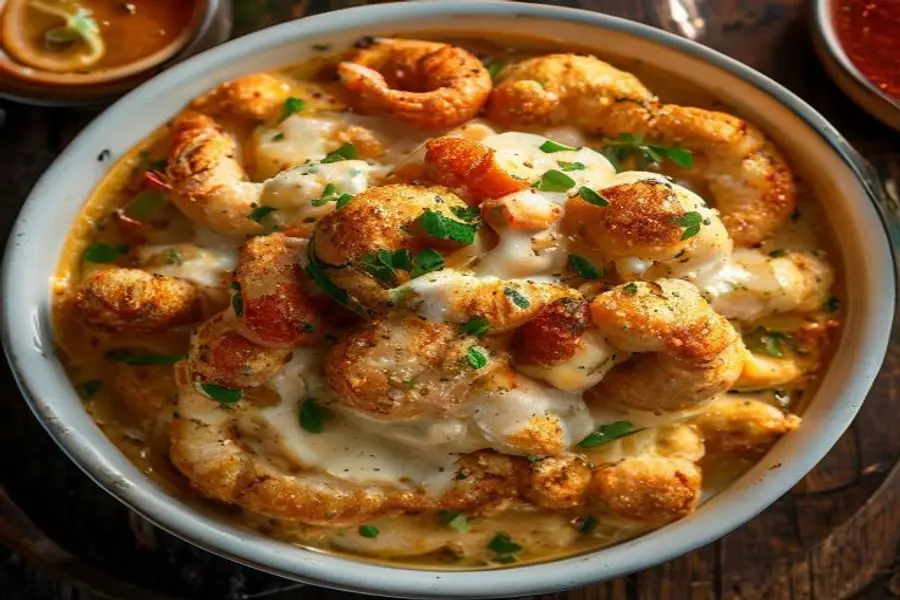
Viaje para Porto Rico com esta versão refinada do clássico mofongo. Um bolinho de plátano amassado, recheado com camarões suculentos e temperados. Complementado por um aioli cítrico, este prato oferece uma experiência inesquecível. Uma jornada por novos sabores que aguça o paladar e celebra a riqueza cultural da culinária latina.