
Receitas de Festa Julhina
Por
Master Receita Solta
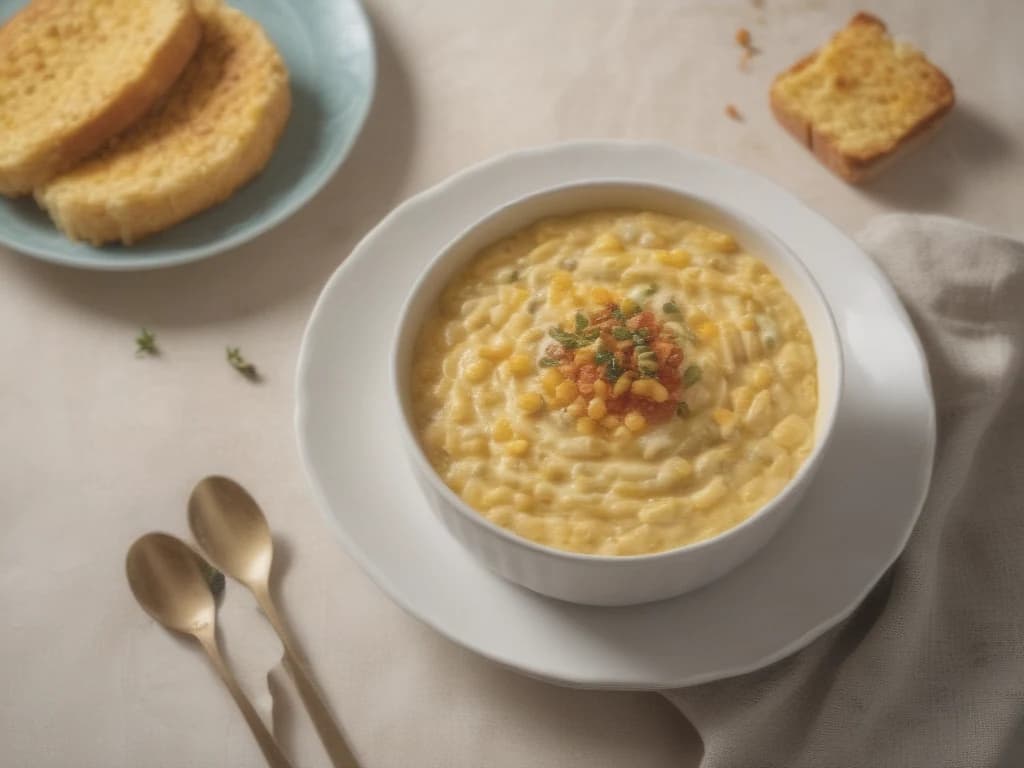
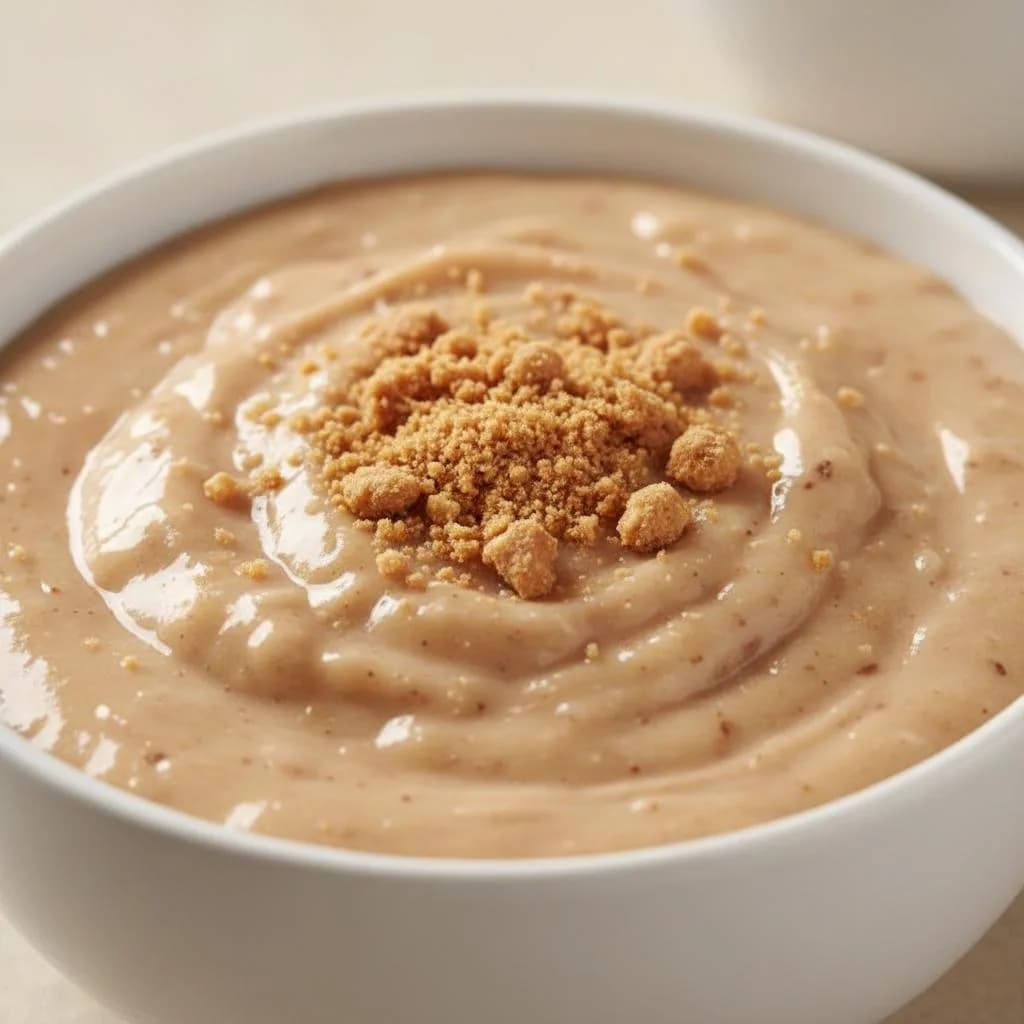
"A dessert that is a symbol of June celebrations throughout Brazil, curau combines fresh broth extracted from shucked green corn with whole milk, cooked until they become a velvety cream covered with cinnamon powder. It is worth making for the authenticity of the rustic flavor that no industrial starch can reproduce."
- Apenas o amido natural do milho verde é responsável pela consistência espessa, dispensando adição de maisena ou trigo - Coar o milho batido em peneira fina ou pano limpo elimina as fibras da casca e garante a textura lisa característica - Cozinhar em fogo médio mexendo sem parar por 15 minutos é obrigatório para o amido gelatinizar e perder o gosto cru
Remove the corn kernels from the cobs and place them in the blender.
Add 2 cups of milk to the blender and blend until smooth.
Strain the mixture into a pan, using a sieve, to remove the corn remains.
Add the remaining 2 cups of milk, sugar, and the pinch of salt to the pan.
Bring to medium heat and stir constantly until it begins to thicken.
Continue stirring for about 10 to 15 minutes, until reaching a creamy consistency.
Pour the curau into a mold or individual bowls.
Let it cool to room temperature and then refrigerate until very cold.
Encontramos os melhores utensílios e ingredientes para você preparar Curau: the Traditional Flavor of the Northeast com perfeição.
Como Associado Amazon, o Receita Solta recebe por compras qualificadas feitas atraves deste link.
- Sirva o curau morno em tigelas fundas para comer de colher ou gelado em travessa para cortar em fatias consistentes - Adicione 1 colher de sopa de manteiga de garrafa na panela antes de desligar para dar brilho sedoso ao creme - Polvilhe queijo coalho ralado fino por cima da canela em pó para criar um contraste doce e salgado típico do Nordeste
- O leite de vaca integral pode ser substituído por leite de coco caseiro para um sabor nordestino mais marcante - O açúcar refinado pode ser substituído por açúcar demerara ou leite condensado reduzindo o volume pela metade - A canela em pó polvilhada pode ser substituída por canela em pau fervida na panela junto com o creme
Store the curau in bowls covered with plastic wrap touching the surface in the refrigerator for up to 4 days. The film prevents the formation of a dry skin and keeps the sweet moist and shiny.
Freezing the ready-made curau is not recommended, as the creamy texture of the cornstarch curdles and releases water upon thawing. Enjoy the curau always fresh, kept under regular refrigeration.
Harmonizes perfectly with freshly sprinkled cinnamon powder, sliced Minas Frescal cheese, or hot drip coffee brewed in a cloth. In typical parties, it accompanies boiled corn, savory pamonha, and aromatic quentão.
It is not recommended, as canned corn is already cooked and loses its fresh active starch, resulting in a thin texture that requires cornstarch.
The cream thickens heavily on the spoon, begins to bubble, opening small shiny craters, and releases a characteristic sweet aroma.
The sieve retains the fibrous pulp of the grain husk; without straining, the curau becomes rough and with an unpleasant sandy texture in the mouth.
It can be enjoyed hot and creamy fresh from the pot or chilled after a few hours in the refrigerator, when it acquires a sliceable consistency.