
Asiática
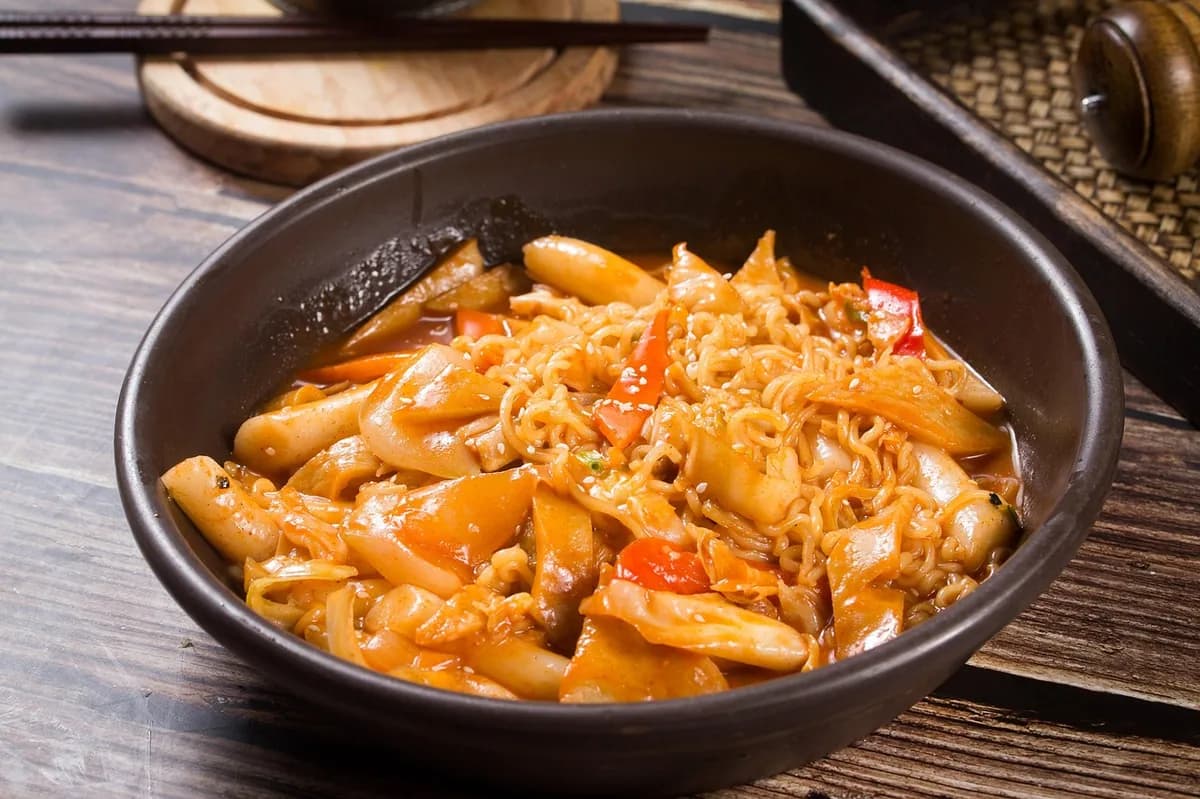
Tteokbokki: O Sabor Picante que Vai Te Conquistar
Tteokbokki: O Sabor Picante que Vai Te Conquistar
30 min
An essential guide to adjusting the spiciness of your curry, enhancing the richness of each spice.
Por
Equipe Receita Solta

"This aromatic and welcoming curry brings chicken breast cubes, potatoes, and carrots wrapped in a silky sauce of coconut milk and peeled tomatoes. The moderate spiciness enhances the spices without masking the ingredients."
- The slow sauté of onion, garlic and ginger in fat forms the deep aromatic base of the dish. - Cooking the curry paste for 1 minute before the liquids activates the aromatic oils of the spices. - The spinach added in the last minute wilts in the steam, maintaining its soft texture and green color.
In simple terms: Heat the oil or ghee in a large pot or wok over medium heat. Add the chopped onion and sauté for 5-7 minutes, until soft and translucent. This step forms the aromatic base of your curry.
The professional technique is to incorporate garlic and ginger. Add the minced garlic and grated ginger to the pan, cooking for another 1 minute until fragrant. Avoid burning, as this can make the sauce bitter, compromising the final flavor.
Add the cubed chicken to the pan and sear it on all sides until golden brown. It is not necessary to cook completely at this stage; the goal is to create a flavorful layer that will seal the internal juices of the meat. Remove the chicken and set aside.
The secret of this recipe is the curry paste. In the same pan, add the curry paste or powder, stirring for about 1 minute to release the aromas. Start with the smallest amount if spiciness is a concern. This heating enhances the spices.
Pour the coconut milk, broth, and peeled tomatoes into the pot. Mix well, scraping the bottom to release any tasty residues. The short answer is: this is the liquid base that can be adjusted to control the intensity of the spiciness.
Return the chicken to the pan, add the potatoes and carrots. Bring the sauce to a gentle boil, then reduce heat, cover, and cook for 20-25 minutes, or until the chicken is cooked and the vegetables are soft. Stir occasionally to prevent sticking.
The most important tip is to taste and adjust. Remove a little of the sauce and taste. If it is too spicy, add more coconut milk, a little plain unsweetened yogurt, or even a teaspoon of sugar/honey to balance. Lemon juice also helps to brighten the flavor.
Finally, add the fresh spinach, cooking just until wilted, for about 2-3 minutes. Season with salt and black pepper to taste. Finish with chopped fresh cilantro before serving, adding a touch of freshness to the dish.
For a milder sauce, add dairy: The professional technique is to use natural yogurt, heavy cream, or more coconut milk to 'mask' the spiciness. Coconut milk is excellent, as it adds creaminess and a tropical flavor without being heavy. Incorporate gradually, always tasting.
Balance with acids and sugars: In simple terms: a touch of lemon juice or rice vinegar can cut the heat, while a pinch of brown sugar or honey softens it. Acidity and sweetness act as counterpoints to capsaicin, the molecule responsible for spiciness.
Starches and dense vegetables as allies: The short answer is: potatoes, cooked rice, or vegetables like zucchini absorb part of the flavor and spiciness. If your curry is too intense, add more of these ingredients and cook longer so they absorb the flavors.
The secret to this recipe is toasting the spices. Always start by toasting the dry spices or curry paste for a minute before adding liquids. This releases its essential oils, intensifying the flavor and allowing better control over the amount of pepper.
If the spiciness is too high, remove pieces of pepper: The most important tip is that if you used fresh chili peppers and the dish is unbearable, try removing them. A large part of the capsaicin is in the seeds and internal white membranes. Removing them can make a big difference.
Adding excess pepper right at the beginning: The most common mistake is overestimating the tolerance to spiciness. It's always easier to add more pepper later than to try to remove it. Start with a smaller amount and add gradually throughout cooking, tasting constantly.
Do not taste during the process: The professional technique is to taste the sauce at different stages of cooking. This allows for fine adjustments of salt, spices, and, crucially, spiciness before the flavor sets completely. Your palate is your best thermometer.
Diluting the curry with plain water: In simple terms: adding only water can decrease the spiciness, but it will also dilute all the other flavors and the consistency of your sauce. Prefer to use broth, extra coconut milk, or dairy to maintain richness and texture.
Not giving enough time for the flavors to develop: The secret to this recipe is that a good curry needs time to simmer gently. Haste prevents the ingredients from mixing and the softening agents, such as potato or coconut milk, from absorbing the intensity of the sauce.
Vegan or Vegetarian Curry: Replace the chicken with chickpeas, lentils, firm tofu, or a variety of vegetables such as pumpkin, cauliflower, and peas. Use vegetable broth to keep the version completely free of animal products. The texture and flavor will be equally rich.
Seafood Curry: Add shrimp, white fish, or squid in the last 5-10 minutes of cooking to prevent them from becoming rubbery. In simple terms: seafood cooks quickly and absorbs the intense flavors of the curry in a delicious way. A touch of lemon zest can enhance.
Quick Version for Everyday Life: Use already cooked chicken or leftover meat to reduce preparation time. Pre-cook the vegetables in the microwave to speed up the process. The short answer is: this variation is ideal for weekly dinners, maintaining flavor without complication.
Fitness Curry: Reduce the amount of coconut milk by half and top up with vegetable broth to lower the calories. Add more leafy vegetables and lean proteins. The most important tip is to focus on fresh and light ingredients for a nutritious and healthy meal.
How to Serve: Serve the Comfortable Chicken and Vegetable Curry hot, accompanied by fluffy basmati rice or fresh naan bread. A portion of plain yogurt or fresh raita on the side can offer a refreshing contrast to the richness of the dish. Fresh chopped cilantro finishes it perfectly.
Storage: Store leftover curry in an airtight container in the refrigerator for up to 3-4 days. The most common mistake is leaving the curry out of the refrigerator for too long, which can compromise food safety. It tends to get even tastier the next day.
Freezing: For longer periods, the curry can be frozen for up to 2-3 months. Make sure it is completely cold before transferring to freezer-safe containers. The professional technique is to thaw slowly in the refrigerator before reheating gently on the stove.
Encontramos os melhores utensílios e ingredientes para você preparar Comfort Curry: Taming the Heat and Celebrating Balanced Flavor com perfeição.
Como Associado Amazon, o Receita Solta recebe por compras qualificadas feitas atraves deste link.
- Add 1 cup of cooked chickpeas along with the potatoes for a more substantial profile. - Sprinkle toasted sliced almonds on top when serving to add a crunchy texture. - Incorporate fresh frozen peas at the end along with the spinach to vary the colors of the stew.
- The chicken breast can be replaced by boneless thighs or cubes of tender pork loin. - The English potato can be substituted with sweet potato or boiled cassava cut into pieces. - Fresh spinach can be swapped for chard leaves or chopped kale without the thick stems.
Store in a closed container in the refrigerator for up to 4 days. The dish gains flavor complexity while resting; reheat over low heat with 2 tablespoons of water or coconut milk if the sauce thickens.
It can be frozen for up to 2 months in suitable containers. It is worth remembering that boiled potato can slightly alter the texture, becoming a bit sandy; reheat directly in the pan until boiling.
Perfect when served with very fluffy basmati rice, warm naan bread, or refreshing cucumber raita.
Add 2 to 3 additional tablespoons of full-fat coconut milk or a spoonful of plain Greek yogurt. Milk fat encapsulates the capsaicin of the pepper, immediately reducing the sensation of heat.
Spices contain fat-soluble aromatic compounds. Quick frying in oil or ghee dissolves these essential oils, developing layers of flavor richer than simple dilution in water.
Yes. Use 2 tablespoons of good quality yellow curry powder, sautéing it with the garlic and grated ginger for the same amount of time before adding the coconut milk and broth.
Cut the breast cubes into generous pieces of about 3 cm and control the total gentle simmering time to a maximum of 20 to 25 minutes. Slow cooking immersed in coconut milk preserves the juiciness of the fibers.
Tteokbokki: O Sabor Picante que Vai Te Conquistar
Frango Xadrez: Sabor e Tradição em um Prato Delicioso