
Asiática
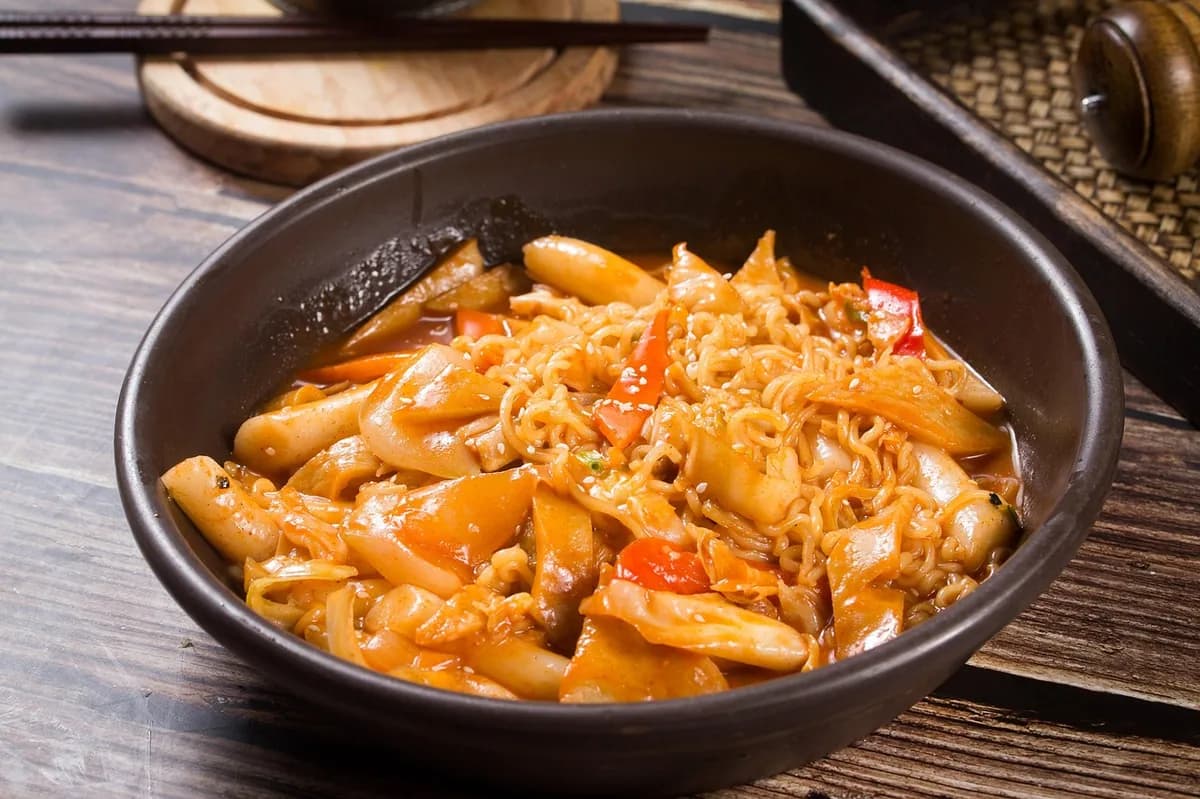
Tteokbokki: O Sabor Picante que Vai Te Conquistar
Tteokbokki: O Sabor Picante que Vai Te Conquistar
30 min
An excellent culinary project that delights demanding palates.
Por
Equipe Receita Solta

"A noble technique of Japanese gastronomy in which salmon fillets with skin marinate for 24 hours in sake kasu paste (sake lees), mirin, soy sauce, and ginger. Golden until the skin is crispy and served with nira and yuzu zest."
- The fermented sake lees (sake kasu) penetrate the fish fibers, bringing a soft texture and unique umami notes. - Removing the excess paste before sealing is essential, as the fermented sugars burn quickly in the skillet. - Quickly sautéed nira and citrus yuzu zest cut through the natural unctuousness of the salmon meat.
Start by preparing the marinade paste. In a bowl, combine the sake kasu, sake (mirin), brown sugar, sea salt, soy sauce, and grated ginger. Mix well until you get a homogeneous paste. Reserve for the next step.
Pat the salmon fillets very dry with paper towels. Spread a generous layer of the sake kasu paste over each side of the salmon fillets, ensuring they are completely covered. The short answer is: cover evenly.
Transfira os filés marinados para um recipiente hermético ou envolva-os individualmente em filme plástico. Refrigere por pelo menos 24 horas e no máximo 48 horas. A dica mais importante é: a marinação é a alma do sabor.
Pré-aqueça o forno a 200°C. Antes de cozinhar, retire cuidadosamente o excesso de sake kasu dos filés com uma espátula ou papel toalha. Não lave os filés. Tempere levemente com sal e pimenta-do-reino.
In a non-stick skillet that can go in the oven, heat the vegetable oil over medium-high heat. Place the salmon fillets skin side down. Brown for 3-4 minutes until the skin is crispy and golden. In simple terms: seal the skin well.
Turn the fillets and place the skillet directly into the preheated oven. Bake for 7-10 minutes, or until the salmon reaches the desired degree of doneness (internally at 50-55°C for medium).
Retire do forno e deixe os filés descansarem por alguns minutos antes de servir. Isso ajuda a redistribuir os sucos, mantendo o salmão mais suculento. Finalize com nirá picado e raspas frescas de yuzu.
Serve immediately, accompanied by Japanese rice and fresh vegetables, if desired. Enjoy the complexity of flavors and the perfect texture of this Michelin-star-worthy dish, a true tribute to Japanese cuisine.
Encontramos os melhores utensílios e ingredientes para você preparar Crispy Sake-Kasuzuke Salmon with Chives and Yuzu: Japanese Essence com perfeição.
Como Associado Amazon, o Receita Solta recebe por compras qualificadas feitas atraves deste link.
- Apply the sake kasu marinade to firm white fish steaks like sea bass, swordfish, or fresh cod. - Brush a subtle layer of toasted sesame oil over the fish right as it comes out of the hot oven. - Sprinkle toasted black sesame seeds over the sautéed nira at the final assembly of the dish.
- Sake kasu can be replaced with sweet white miso (shiro miso) mixed with 2 tablespoons of dry sake. - Yuzu zest can be replaced by fine lemon zest combined with tangerine zest. - The nira (Japanese garlic chives) can be replaced by traditional green onions and 1 sliced garlic clove.
Conserve os filés assados em recipiente de vidro vedado na geladeira por até 2 dias. Reaqueça na frigideira seca em fogo brando com a pele para baixo por 3 minutos para resgatar a crocância.
Freeze the raw fillets wrapped in the sake kasu paste in a vacuum-sealed plastic bag for up to 60 days. To prepare, thaw in the refrigerator for 12 hours, remove excess, and bake normally.
Harmoniza perfeitamente com arroz japonês gohan vaporizado, sopa de missoshiro tradicional e saquê junmai gelado.
Sake kasu is the dense lees resulting from pressing fermented rice in artisanal sake production; is acquired fresh or pressed in grocery stores and emporiums of Japanese products.
Unlike citrus marinades with lemon that denature the protein, sake kasu has mild fermentation that softens the fibers enzymatically without curdling the fish meat.
Use a non-stick or well-heated iron skillet, grease with neutral oil, and press the fillet with a spatula for the first 20 seconds to prevent the skin from shrinking and peeling off.
Yes, the heat of the skillet and the minutes in the oven at 200°C evaporate all the residual alcohol content, leaving only the fruity aromas and the fermented umami flavor.
Tteokbokki: O Sabor Picante que Vai Te Conquistar
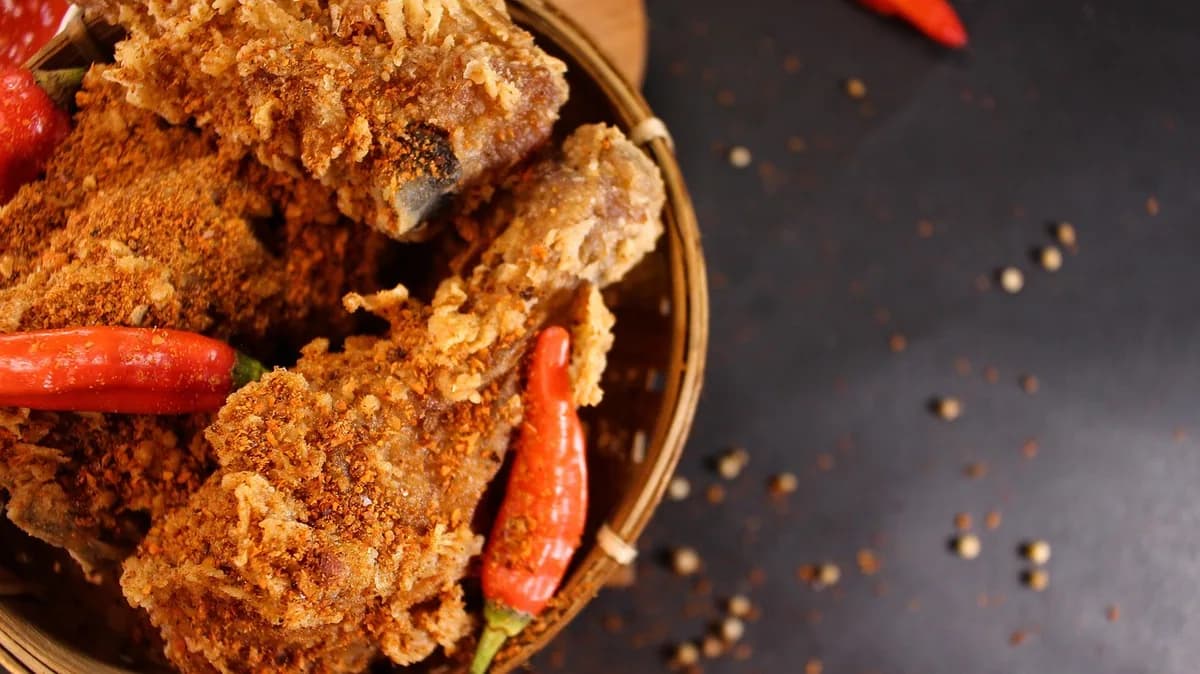
Frango Xadrez: Sabor e Tradição em um Prato Delicioso