
Asiática
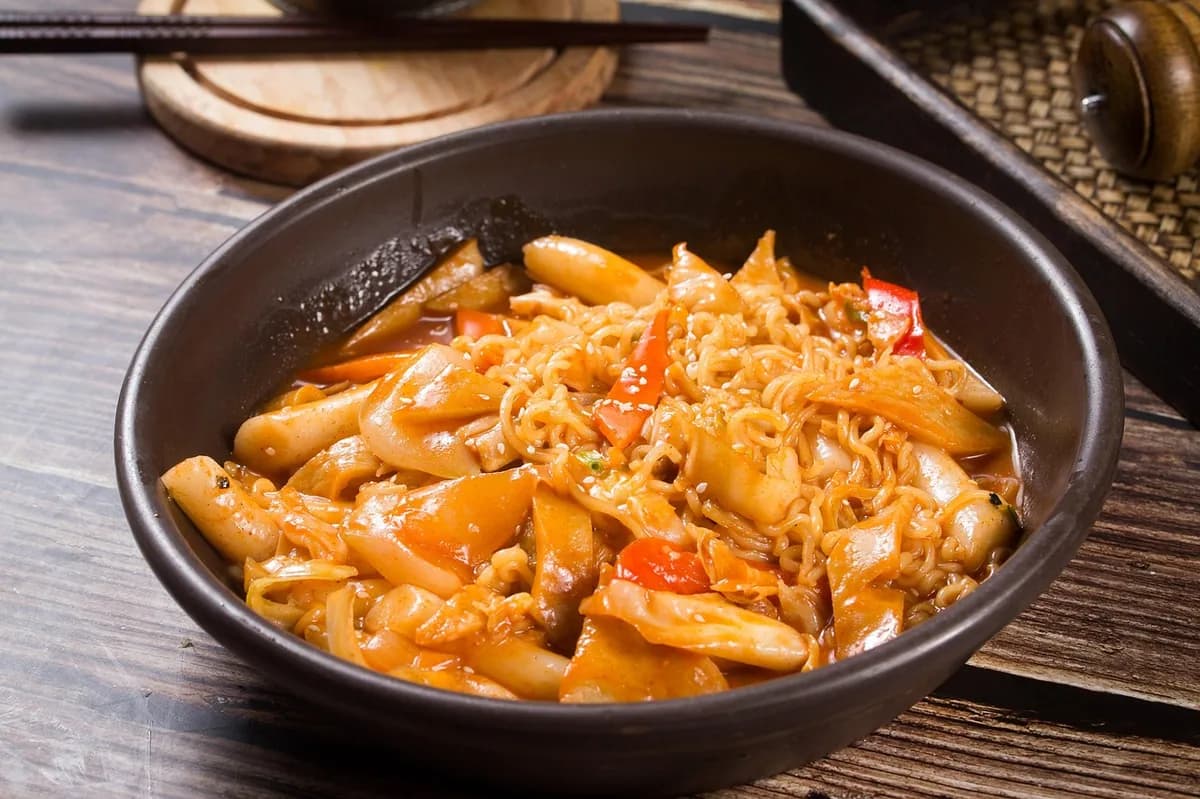
Tteokbokki: O Sabor Picante que Vai Te Conquistar
Tteokbokki: O Sabor Picante que Vai Te Conquistar
30 min
Por
Master Receita Solta
"Traditional Korean dish served in a wide bowl with a base of hot Japanese rice covered by a colorful arrangement of vegetables sautéed separately (carrots, zucchini, and shiitake mushrooms) and strips of beef round in soy sauce. Finished with a soft-boiled egg and gochujang fermented paste."
- Sautéing vegetables separately preserves bright colors, individual aromas, and the crisp bite of each cut. - The quick searing of the beef in soy sauce retains internal moisture without soaking the rice in the bowl. - The soft-yolk egg works as an enriching sauce when mixed with the gochujang chili paste.
Cook the Japanese rice in the rice cooker according to the manufacturer's instructions.
In a skillet, heat a little oil and sauté the meat until browned, add soy sauce and set aside.
In the same skillet, add the vegetables (carrot, zucchini, and mushrooms) and saute for about 5 minutes or until they are soft.
In another pan, fry the eggs one at a time, keeping the yolk runny.
In a bowl, place a portion of rice and add the sautéed vegetables around it.
Place the meat in the center of the bowl, just above the rice.
Add the fried egg on top and finish with Gochujang to taste.
To serve, mix everything before eating.
Encontramos os melhores utensílios e ingredientes para você preparar Delicious Bibimbap: The Korean Recipe You Need to Try com perfeição.
Como Associado Amazon, o Receita Solta recebe por compras qualificadas feitas atraves deste link.
- Dolsot Bibimbap: assemble in a heated iron or stone pot with sesame oil to toast the bottom of the rice. - Vegan Version: exclude the meat and egg, using tofu marinated in soy sauce and bean sprouts. - Bibimbap with Salmon: replace the beef with salmon cubes quickly seared with sesame.
- Beef rump can be replaced with sirloin strips, chicken breast, or grilled tofu cubes. - The gochujang paste can be adapted with sriracha pepper combined with miso and drops of sesame oil. - Shiitake can be replaced by shimeji mushroom or fresh sauteed button mushrooms.
Store the vegetables, rice, and meat in separate containers in the refrigerator for up to three days. Reheat the rice and toppings separately before assembly; fry a new fresh egg with a soft yolk at the moment of consumption.
Do not freeze the assembled dish. The cooked rice and the sautéed beef can be frozen separately for up to sixty days; fresh vegetables lose crunchiness and release water if frozen. Prepare fresh vegetables.
Pair with traditional fermented napa cabbage kimchi, light vegetable broth with green onions, extra raw sesame oil, and barley tea.
Traditionally, everything in the bowl (rice, vegetables, meat, egg, and gochujang paste) is mixed with a spoon before eating.
It is a fermented Korean paste of red pepper, glutinous rice, and soy; is found in oriental grocery stores and Asian emporiums.
Yes, Japanese rice is the traditional one for its compact texture, but common white rice, heated and very loose, works perfectly.
No, the vegetables should be sautéed briefly to be soft on the outside but retain firmness and crunchy texture when chewed.
Tteokbokki: O Sabor Picante que Vai Te Conquistar
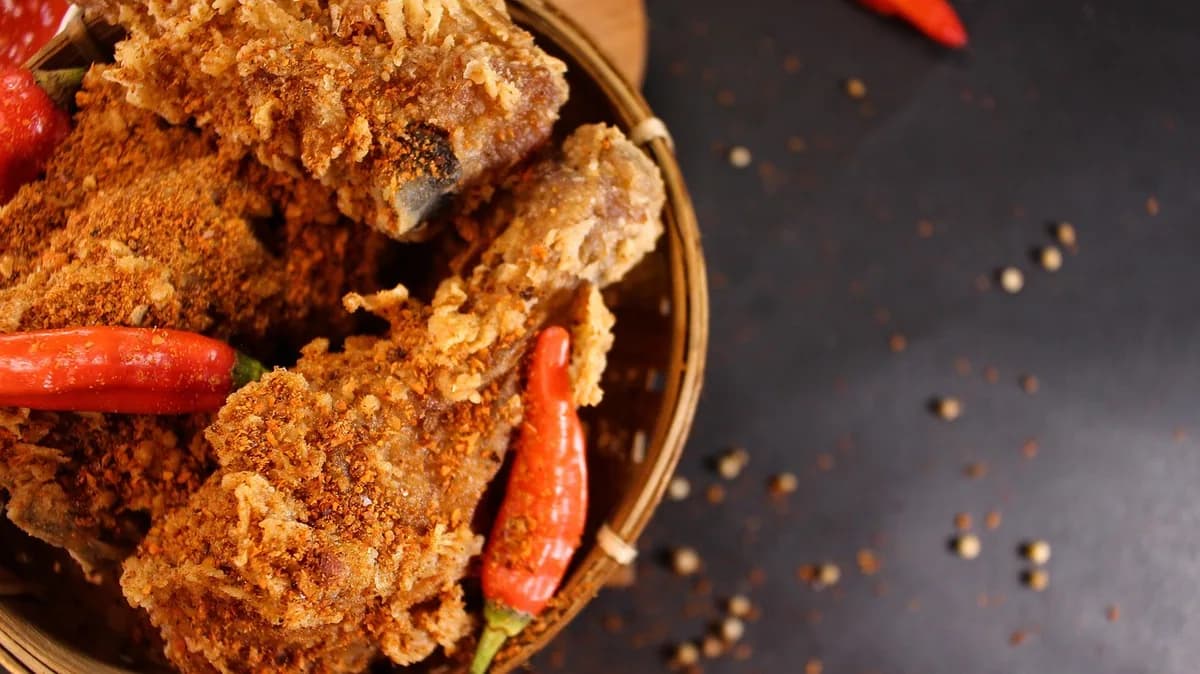
Frango Xadrez: Sabor e Tradição em um Prato Delicioso