
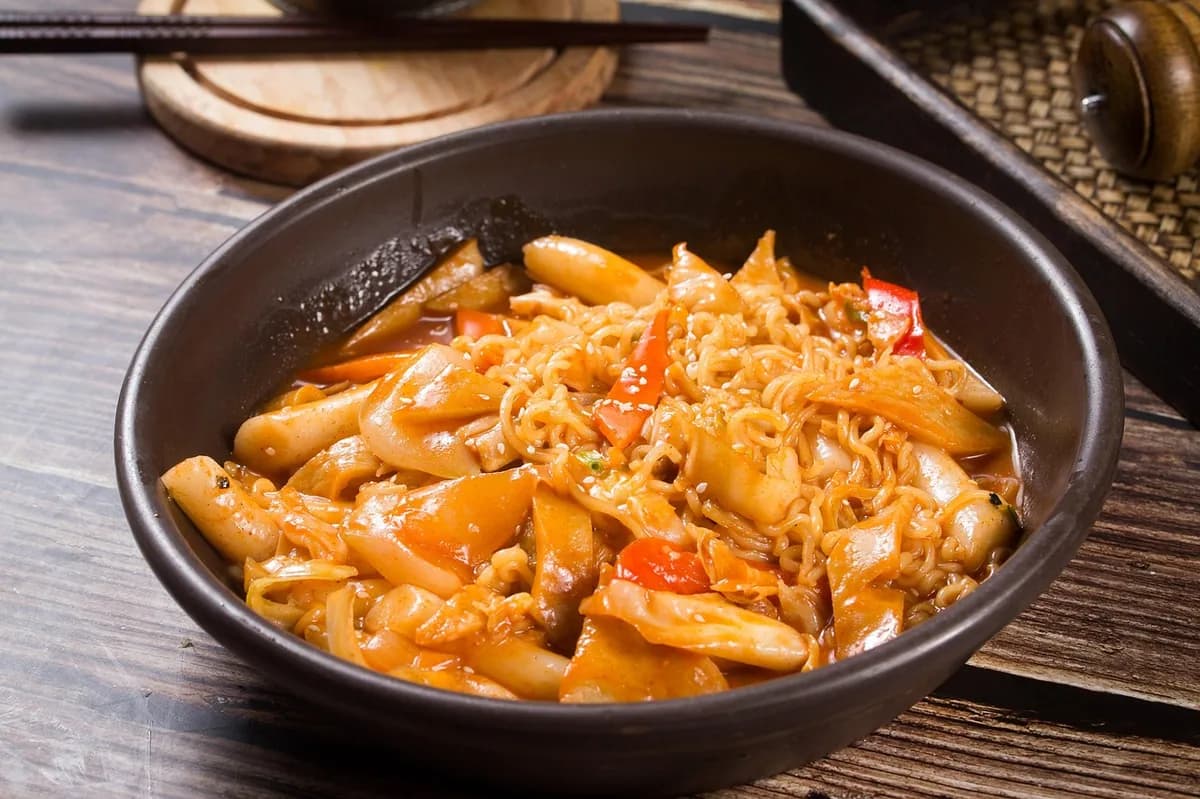
Asiática
Tteokbokki: O Sabor Picante que Vai Te Conquistar
Tteokbokki: O Sabor Picante que Vai Te Conquistar
30 min
Por
Master Receita Solta
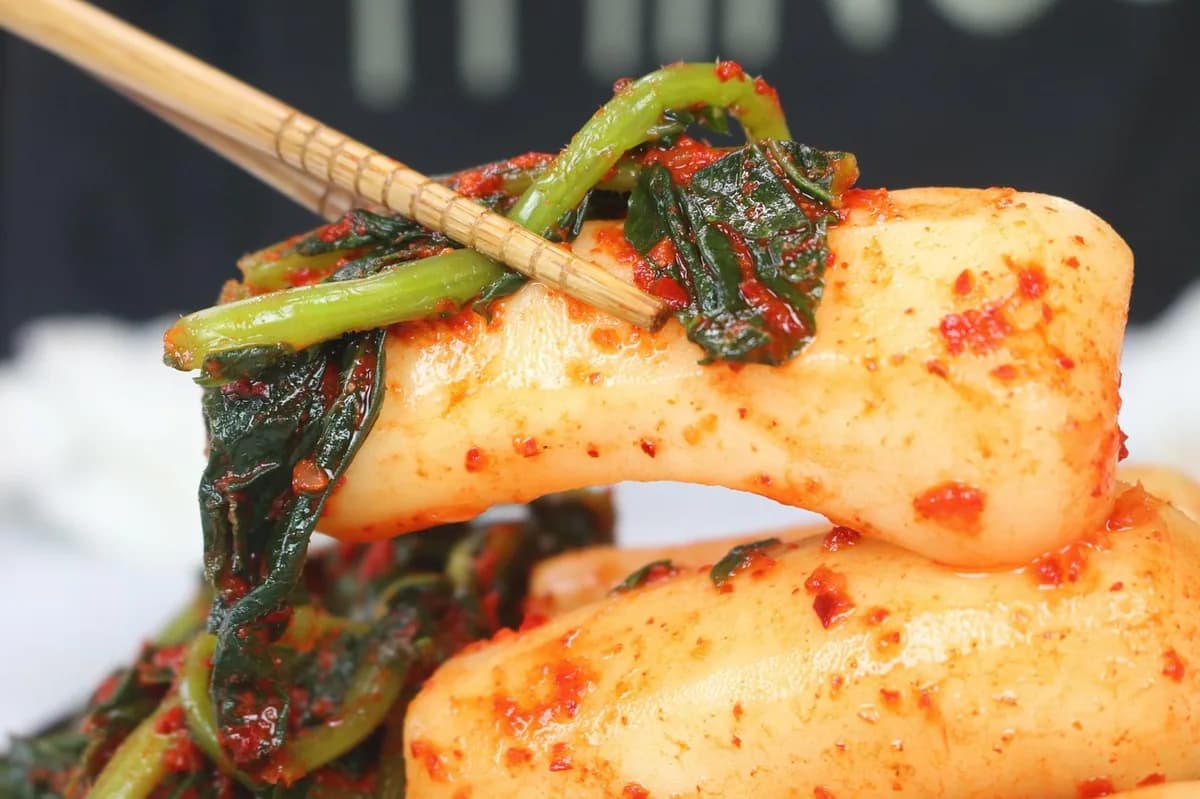
"Substantial and comforting traditional Korean stew made with well-matured kimchi sautéed with pork and onion in hot oil. Cooked in a full-bodied broth seasoned with fermented soybean paste (doenjang) and Korean gochugaru pepper, it gains a deep, acidic, and spicy flavor."
- The aged and acidic kimchi gives the spicy and balanced aromatic identity to the Korean stew. - Browning the pork and onion before the liquids builds the caramelized fat base in the pot. - Fermented soybean paste adds umami complexity that softens and balances the heat of the chili.
In a large pot, heat the oil over medium heat and add the pork, cooking until browned.
Add the onion and saute until it starts to become translucent.
Incorporate the kimchi and stir-fry for 5 more minutes, mixing well.
Add the soybean paste and mix everything for about 2 minutes.
Pour the water and bring to a boil.
When it starts to boil, add the Korean chili powder and mix again.
Let it cook over low heat for about 20 minutes, allowing the flavors to blend.
Taste and adjust the seasoning if necessary.
Encontramos os melhores utensílios e ingredientes para você preparar Delicious Kimchi Jjigae: the Flavor of Korea on Your Table com perfeição.
Como Associado Amazon, o Receita Solta recebe por compras qualificadas feitas atraves deste link.
- Kimchi Jjigae com Atum: substitua a carne suína por atum em pedaços adicionado no meio do cozimento. - Jjigae com Frutos do Mar: junte camarões e anéis de lula nos últimos cinco minutos de fervura branda. - Adição de Tofu e Cogumelos: incorpore fatias de tofu e cogumelos enoki no topo da panela borbulhante.
- Pork can be replaced with firm tofu cubes to make a light and nutritious version. - Doenjang soy paste can be swapped for traditional dark miso without altering the full-bodied profile. - Gochugaru can be replaced by hot paprika mixed with a pinch of red pepper flakes.
Store the stew in an airtight container in the refrigerator for up to five days. The prolonged rest refines the kimchi flavors and makes the broth even denser and balanced. Reheat in the pan until boiling before serving.
Freeze the stew for up to sixty days in a freezer-safe container. When thawing in a pot over low heat, add half a cup of water if the broth is too concentrated. Kimchi maintains good texture.
Serve steaming hot accompanied by bowls of steamed Japanese white rice (bap), boiled or fried eggs, and toasted nori seaweed.
New kimchi does not have enough acidity; aged kimchi generates the acidic and aromatic broth indispensable for authentic Korean soup.
It is a traditional Korean fermented soybean paste similar to miso; adds umami richness and salty depth that rounds out the broth.
Has medium to high spiciness; you can dose or decrease the amount of gochugaru (chili powder) according to your personal tolerance.
Pork belly or pork shoulder with a little fat are the ideal cuts for releasing rich juices during boiling.
Tteokbokki: O Sabor Picante que Vai Te Conquistar
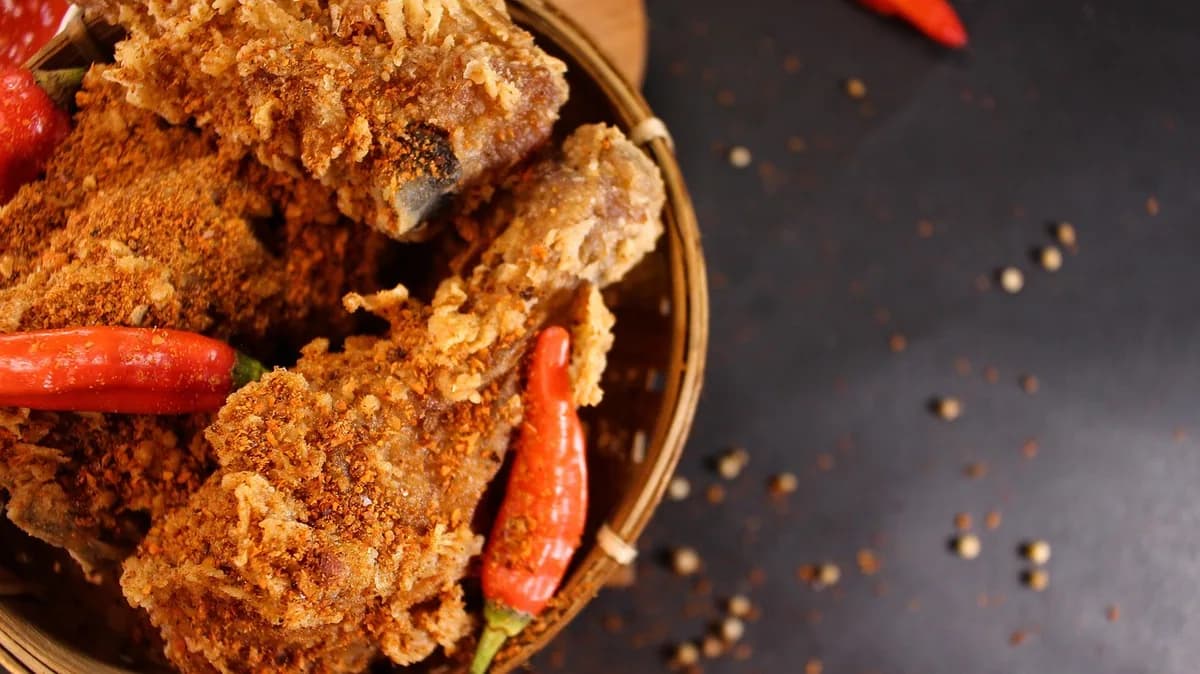
Frango Xadrez: Sabor e Tradição em um Prato Delicioso