

Nordestina
Por
Master Receita Solta
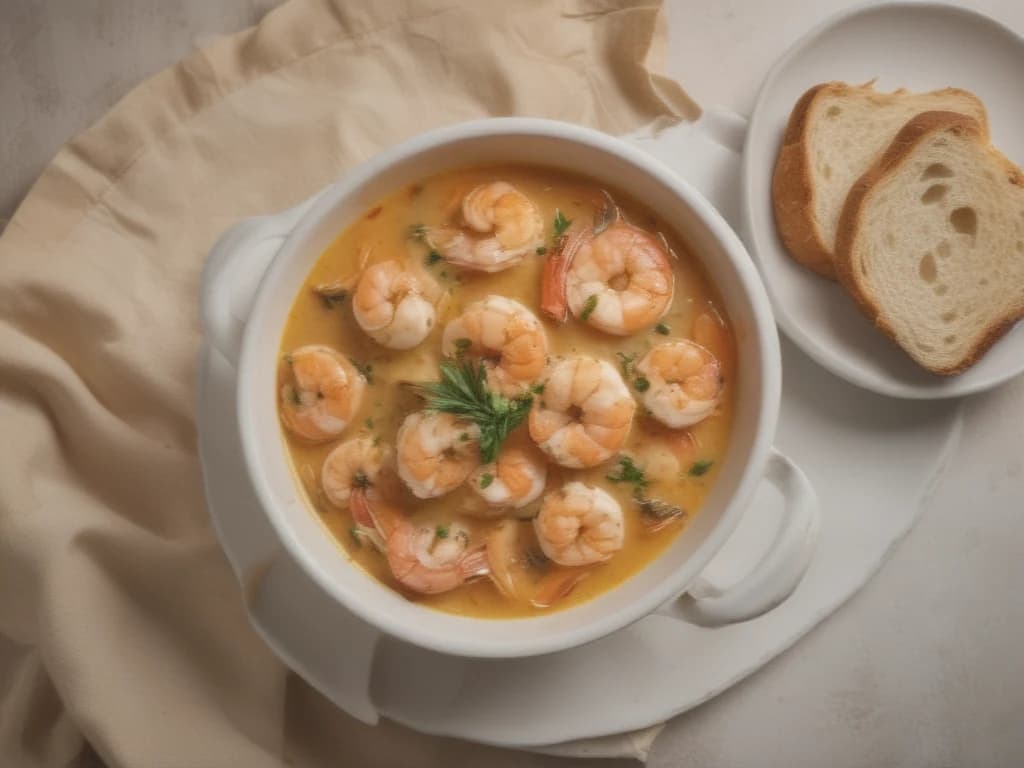
"Rich fish Vatapá with stale French bread, coconut milk, cashew nuts, and dendê oil. A classic of Bahian cuisine with a velvety texture, ideal for serving with rice or as a filling for acarajé."
- O pão amanhecido batido com leite de coco cria a base espessa e estruturada característica do vatapá - As castanhas de caju trituradas agregam untuosidade, corpo e crocância sutil ao creme - O azeite de dendê confere a tonalidade alaranjada vibrante e o aroma marcante da culinária baiana
In a pan, heat the palm oil and sauté the onion and garlic until golden.
Add the chopped fish and cook for a few minutes until almost cooked through.
Place the breads in the blender and add the coconut milk, beating until a homogeneous mixture is formed.
Pour the bread mixture into the pan with the fish and mix well.
Add the chopped nuts and mix again, adjusting the salt and pepper.
Cook over low heat for 10 more minutes, stirring constantly so it doesn't stick.
Finish by adding the chopped cilantro and mixing well.
Serve hot with white rice or as a side for Acaraje.
Encontramos os melhores utensílios e ingredientes para você preparar Delicious Vatapá: The Taste of Bahia on your Table com perfeição.
Como Associado Amazon, o Receita Solta recebe por compras qualificadas feitas atraves deste link.
- Adicione camarões secos defumados e dessalgados junto com o peixe para aprofundar o sabor regional - Inclua um pedaço pequeno de gengibre ralado durante o refogado da cebola e alho para um toque picante refrescante - Adicione pimenta-de-cheiro picadinha sem sementes para aroma intenso sem elevar a ardência
- A tilápia ou merluza pode ser substituída por filé de pescada branca ou cação - A castanha de caju pode ser substituída por amendoim torrado sem casca e sem sal ou uma mistura meio a meio - O pão francês pode ser trocado por farinha de trigo ou farinha de arroz para uma versão alternativa
Mantenha o vatapá em pote hermético na geladeira por até 3 dias. Ao reaquecer, adicione 2 colheres de sopa de leite de coco ou água, pois o creme tende a engrossar quando frio.
Can be frozen in a closed container for up to 2 months. To reheat after thawing in the refrigerator, place in a pan over low heat stirring constantly to re-emulsify the oils and the base.
Serve with loose white rice, black-eyed peas, or serve inside fresh acarajés. Malagueta pepper sauce and tomato vinaigrette with cilantro go well with the dish.
Stale bread has a lower moisture content and absorbs coconut milk better, ensuring a creamy consistency without clumping.
Just add a little more warm coconut milk or water little by little, stirring until reaching the desired cream point.
Yes, fresh homemade concentrated coconut milk works perfectly and offers an even more authentic flavor.
Keep the heat always low and cook stirring constantly to keep the emulsion stable between the bread, the liquids, and the olive oil.
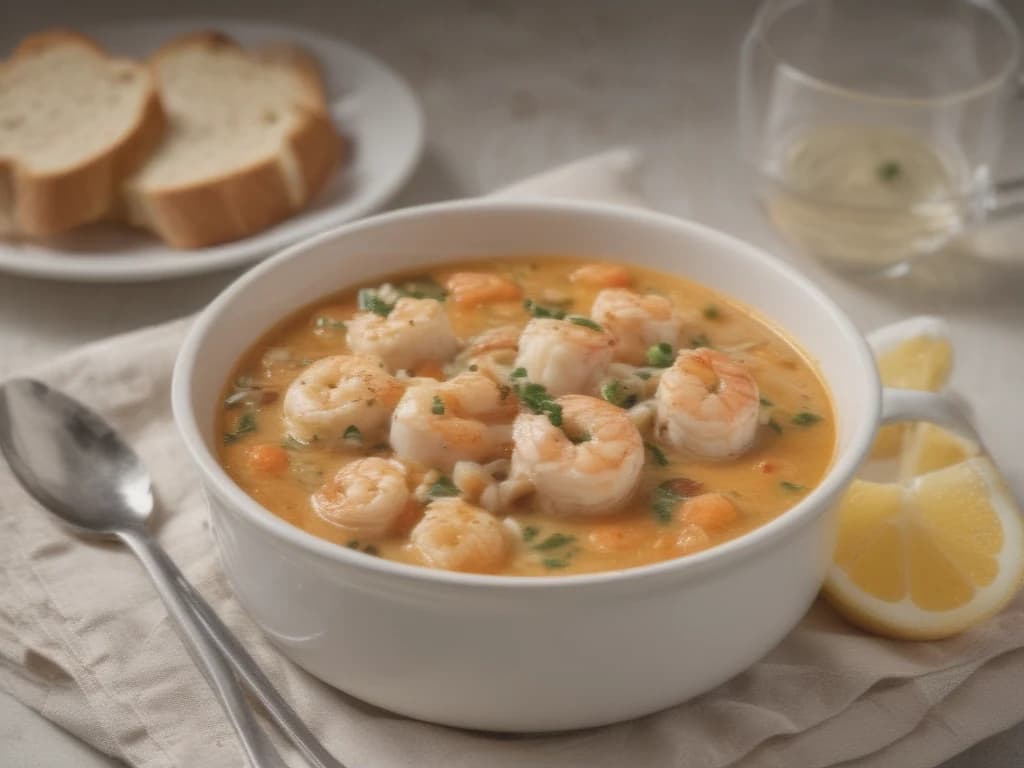

Um ícone da culinária afro-brasileira, o Vatapá é um prato envolvente que celebra a Bahia em cada colherada. Esta receita detalhada garante um resultado autêntico e inesquecível, transformando sua cozinha em um pedaço do Nordeste.