
Asiática
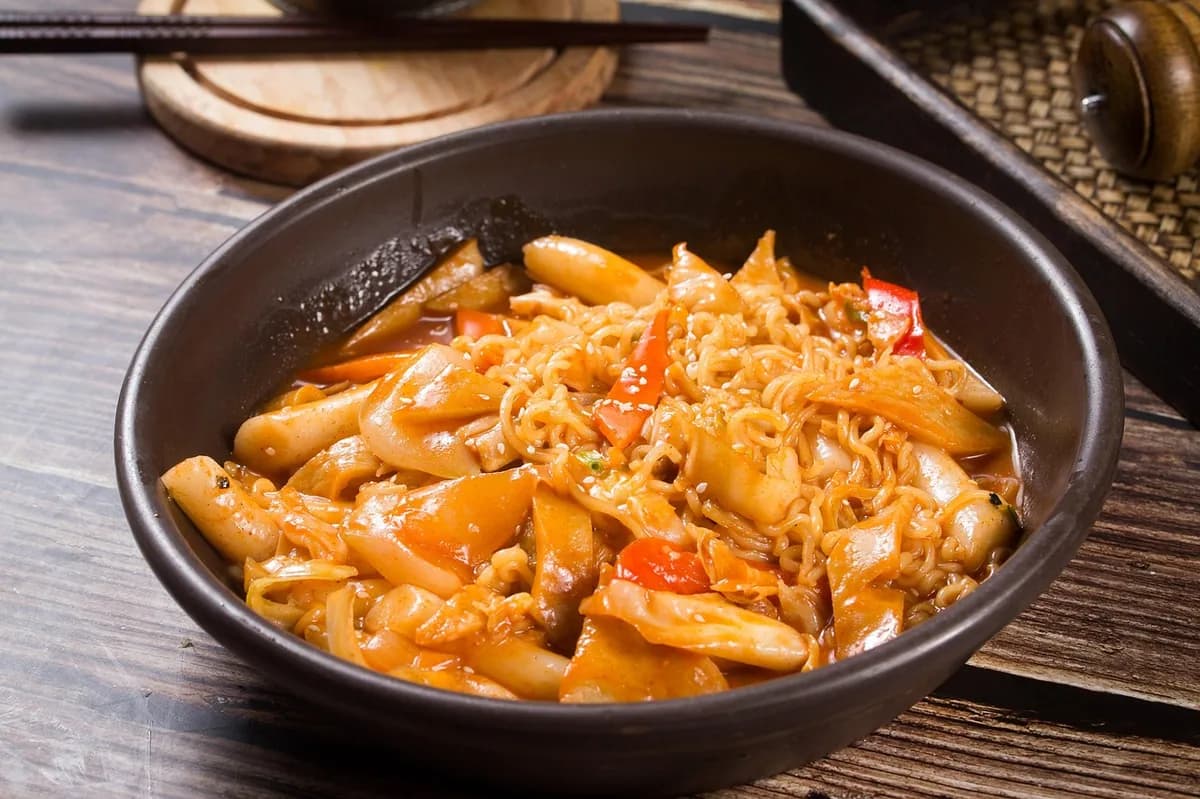
Tteokbokki: O Sabor Picante que Vai Te Conquistar
Tteokbokki: O Sabor Picante que Vai Te Conquistar
30 min
A surprising fusion of Asian flavors and the familiarity of your favorite meal, ready in record time.
Por
Equipe Receita Solta

"A tasty express Thai-style stir-fry of wide rice noodles with granulated vegetable protein in a rich red curry and coconut milk sauce. Finished with crunchy bell pepper, ginger, and lime juice."
The wide rice noodles are just hydrated in hot water off the heat to maintain the al dente bite in the wok. - Toasting the red curry paste in hot coconut oil releases its aromatic oils and intensifies the flavor. - Whole coconut milk cooked with soy sauce and brown sugar creates the classic Thai sweet, sour, and spicy balance.
<strong>Initial Preparation:</strong> Hydrate the rice noodles according to the package instructions. Generally, just let it soak in hot water for 5-8 minutes until al dente. Drain well and set aside. If using textured soy protein, hydrate it in hot water, drain, and squeeze out the excess liquid.
<strong>Aromatic Sauté:</strong> Heat the coconut oil in a large skillet or wok over medium heat. Add the chopped onion and sauté for 3-4 minutes until translucent. Add the garlic and grated ginger, cooking for another 1 minute until fragrant. The professional technique is not to burn these aromatics.
<strong>Sabor Tailandês:</strong> Adicione a pasta de curry vermelho à panela e refogue por 1-2 minutos, mexendo sempre. O segredo desta receita é tostar a pasta de curry; isso libera seus óleos essenciais e aprofunda o sabor do molho.
<strong>Base da "Bolo":</strong> Junte a proteína vegetal hidratada e o pimentão vermelho picado. Refogue por 3-5 minutos, quebrando a proteína com a colher e misturando bem com a pasta de curry. Isso garante que cada pedacinho absorva o tempero.
<strong>Molho Cremoso:</strong> Despeje o leite de coco, o molho de soja e o açúcar mascavo. Misture tudo e deixe ferver suavemente. Reduza o fogo para médio-baixo e cozinhe por 5-7 minutos, ou até o molho encorpar levemente. Adicione o caldo de legumes se preferir um molho mais fluido.
<strong>Finishing and Adjustments:</strong> Remove from the heat and incorporate the lemon juice. Taste and adjust the salt, pepper, and heat, if necessary. The most important tip is to always taste and balance the flavors to achieve perfection.
<strong>Serving:</strong> Add the drained rice noodles directly to the pot with the sauce and mix gently to coat all the strands. Serve immediately in deep plates, garnishing with chopped fresh cilantro and lemon slices. Optionally, garnish with fresh pepper slices for an extra touch of heat.
Encontramos os melhores utensílios e ingredientes para você preparar Express Vegan Thai Cake: Taste of Asia in 25 Minutes com perfeição.
Como Associado Amazon, o Receita Solta recebe por compras qualificadas feitas atraves deste link.
- Adicione broto de feijão fresco (moyashi) e amendoim torrado picado por cima na hora de servir. - Incorpore floretes pequenos de brócolis ou vagens picadas junto ao refogado de pimentão vermelho. - Acrescente folhas frescas de manjericão tailandês ou comum nos últimos 30 segundos de frigideira.
- Granulated vegetable soy protein can be swapped for chopped fresh mushrooms (like eryngii or shimeji) or pressed tofu. - The wide Pad Thai-style noodles can be swapped for thin rice noodles (vermicelli) or vegan ramen noodles. - The Thai red curry paste can be replaced by yellow curry paste for less heat.
Store in a closed container in the refrigerator for up to 3 days. To reheat while maintaining the moisture of the noodles, place in the skillet with 2 tablespoons of water over medium heat, stirring quickly.
Freezing the ready-made dish with rice noodles is not indicated, as the noodle absorbs liquid in the freezer and falls apart into mushy pieces when thawed.
Pairs with Thai iced tea with plant-based milk, fresh rice paper spring rolls, or mild beer.
Hydrate the rice noodles for 5 to 8 minutes in warm water until flexible, rinse in cold water, and add to the wok only in the final minutes to coat in the sauce.
Traditional Thai pastes contain considerable pepper; if you are sensitive to spiciness, start by using only 1 tablespoon and adjust to taste.
Hydrate the soy in boiling water with a tablespoon of lemon juice or vinegar, rinse under running water, and squeeze completely in a clean cloth before sautéing with the garlic and ginger.
Yes, if you do not follow a strict vegetarian diet, replace the soy sauce with 1 tablespoon of authentic nam pla to add deep salty umami.
Tteokbokki: O Sabor Picante que Vai Te Conquistar

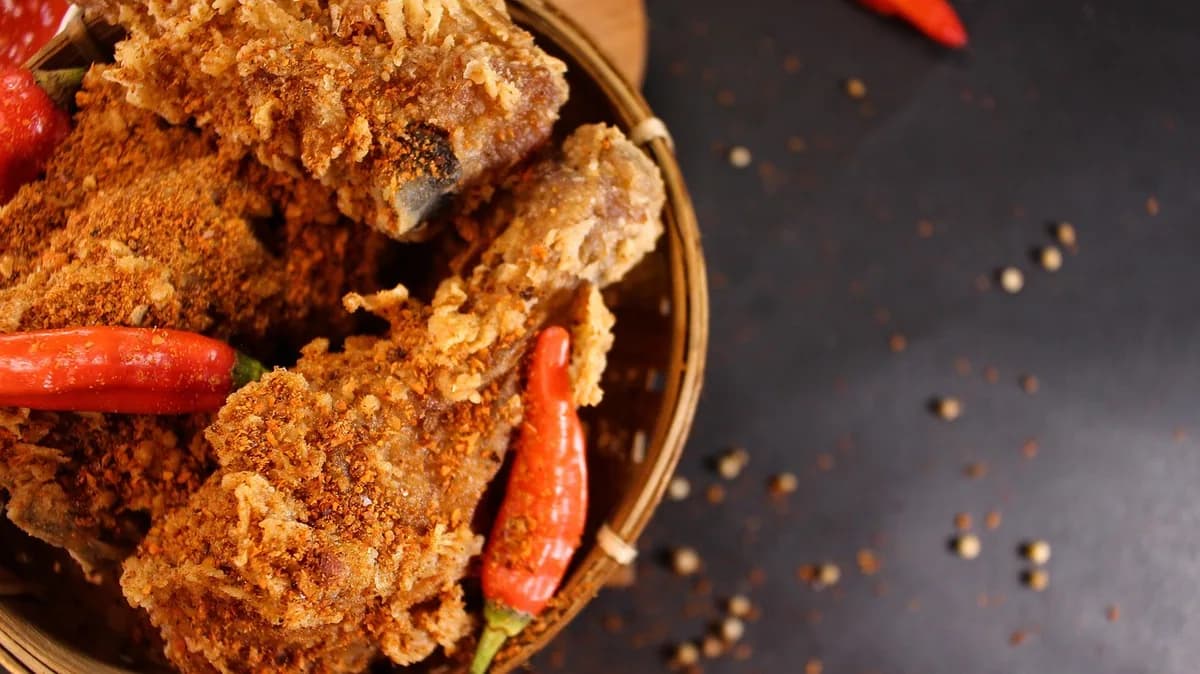
Frango Xadrez: Sabor e Tradição em um Prato Delicioso