
Asiática
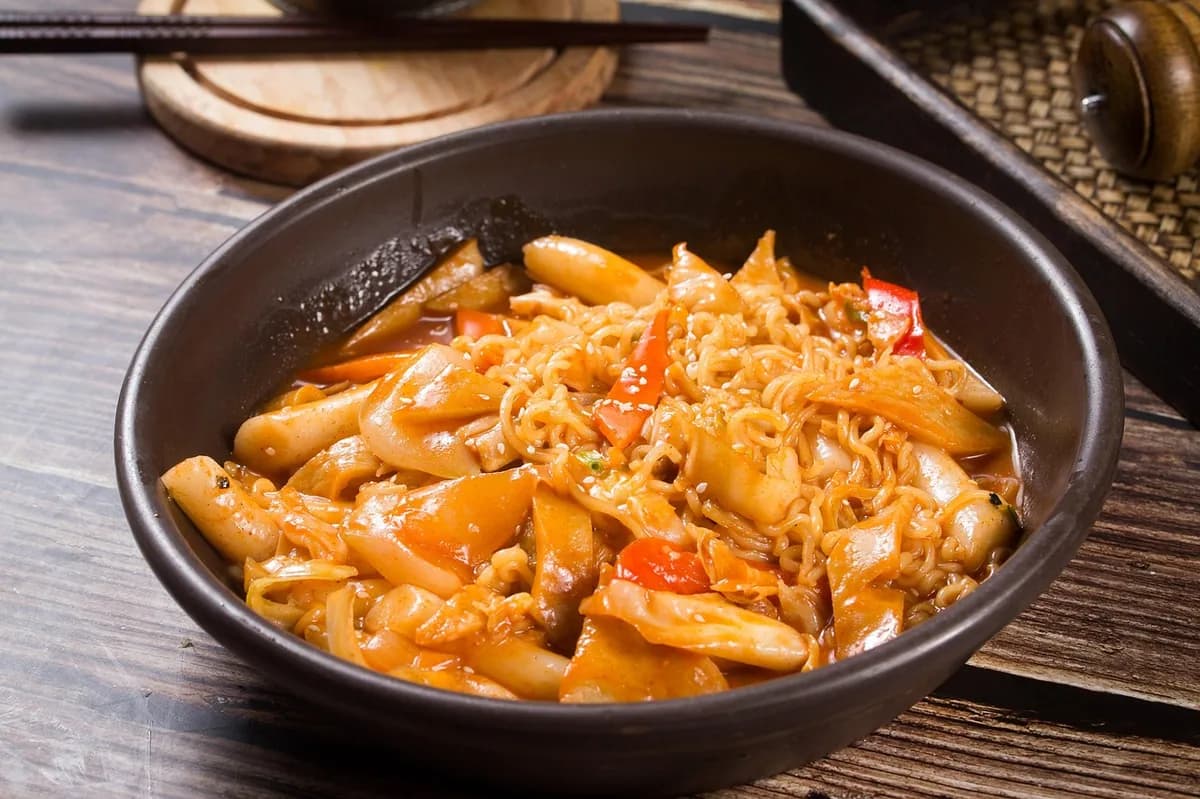
Tteokbokki: O Sabor Picante que Vai Te Conquistar
Tteokbokki: O Sabor Picante que Vai Te Conquistar
30 min
Por
Master Receita Solta
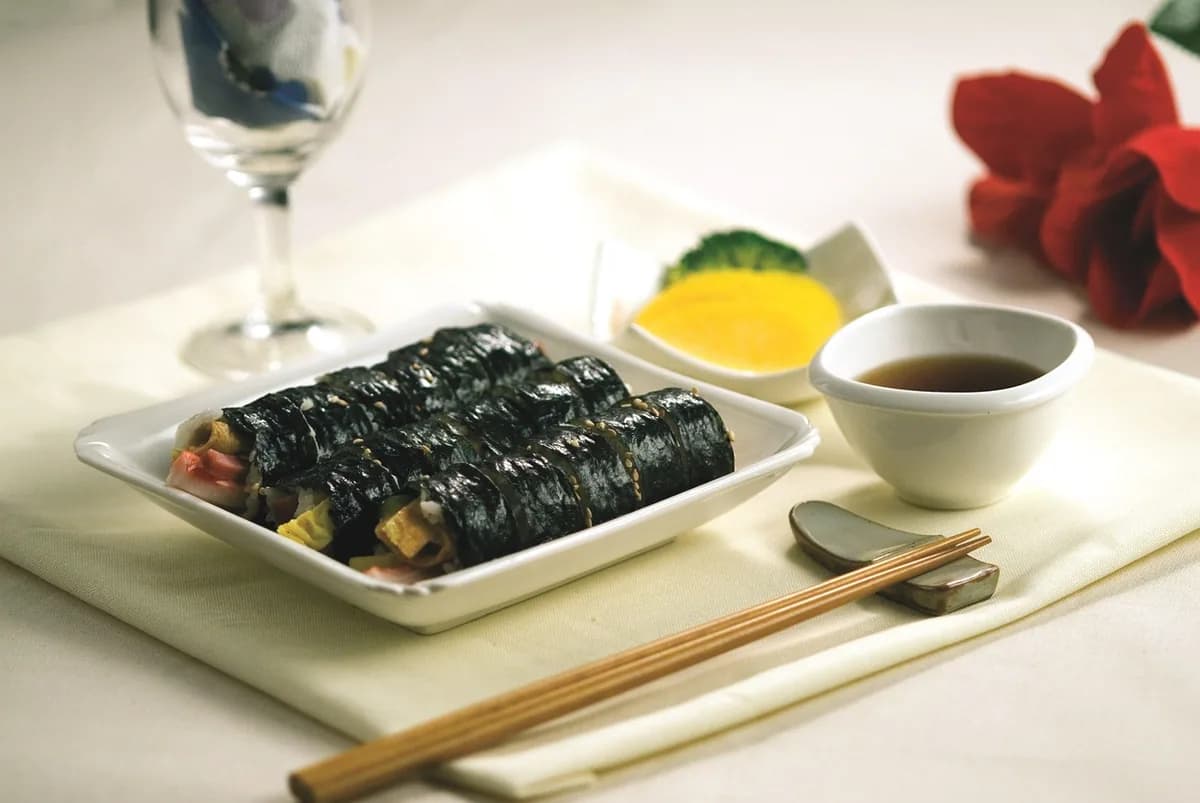
"Traditional Korean kitchen roll prepared with toasted nori seaweed sheets wrapping seasoned Japanese rice with aromatic sesame paste and oil. Stuffed with thin strips of carrot and cucumber and shredded meat, it is rolled on the mat and sliced into perfect rounds for picnics and snacks."
- O tempero do arroz com óleo e pasta de gergelim é a assinatura aromática que diferencia o kimbap do sushi tradicional. - Deixar dois centímetros livres no topo do nori garante vedação perfeita e firmeza ao enrolar com a esteira. - Fatiar o rolo com faca umedecida em água e óleo produz rodelas limpas e preserva o desenho do recheio.
Start by cooking the rice in the pot with an adequate amount of water, following the package instructions.
Meanwhile, prepare the vegetables by cutting the carrot and cucumber into thin strips.
When the rice is ready, let it cool and add the sesame paste and sesame oil, mixing well.
On the sushi mat, place a sheet of nori with the shiny side down.
Spread an even layer of rice over the nori sheet, leaving a 2 cm border at the top.
Add the carrot, cucumber, and shredded meat to the center of the rice.
Carefully roll the mat, pressing gently to form a very tight cylinder.
Repita o processo com as folhas restantes de nori e o recheio.
Use uma faca afiada para cortar o rolo de Kimbap em pedaços de aproximadamente 2 cm.
Serve with soy sauce or hot sauce, if desired.
Encontramos os melhores utensílios e ingredientes para você preparar Kimbap: The Traditional Korean Recipe You Need to Know com perfeição.
Como Associado Amazon, o Receita Solta recebe por compras qualificadas feitas atraves deste link.
- Kimbap Vegetariano: componha o recheio com espinafre salteado, cenoura, tiras de tofu grelhado e rabanete. - Kimbap de Atum Picante: incorpore atum misturado com maionese e pasta gochujang no centro do arroz. - Kimbap Frito: passe os rolinhos cortados em ovo batido e doure rapidamente na frigideira quente.
- The cooked meat can be swapped for strips of rolled omelet, tuna with mayonnaise, or thin slices of ham. - Tahini can be substituted with toasted ground sesame seeds in the same proportion. - Fresh cucumber can be replaced by Korean sweet and sour pickled yellow radish danmuji.
O kimbap fatiado deve ser consumido de preferência no próprio dia para preservar a textura do arroz. Sobras podem ficar na geladeira por até vinte e quatro horas bem envolvidas em filme plástico; aqueça levemente para amaciar o arroz.
It is not recommended to freeze ready-made kimbap, as the Japanese rice crystallizes and crumbles upon thawing, and the vegetables release water that softens the nori. Prepare the ideal amount for consumption on the same day.
Harmonize with soy sauce seasoned with drops of lemon, pickled yellow radish (danmuji), light miso soup, and hot green tea.
Kimbap is seasoned with sesame oil and filled with cooked meats and vegetables; sushi uses rice vinegar and prioritizes raw fish.
Press firmly with the mat when rolling and use an extremely sharp and damp knife, cutting in smooth back-and-forth motions without crushing.
It should be warm; if it is too hot it burns and softens the nori seaweed, and if it is cold it becomes hard and difficult to spread.
The carrot can be quickly sautéed to soften; cucumber is usually used raw and drained to ensure fresh crunchiness.
Tteokbokki: O Sabor Picante que Vai Te Conquistar

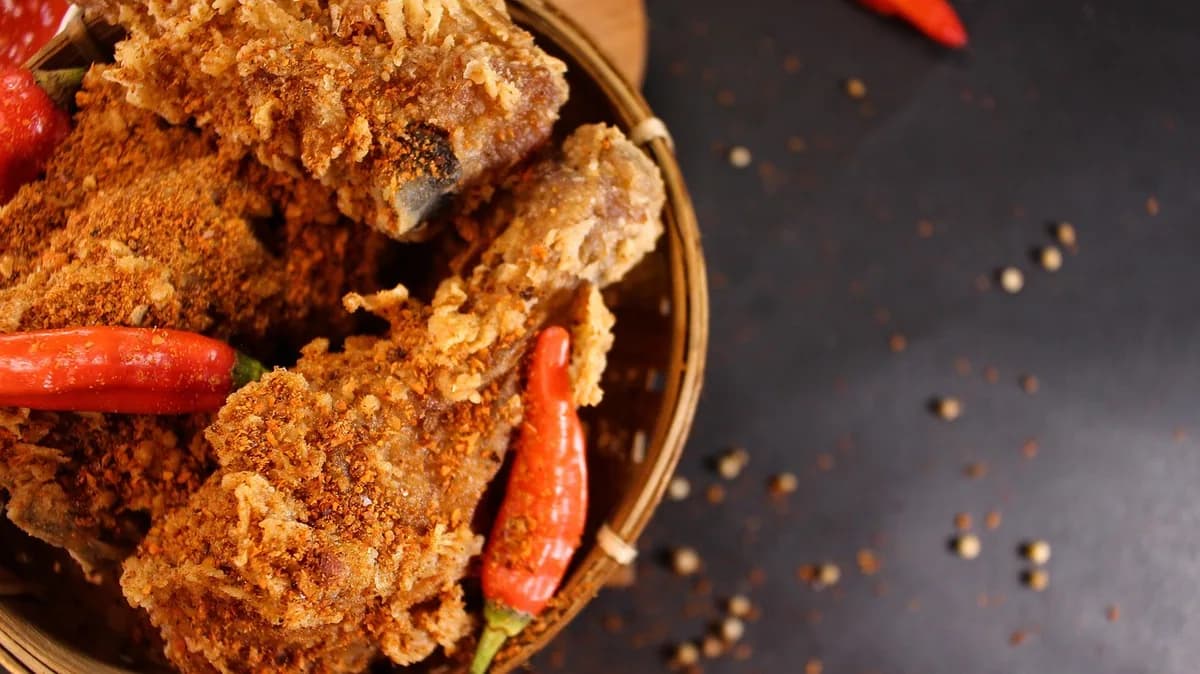
Frango Xadrez: Sabor e Tradição em um Prato Delicioso