
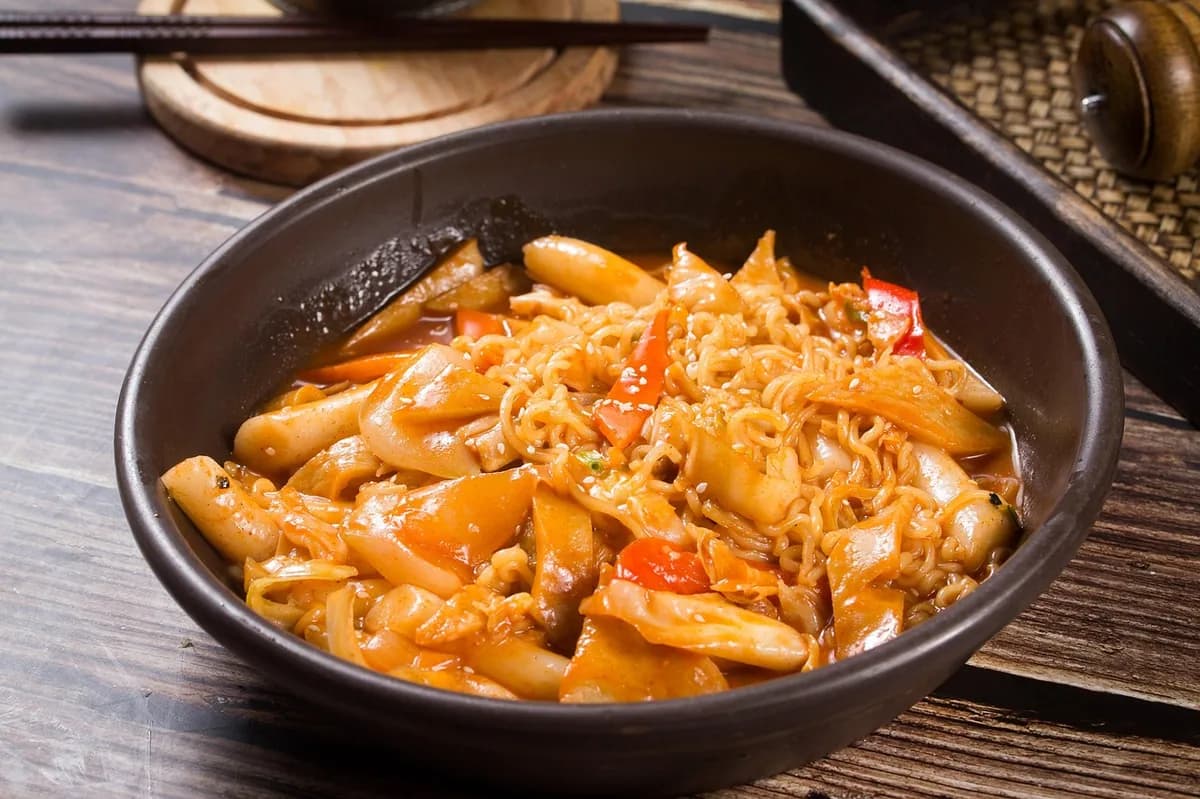
Asiática
Tteokbokki: O Sabor Picante que Vai Te Conquistar
Tteokbokki: O Sabor Picante que Vai Te Conquistar
30 min
Por
Master Receita Solta
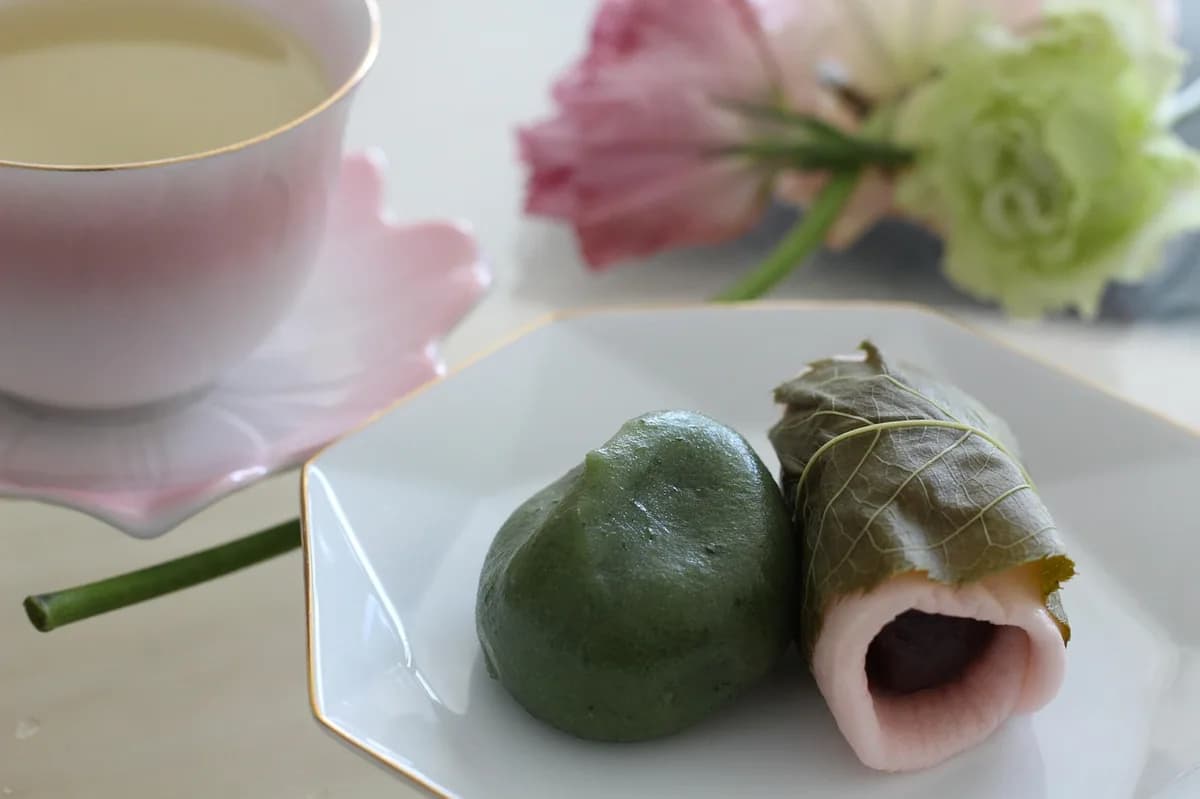
"Traditional Japanese rice cake with a soft, chewy texture, prepared by slowly cooking glutinous rice with sugar, shaped over cornstarch, and filled with classic fillings like azuki bean paste."
- A hidratação prévia de oito horas do arroz glutinoso assegura o rompimento uniforme das moléculas de amilopectina. - A cocção em fogo brando com agitação constante transforma os grãos em uma massa translúcida altamente gomosa. - O amido de milho espalhado na bancada impede a aderência extrema da massa nas mãos durante a modelagem das peças.
Start by washing the glutinous rice well until the water runs clear.
Soak the rice for at least 8 hours or overnight.
Drain the rice and place in the pot with the water. Cook over low heat, stirring constantly.
When the mixture starts to thicken, add the sugar and continue stirring.
Despeje a massa em uma forma polvilhada com amido de milho e alise a superfície.
Let cool for about 30 minutes until firm to the touch.
Once cold, cut into squares or circles.
Place the desired filling in each piece and mold them again, forming dumplings.
Polvilhe com amido de milho para evitar que grudem.
Serve at room temperature or chilled!
Encontramos os melhores utensílios e ingredientes para você preparar Mochi: The Japanese Delight that Arrived in Brazil com perfeição.
Como Associado Amazon, o Receita Solta recebe por compras qualificadas feitas atraves deste link.
- Mix a teaspoon of matcha powder into the dough during cooking to give it a vivid green color and herbaceous notes. - Fill the center with a whole fresh strawberry wrapped in a thin layer of anko to prepare the classic ichigo daifuku. - Add beet zest or drops of natural food coloring to the cooking water to produce festive pink mochis.
- Glutinous rice grains can be replaced with mochiko-type glutinous rice flour cooked with water in a steamer. - The azuki bean paste can be replaced by consistent traditional Brazilian brigadeiro or chocolate ganache. - Cornstarch for dusting can be swapped for Japanese potato starch (katakuriko) with equal efficiency.
Store the mochis in a sealed airtight container at cool room temperature for up to twenty-four hours. In the refrigerator, they harden quickly; if refrigerated, consume within two days by heating for fifteen seconds in the microwave.
Freeze the dumplings individually separated on a baking sheet sprinkled with starch for two hours, then store in a sealed bag for up to thirty days. Thaw at room temperature for forty minutes before serving.
Harmonizes elegantly alongside a hot cup of Japanese sencha green tea, toasted genmaicha rice infusion, cold mugicha barley tea, or thin slices of Asian pear to cleanse the palate of the filling's density.
Glutinous rice retrogrades and hardens with cold; keep at room temperature or soften slightly with gentle steam.
No, regular rice has a high amylose ratio and does not develop the elastic, sticky texture of glutinous rice.
Keep your hands and the work surface generously floured with cornstarch or potato starch during handling.
Can be enjoyed warm right after shaping, at which point it presents maximum elasticity and pronounced softness.
Tteokbokki: O Sabor Picante que Vai Te Conquistar

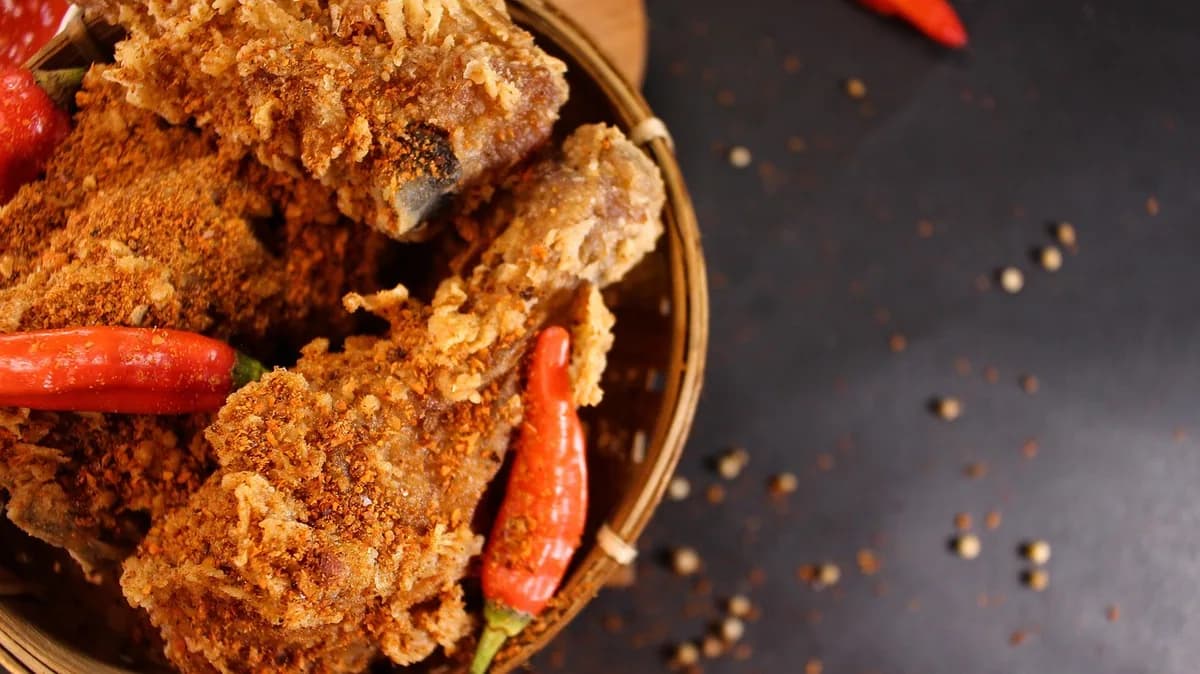
Frango Xadrez: Sabor e Tradição em um Prato Delicioso