
Asiática
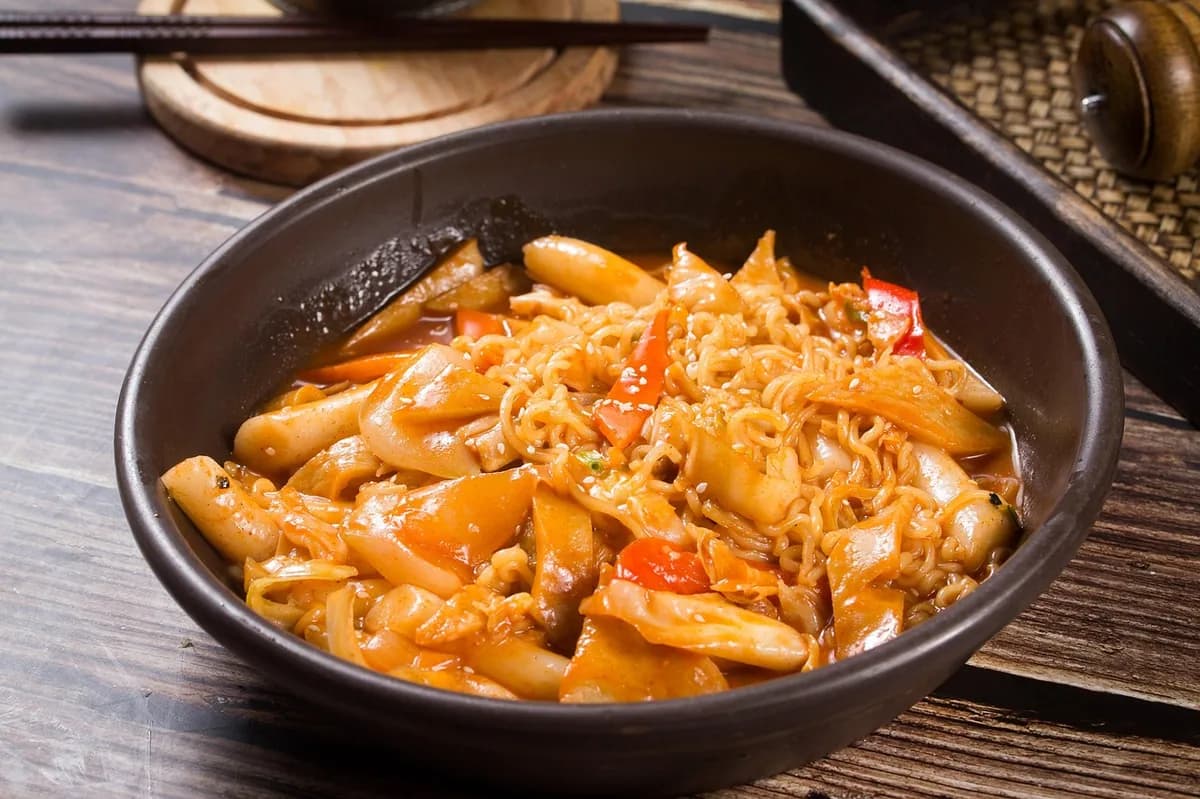
Tteokbokki: O Sabor Picante que Vai Te Conquistar
Tteokbokki: O Sabor Picante que Vai Te Conquistar
30 min
The authentic taste of your favorite restaurant, now ready in the freezer, for an irresistible meal at any time.
Por
Equipe Receita Solta

"Pad Thai is Thailand's most iconic street food dish, combining stir-fried rice noodles with shrimp or chicken, scrambled eggs, tofu cubes, and bean sprouts. The balanced sauce between the acidity of the tamarind, the saltiness of the fish sauce, and the sweetness of the palm sugar gives a unique and enveloping aromatic profile."
- Hydrating the rice noodles in warm water until pliable but firm prevents the strands from breaking apart during the wok fry. - The extremely high temperature of the wok skillet is fundamental to quickly sear the proteins and create the characteristic smoky aroma. - The precise proportion between tamarind, fish sauce, and palm sugar reproduces the authentic sweet and sour matrix of Thai cuisine.
First, prepare the rice noodles. Soak the noodles in warm or hot water according to the package instructions until pliable but still firm (<em>al dente</em>). Drain well and set aside. The secret to this recipe is not to overcook it in this initial stage.
In a small bowl, combine all the secret sauce ingredients: tamarind paste, palm sugar, fish sauce, soy sauce, and water. Mix well until the sugar dissolves. If necessary, microwave for 15 seconds to help with dissolution.
Heat the vegetable oil in a wok or large skillet over high heat. The professional technique is to ensure the pan is very hot. Add the chopped garlic and tofu (if using) and sauté for about 1 minute until fragrant and lightly golden.
Add the shrimp or chicken to the wok and cook for 2-3 minutes, until the protein is almost cooked. Push the protein to one side of the pan, creating an empty space in the center. Break the eggs directly into this space and stir them quickly until they coagulate.
Mix the scrambled eggs with the protein and garlic. Add the rehydrated rice noodles to the wok. Pour the Pad Thai sauce over the noodles and mix vigorously, ensuring the sauce covers all noodles and ingredients evenly.
Finally, incorporate the bean sprouts (the portion for sauteing) and the chopped green onions. Stir for another 1-2 minutes, just until the sprouts are slightly soft but still crunchy. The most important tip is not to overcook the vegetables to maintain the texture.
Remove the Pad Thai from the heat immediately. Serve on individual plates, garnishing with chopped roasted peanuts, fresh bean sprouts, lemon wedges, and fresh cilantro. Add fresh or flaked pepper to taste for those who enjoy an extra touch of heat.
Encontramos os melhores utensílios e ingredientes para você preparar My Freezable Pad Thai: Thai Perfection at Home com perfeição.
Como Associado Amazon, o Receita Solta recebe por compras qualificadas feitas atraves deste link.
- Prepare a vegan version by removing the shrimp and eggs, doubling the amount of pressed firm tofu, and using soy sauce in the sauce. - Add chopped fresh chili pepper or red pepper flakes to the saute to elevate the traditional Asian spiciness. - Replace green onions with thin slices of Chinese chives (nira) to introduce a mild fresh garlic aroma.
- The tamarind paste can be substituted with lemon juice mixed with a touch of rice vinegar if you can't find pure tamarind. - Fish sauce (nam pla) can be replaced by traditional soy sauce mixed with a pinch of fine sea salt. - Fresh shrimp can be substituted with thin strips of chicken breast, pork loin, or sautéed shiitake mushrooms.
Store the portions in an airtight container in the refrigerator for up to 3 days. Reheat quickly in a very hot skillet with a tablespoon of water to return elasticity to the rice strands without drying out the proteins.
Can be frozen in freezer-safe containers for up to 2 months; to maintain the texture of the pasta, freeze the strands well al dente. Thaw in the refrigerator for 12 hours and sauté in a wok over high heat for 3 minutes before finishing with fresh peanuts.
Harmonizes perfectly with refreshing light lager-type beers, spiced iced Thai tea, or natural cold coconut water. Serve with extra fresh bean sprouts and fresh cilantro sprigs arranged around.
Boiling the rice noodles makes them too soft; hydration in warm water preserves the texture for frying in the wok.
Sim, o açúcar mascavo ou demerara pode ser usado na mesma proporção, fornecendo notas caramelizadas semelhantes.
Add the liquid sauce directly over the hydrated noodles in the very hot pan and stir vigorously without interruption.
Yes, press the block of tofu in paper towels with a weight for 20 minutes to remove water and make it firm for browning in oil.
Tteokbokki: O Sabor Picante que Vai Te Conquistar
Frango Xadrez: Sabor e Tradição em um Prato Delicioso