
Asiática
Tteokbokki: O Sabor Picante que Vai Te Conquistar
Tteokbokki: O Sabor Picante que Vai Te Conquistar
30 min
Por
Master Receita Solta
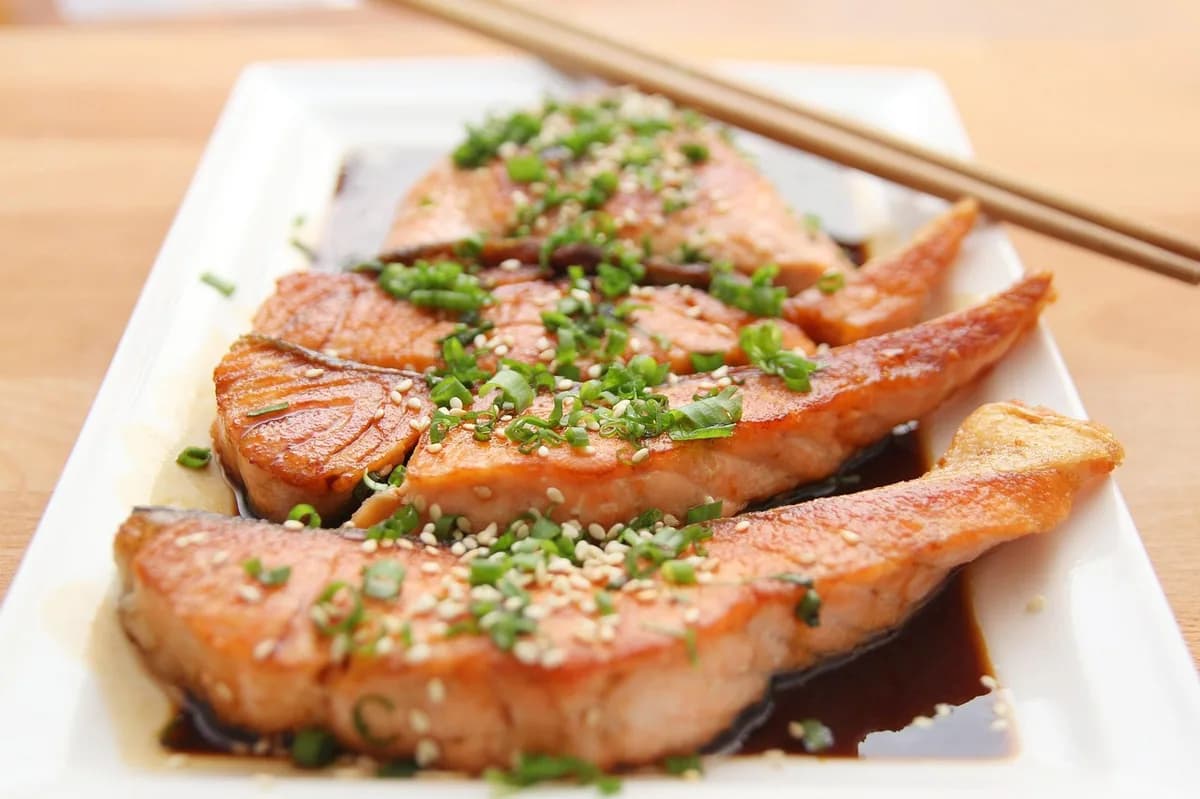
"Traditional Japanese dish with chicken breast fillets grilled in sesame oil and caramelized in a shiny sauce of soy sauce, honey, cooking sake, fresh ginger, and golden garlic. The slow reduction of the sauce creates a viscous and aromatic coating that envelops the tender meat served over white rice."
- Searing the fillets in sesame oil locks in internal moisture and provides the essential toasted base for the preparation. - The exact balance between soy sauce and honey generates the typical caramelization of teriyaki without burning the skillet. - Slow cooking for fifteen minutes refines the sauce to a silky and shiny consistency that glazes the meat.
In a bowl, mix the soy sauce, honey, sake, ginger, and garlic. Set aside.
Tempere os filés de frango com sal e pimenta a gosto.
In a skillet, heat the sesame oil over medium-high heat.
Add the chicken fillets and brown them on both sides for about 5 minutes each.
Pour the sauce mixture over the chicken and reduce the heat to medium.
Cook, turning the fillets occasionally, until the sauce thickens and the chicken is well cooked, about 15 minutes.
Meanwhile, prepare the rice according to the package instructions.
Serve the sliced chicken over the rice and drizzle with the remaining sauce.
Encontramos os melhores utensílios e ingredientes para você preparar Teriyaki Chicken: An Asian Delight with Brazilian Flavor com perfeição.
Como Associado Amazon, o Receita Solta recebe por compras qualificadas feitas atraves deste link.
- Adicione floretes de brócolis salteados à frigideira no minuto final para compor um prato completo com vegetais. - Monte o frango em cubos em espetos de bambu para grelhar como espetinhos orientais no estilo yakitori. - Salpique pimenta calabresa em flocos no molho para conferir contraste picante à base adocicada.
- Chicken breast can be swapped for boneless thigh for a preparation with reinforced juiciness. - Honey can be substituted with brown sugar or sweet mirin while maintaining the characteristic caramelized profile. - Sake can be swapped for common dry white wine without compromising the aromatic evaporation of the sauce.
Store the sliced chicken with the sauce in a closed container in the refrigerator for up to four days. To reheat, place in a pan with two tablespoons of water over low heat covered until the sauce softens; avoid drying in the microwave.
Freeze the already cooked fillets with the sauce for up to ninety days in a sealed container. Thaw in the refrigerator overnight and reheat in a skillet over low heat, stirring until the sauce regains its shiny consistency.
Serve with steamed Japanese rice (gohan), sliced fresh chives, toasted white and black sesame seeds, and steamed vegetables.
The term derives from 'teri' (the shine given by the sugar in the sauce) and 'yaki' (grilled or pan-seared over direct heat).
Keep the heat strictly medium to low after pouring the sauce and stir the fillets frequently until reaching a thick consistency.
Yes, boil the sauce separately for five minutes and store in a sterilized glass jar in the refrigerator for up to three weeks.
In this recipe, it is not necessary to marinate; direct reduction in the skillet impregnates the flavor on the surface and preserves the softness of the breast.
Tteokbokki: O Sabor Picante que Vai Te Conquistar
Frango Xadrez: Sabor e Tradição em um Prato Delicioso