

Nordestina
Por
Master Receita Solta
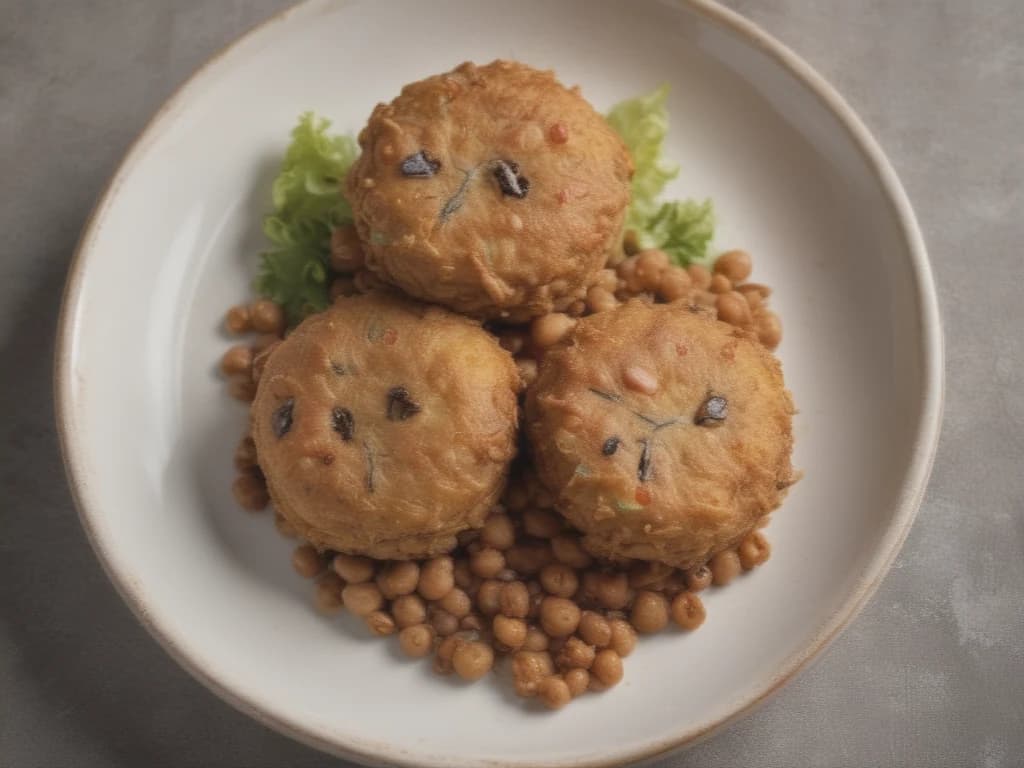
"Cultural heritage of Bahian cuisine made with artisanal dough of broken black-eyed peas, peeled and ground with onion, beaten vigorously until aerated. Fried in boiling red palm oil, it reaches a crispy and reddish shell with a fluffy center, stuffed with vatapa, caruru, and dried shrimp."
- Beating the dough with a wooden spoon incorporates air bubbles that make the interior spongy and light. - Removing the skins from the black-eyed peas after soaking ensures a velvety texture and pleasant digestion. - Frying in boiling palm oil gives the classic reddish crispy crust of the Bahian fritter.
Leave the black-eyed peas to soak for 6 hours. Then, drain and remove the peels.
Process the beans together with the onion until a homogeneous paste is formed.
Adicione sal a gosto e misture bem.
Heat the oil in a deep frying pan. With a spoon, shape the dough into dumplings.
Fry the fritters until golden and crispy on the outside.
Prepare the filling: sauté the dried shrimp with seasonings to taste.
Assemble the acarajé: cut the bolinhos in half and stuff them with vatapá and shrimp.
Finalize com o caruru por cima e sirva quente.
Encontramos os melhores utensílios e ingredientes para você preparar The Acarajé: The Delight of Bahian Cuisine com perfeição.
Como Associado Amazon, o Receita Solta recebe por compras qualificadas feitas atraves deste link.
- Acarajé on the Plate: serve the fritters open on the plate with small portions of Vatapa, caruru, and green tomato vinaigrette on the side. - Cocktail Mini Acarajés: mold small three-centimeter balls with a coffee spoon to serve as finger food at parties. - Traditional Abará: use the same seasoned bean dough wrapped in banana leaf and steamed instead of deep-fried.
- In the absence of black-eyed peas, you can use peeled cowpeas following the same artisanal procedure. - The salty smoked dried shrimp can be desalted in warm water or replaced by fresh shrimp fried in palm oil. - Frying can mix half palm oil with half soybean oil to soften the flavor if you are not used to it.
Fried dumplings should be consumed on the spot to enjoy the external crunch. Store leftovers in a jar in the refrigerator for up to two days; reheat in a preheated oven at 200°C for eight minutes or in an air fryer; do not use microwave.
Freeze the already fried acarajé dumplings without filling in a sealed bag for up to sixty days. Reheat directly from the freezer in the oven at 190°C for fifteen minutes to recover the crispy crust and soft interior.
Harmonize with Bahian chili pepper sauce blended in palm oil, vinaigrette salad with fresh cilantro, and very cold beer.
Break the dry grains in the blender with quick pulses, let them soak for four hours and rub them in water so the husks float.
The act of beating with a wooden spoon oxygenates the dough; without this mechanical aeration, the fritter becomes heavy, dense, and doughy on the inside.
Acarajé is deep-fried in steaming dendê oil; the abará uses the same seasoned dough wrapped in banana leaves and steamed.
Yes, filter the palm oil after it cools to remove burnt residues and store in a dark container for future frying.
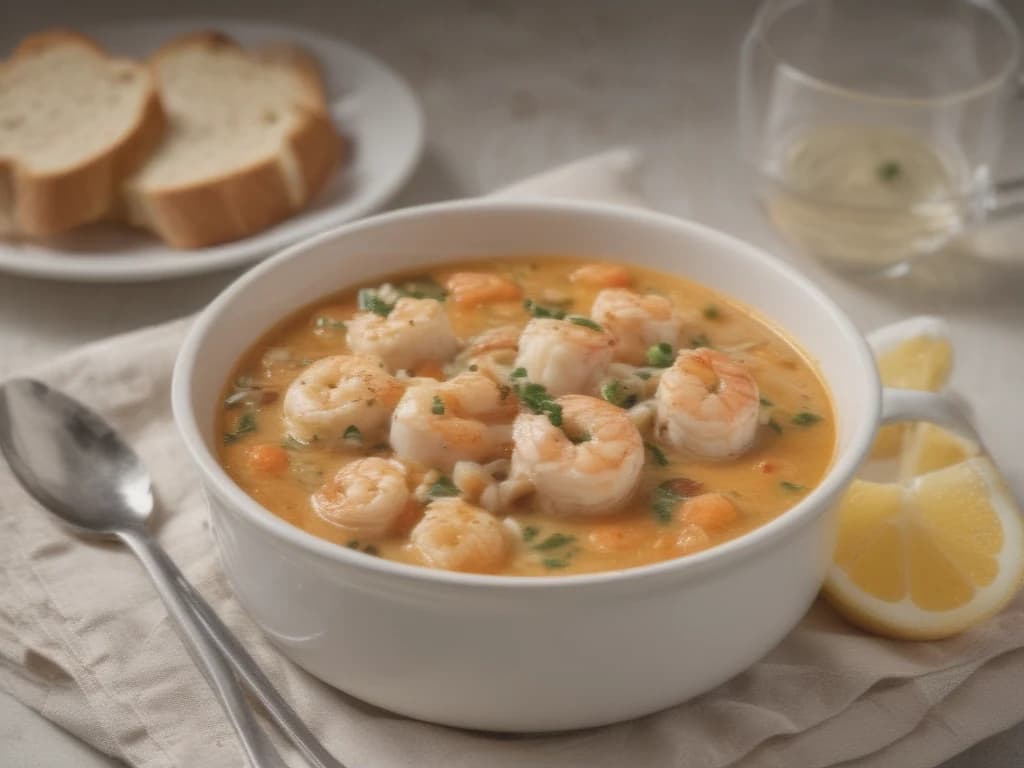

Um ícone da culinária afro-brasileira, o Vatapá é um prato envolvente que celebra a Bahia em cada colherada. Esta receita detalhada garante um resultado autêntico e inesquecível, transformando sua cozinha em um pedaço do Nordeste.