- Prep
- 20 min
- Cook
- 30 min
- Total time
- 50 min
- Yield
- 4 servings
- Difficulty
- EASY
- Calories
- 550 kcal
Quick summary
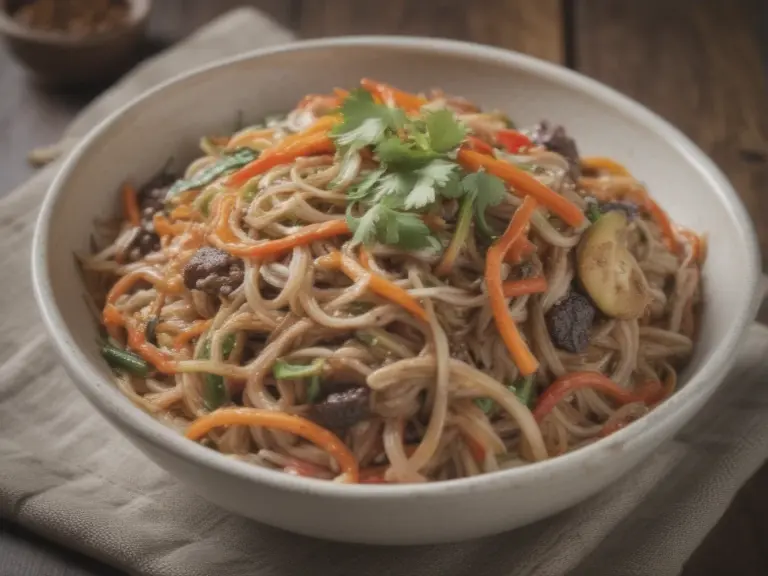
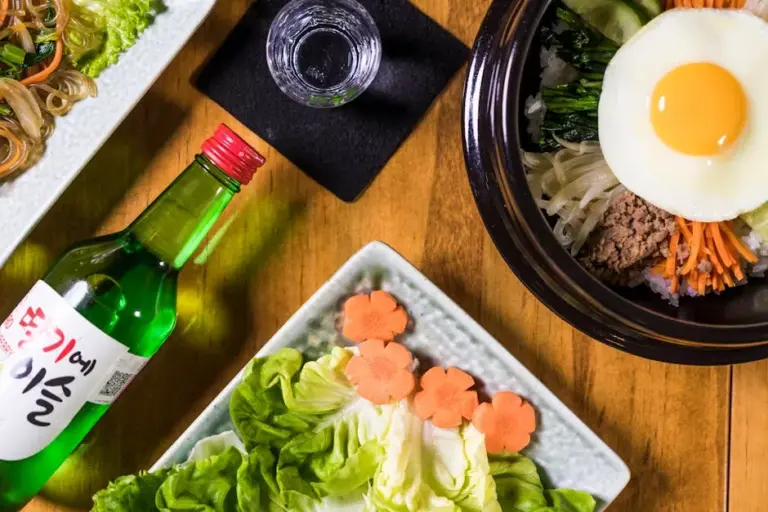
“Bibimbap is a complete and tasty meal that combines rice, meat, vegetables, and egg, all seasoned with Gochujang. It is worth it for its variety of flavors and ease of preparation.”
What you need to know
- Arroz japonês é o base do prato, fornecendo carboidratos
- Carne e legumes refogados adicionam proteínas e fibras
- Ovos e Gochujang completam o perfil de sabor do prato
Ingredients
Main
- 2 cups of cooked Japanese rice
- 200g of beef in strips (sirloin or rump steak)
- 1 medium grated carrot
- 1 small grated zucchini
- 100g sliced shiitake mushrooms
- 1 stalk of chopped green onion
- 4 eggs
- Gochujang sauce to taste
- Salt and pepper to taste
- Oil for frying and sautéing
- Use whole grain rice for a healthier version.
- Try adding kimchi for an extra touch of flavor.
- If you prefer, replace the beef with chicken or tofu for a vegetarian option.
- For an even tastier meal, use sesame cream.
- Bibimbap can be served cold, being an excellent snack option.
Instructions
Principal
- Start by cooking the Japanese rice according to the package instructions.
- While the rice cooks, heat a skillet with a little oil and sauté the meat until browned. Season with salt and pepper.
- Remove the meat from the skillet and in the same skillet, sauté the carrot and zucchini quickly, just until they are tender.
- Add the mushrooms and saute for a few more minutes. Reserve everything on a plate.
- In the skillet, fry the eggs one by one, leaving the yolk soft.
- Assembly: on a large plate, place a portion of rice in the center.
- Arrange the sautéed vegetables and the meat around the rice.
- Place the fried egg on top and finish with green onion and a little Gochujang sauce.
- Serve the recipe while still hot, allowing everyone to mix the ingredients before eating.
Chef's tips
- Use uma frigideira grande para garantir que todos os ingredientes cozinhem uniformemente
- Cozinhe o arroz um pouco menos do que o recomendado para um arroz mais al dente
- Experimente adicionar um pouco de creme de gergelim para dar mais textura
Variations
- Adicione um pouco de kimchi para um toque oriental
- Substitua a carne bovina por frango ou tofu para vegetarianos
- Use diferentes tipos de legumes, como espinafre e beterraba, para variar o prato
Substitutions
- Arroz japonês pode ser substituído por arroz integral para uma versão mais saudável
- Cebola verde pode ser substituída por cebolinha picada
- Molho Gochujang pode ser substituído por molho de soja e uma pitada de chili powder
How to store
The Bibimbap can be served immediately. If prepared in advance, let it cool and store in an airtight container in the fridge for up to 2 days.
Can it be frozen?
We do not recommend freezing Bibimbap, as the ingredients may lose texture and flavor when thawed. If you wish to freeze, prepare the ingredients individually and use in other dishes.
What to serve with
To complement, serve a soy sauce on the side or a mirin sauce for dipping the rice. A green tea can be a good option to accompany.
Frequently asked questions
What is the best sauce to accompany Bibimbap?
You can serve a soy sauce on the side to dip the rice, in addition to a mirin sauce to add an extra touch of flavor.
How can I keep the Bibimbap fresh longer?
The Bibimbap can be served immediately. If prepared in advance, let it cool and store in an airtight container in the fridge for up to 2 days.
Can I use other types of meat?
Yes, you can use chicken or tofu to vary the dish, especially if you prefer a vegetarian option.
Can I freeze Bibimbap?
We do not recommend freezing Bibimbap, as the ingredients may lose texture and flavor when thawed. If you wish to freeze, prepare the ingredients individually and use in other dishes.