- Prep
- 20 min
- Cook
- 30 min
- Total time
- 50 min
- Yield
- 4 servings
- Difficulty
- Medium
- Calories
- 380 kcal
Quick summary
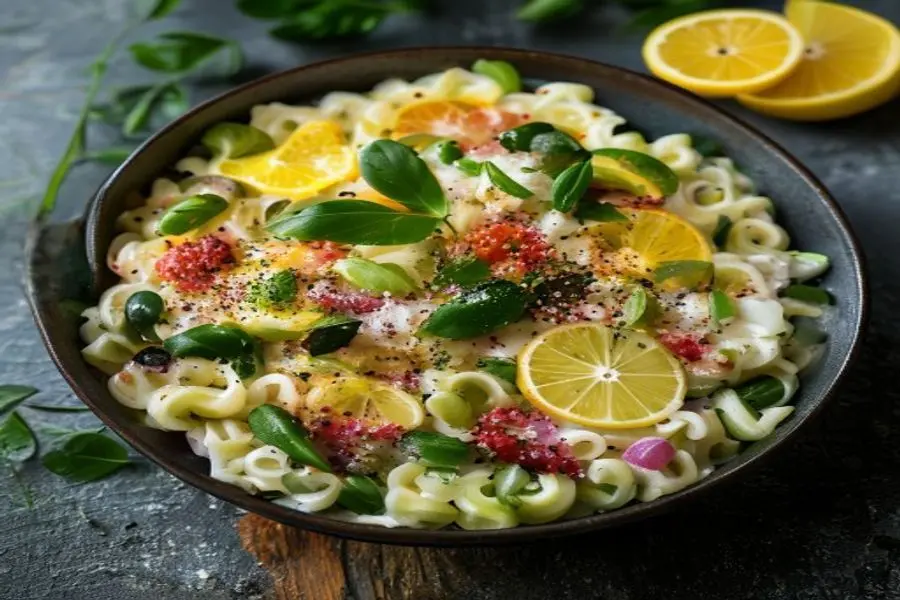
“This spring risotto combines the creamy texture of arborio rice with the vegetable crunch of sautéed fresh asparagus and the citrus brightness of Sicilian lemon. Finished with fresh herbs and parmesan cheese, it translates classic Italian elegance to the table.”
What you need to know
- The initial toasting of the arborio rice grains seals the external starch and ensures that the core remains al dente when chewing.
- Deglazing with dry white wine and the gradual addition of hot broth release the starch, generating the classic creamy emulsion.
- The final mantecatura with cold butter and parmesan cheese off the heat provides the characteristic velvety finish.
Ingredients
Main
- tablespoons Extra virgin olive oil
- unit Cebola pequena
- cloves Garlic
- cups Arborio rice
- cup Vinho branco seco
- cups Vegetable broth
- maço Aspargos frescos
- Zest of 1 Sicilian lemon
- Juice of 1/2 Sicilian lemon
- cup Grated Parmesan cheese
- tablespoons Unsalted butter
- tablespoons Fresh parsley
- tablespoon Fresh basil
- tablespoon Hortelã fresca
Instructions
Principal
- Prepare the broth: Keep the vegetable broth always hot in a small pot over low heat. In simple terms: this is crucial for the risotto to cook evenly, without suffering thermal shocks that could compromise the ideal texture of the arborio rice. A hot base makes all the difference.
- Refogue os aromáticos: In a large, heavy pot, heat the olive oil over medium heat. Add the onion and sauté until translucent, about 3-4 minutes. Add the garlic and cook for 1 more minute, being careful not to burn.
- Toast the rice: Add the arborio rice to the pot and mix well, toasting it for 2 minutes until the edges become translucent. The secret of this recipe is that toasting the rice slightly before adding the liquids seals the grain, ensuring a perfect al dente texture at the end of cooking.
- Deglaze: Pour the white wine into the pan and stir continuously until the liquid is completely absorbed by the rice. This step is crucial to add depth of flavor and aromatic complexity to the risotto. Allow the alcohol to evaporate so that only the essence of the wine remains, enriching the dish.
- Cook the risotto: Start adding the vegetable broth, one ladleful at a time, stirring constantly. Wait for the broth to be almost completely absorbed before adding the next ladle. Continue this process for about 15 minutes, watching the rice, which should start releasing its creamy starch.
- Add the asparagus: After 15 minutes, incorporate the chopped asparagus stalks into the risotto. Continue adding the broth and stirring gently for another 5-7 minutes, until the asparagus is tender but still has a slight crunch. It is important to keep an eye on the texture, to avoid overcooking.
- Finish with the tips and gremolata: In the last 3 minutes of cooking, incorporate the asparagus tips and the Sicilian lemon zest. The professional technique is to add delicate ingredients at the end to preserve vibrant color and firm texture. For the gremolata, mix chopped parsley, basil, and fresh mint.
- Mantecar: Remove the risotto from the heat. Add the grated parmesan cheese (or nutritional yeast for a vegan version) and the unsalted butter (or vegan butter). Stir vigorously for 1-2 minutes until the risotto becomes very creamy and shiny. Adjust salt, pepper, and lemon juice to taste. The most important tip is to serve immediately.
Chef's tips
- Keep pot of vegetable broth at a gentle, continuous simmer so you don't drop temperature of risotto pan.
- Add the tender tips of the asparagus only in the last 4 minutes of cooking to maintain their green color and firmness.
- Turn off the heat before adding the zest and lemon juice to preserve the volatile aromatic oils and citrus freshness.
Variations
- Touch of shrimp: sauté medium shrimp in butter separately and distribute over each risotto plate at the finish.
- Goat cheese: substitute half of the final butter with creamy goat cheese for a sophisticated acidic contrast.
- Toasted almonds: sprinkle golden almond slivers over the served risotto to add nutty crunch.
Substitutions
- Arborio rice can be replaced with carnaroli rice or vialone nano rice with excellent broth absorption capacity.
- The Parmesan cheese can be swapped for Grana Padano or Pecorino Romano cheese, slightly reducing the salt in the recipe.
- Fresh asparagus can be replaced by thinly sliced broccoli stalks or tender fresh peas.
How to store
The risotto should be enjoyed immediately to preserve the creamy consistency of the emulsion. If there are leftovers, store under refrigeration for up to 2 days and use the cold leftovers to shape breaded arancini fried in olive oil.
Can it be frozen?
It is not recommended to freeze ready-made risotto. The gelatinized starch in the rice undergoes dehydration and structural breakdown during freezing, leaving the grains soggy and mealy after thawing.
What to serve with
Classic side dish for grilled fish fillets, grilled filet mignon medallions, or herb-roasted chicken breast. To pair, serve with a refreshing Italian white wine like Pinot Grigio, Gavi, or Vermentino.
Frequently asked questions
Why should the broth always be hot when added to the risotto?
Adding cold broth interrupts the rice cooking and makes the grains release starch in a disorderly way, resulting in a deconstructed texture.
How to know the exact point of the risotto mantecatura?
When the grains are cooked with a firm center (al dente), remove the pan from the heat, add cold butter and parmesan, stirring vigorously.
How to prepare asparagus so they don't become fibrous?
Hold the asparagus stalk by both ends and bend gently; the fibrous part of the base will break naturally where the soft part begins.
Can I make risotto with common long-grain white rice?
Not recommended, as long-grain rice has insufficient shape and amount of amylopectin to produce the full-bodied cream of risotto.