

Europeia
Moussaka: O Delicioso Prato Grego que Você Precisa Experimentar
Moussaka: O Delicioso Prato Grego que Você Precisa Experimentar
30 min
The irresistible journey to bagels with perfect natural fermentation.
Por
Equipe Receita Solta

"Bagels artesanais de fermentação natural com casca crocante e brilhante e miolo denso e mastigável. A rápida fervura em água alcalinizada antes do forneamento garante a textura clássica e autêntica da panificação tradicional."
- Active sourdough (levain) provides aromatic complexity and superior digestibility to the dough. - The low hydration of the dough creates a firm structure needed to maintain the circular shape without collapsing. - The brief bath in boiling water with baking soda gelatinizes the surface starch, generating a shiny crust.
<p>The Artisanal Sourdough Bagels are a celebration of natural yeast baking, offering a unique culinary experience. This recipe guarantees a gloriously crispy crust and a surprisingly soft crumb, with that acidic and complex touch that only sourdough provides. It is an invitation to explore the magic of fermentation.</p>
<p>This recipe is ideal for home bakers with active sourdough starter looking to expand their repertoire. The approach is simplified, ensuring success and transforming the art of making bagels into a pleasant and rewarding activity. The short answer is: perfect for those who love real bread.</p>
<p>Preparing sourdough bagels is perfect for a weekend project, a special brunch, or an unforgettable breakfast. The flexibility allows you to adapt it to your schedule, whether with quick same-day fermentation or the convenience of an overnight fermentation. The most important tip is to plan your time.</p>
<p><strong>Ativar o Fermento Natural:</strong> Alimente seu fermento natural 4-6 horas antes, garantindo que esteja borbulhante e no pico de atividade. Isso é crucial para a levedura da massa do bagel. A técnica profissional para verificar sua força é o teste da flutuabilidade: o starter deve flutuar na água.</p>
<p><strong>Mix the Dry and Wet Ingredients:</strong> In a large bowl, dissolve honey or malt in warm water. Add the active sourdough starter to the wet mixture, stirring gently. In another container, combine wheat flour and sea salt, ensuring homogeneous distribution. This step prepares the dough base.</p>
<p><strong>Unir a Massa:</strong> Despeje o líquido sobre os secos. Use espátula ou mãos para combinar, formando uma massa pegajosa. Cubra e deixe descansar por 30 minutos (autólise). Em termos simples: a autólise hidrata a farinha e inicia o desenvolvimento do glúten, essencial para a textura final do bagel.</p>
<p><strong>Amassar a Massa:</strong> Após a autólise, transfira a massa para superfície levemente enfarinhada. Amasse por 10-15 minutos até ficar lisa, elástica e passar no teste do "pano de janela". A massa de bagel precisa ser mais firme que a de pão. O segredo desta receita é o bom desenvolvimento do glúten.</p>
<p><strong>Fermentação em Massa (Bulk Fermentation):</strong> Retorne a massa para tigela untada, cubra e deixe fermentar em ambiente por 2-4 horas, com dobras a cada 45-60 minutos. A massa deve dobrar de volume. Essa fermentação desenvolve sabor e força na estrutura do bagel, essencial para sua textura mastigável.</p>
<p><strong>Formar os Bagels:</strong> Divida a massa em 8 porções iguais. Enrole em bola firme, use o polegar para fazer um buraco no centro, esticando suavemente. O furo deve ser visível, sem ser excessivamente grande. A dica mais importante é manter a massa úmida ao moldar, facilitando o trabalho manual.</p>
<p><strong>Cold Fermentation (Overnight Option):</strong> Place the shaped bagels on a baking sheet lined with parchment paper and refrigerate, covered, for 12-18 hours. Slow fermentation deepens the sourdough flavor, providing complexity. To bake on the same day, ferment in an environment for 1-2 hours until they swell slightly. Adapt to your routine.
<p><strong>Prepare for Cooking and Boiling:</strong> Preheat the oven to 220°C (425°F). Prepare a large pot with boiling water and add baking soda. Baking soda helps caramelize the crust, ensuring the characteristic crunch of the bagel. The short answer is: raises the pH of the water, favoring the Maillard Reaction.</p>
<p><strong>Boil the Bagels:</strong> Remove the bagels from the refrigerator. Dip 2-3 at a time in boiling water for 30-60 seconds on each side. Remove with a slotted spoon, drain well, and place on a baking sheet. The most common mistake is boiling for too long or too little, which directly affects the final texture of the bagel.</p>
<p><strong>Bake the Bagels:</strong> If desired, add your favorite toppings (sesame seeds, poppy seeds). Take the bagels to the preheated oven and bake for 10 minutes. Reduce the temperature to 200°C (400°F) and bake for 10-15 more minutes, or until they are golden and with a crispy crust. Serve hot and fresh.</p>
<p><strong>Fermento Ativo é Fundamental:</strong> Garanta que seu fermento natural esteja borbulhante, leve e com aroma agradável antes de iniciar a receita. Um teste simples é colocar uma pequena colher de fermento em um copo d'água; ele deve flutuar. Isso assegura a força necessária para a levedura da massa.</p>
<p><strong>Temperatura da Água:</strong> Use água morna (não quente!) para ativar o fermento e a levedura. A temperatura ideal é entre 35-40°C. Água muito quente pode matar o fermento, enquanto água fria retarda excessivamente o processo. A técnica profissional é usar um termômetro culinário.</p>
<p><strong>Perfect Shape:</strong> For a consistent shape, after making the hole with your thumb, spin the dough between your fingers, gently stretching to expand the ring. The hole should not close completely during fermentation and cooking. The most common mistake is not opening the hole enough.
<p><strong>Creative Toppings:</strong> After boiling the bagels, dip them in sesame seeds, poppy seeds, dried garlic, or grated cheese while still moist. Toppings adhere better at this stage. Press lightly to ensure they stay well fixed during baking.</p>
<p><strong>The Importance of Malt:</strong> Diastatic malt powder, or honey, provides sugars for the sourdough yeasts and aids in crust caramelization. This results in a more beautiful color and a deeper flavor in the final product. It is a small detail that makes a big difference.</p>
<p><strong>Inactive Yeast:</strong> Using a weak or inactive starter results in dense bagels without the desired volume. Always check the vitality of your yeast before starting. The most important tip is to feed the yeast correctly and wait for its peak.</p>
<p><strong>Insufficient Kneading:</strong> Bagel dough requires good gluten development for its chewy texture. Kneading for a short time will result in bagels without structure and excessively soft. Kneading enough is crucial for the characteristic chewy bite.</p>
<p><strong>Overboiling or Underboiling:</strong> Boiling for too long can make the bagels chewy, while boiling for too little time will result in a dull and less crunchy crust. The ideal time is 30 to 60 seconds per side. In simple terms: balance the cooking time.</p>
<p><strong>Excess Flour:</strong> A very dry dough will be difficult to work with and will result in hard bagels. Add flour gradually and only enough so that the dough doesn't stick excessively. The secret of this recipe is balanced hydration.</p>
<p><strong>Inadequate Fermentation:</strong> Both insufficient and excessive fermentation can compromise the final texture. Observe the signs of the dough: it should be slightly swollen, but not over-aerated. The most common mistake is not trusting visual and tactile observation.</p>
<p><strong>Bagels "Everything":</strong> Após ferver, cubra os bagels com uma mistura de sementes de gergelim preto e branco, sementes de papoula, alho e cebola desidratados e sal grosso. Esta é uma cobertura clássica e altamente saborosa. A técnica profissional é umedecer bem a superfície para a aderência.</p>
<p><strong>Bagels de Queijo e Pimenta:</strong> Incorpore queijo cheddar ralado e flocos de pimenta vermelha diretamente na massa durante a etapa de amassar. Sirva-os quentes, talvez com um toque de cream cheese apimentado. Esta versão oferece um sabor mais picante e robusto.</p>
<p><strong>Whole Wheat Bagels:</strong> Replace up to 50% of the white flour with whole wheat flour. Adjust hydration as necessary, as whole wheat flour absorbs more water. The result will be bagels with a richer nutritional profile and a more earthy flavor.</p>
<p><strong>Malt and Rye Bagels:</strong> Add a tablespoon of rye flour and a little more diastatic malt to the dough. This combination provides a more complex and traditional flavor, with slightly sweet and earthy notes. It is a variation for more sophisticated palates.</p>
<p><strong>Serve Fresh:</strong> Bagels are best enjoyed fresh, ideally still warm from the oven. Cut in half and spread with butter, cream cheese, jam, or your favorite fillings. The experience is unparalleled when the bagel is freshly baked. The short answer is: eat them soon!</p>
<p><strong>Armazenamento:</strong> Armazene os bagels restantes em um recipiente hermético em temperatura ambiente por até 2 dias. Para prolongar a validade, congele-os. Corte-os ao meio antes de congelar para facilitar o preparo posterior. O erro mais comum é deixá-los expostos ao ar.</p>
<p><strong>Freezing:</strong> To freeze, place the cooled bagels in a plastic bag suitable for freezing, removing as much air as possible. Can be stored in the freezer for up to 3 months. To consume, toast them directly from the freezer for a quick breakfast.</p>
<blockquote>"The magic of sourdough baking lies in patience and the ability to transform simple ingredients into something extraordinary. Each bagel tells a story of time, care, and love." - Chef Alex Ribeiro
Encontramos os melhores utensílios e ingredientes para você preparar Artisanal Sourdough Bagels: Ideal Crunch, Soft Center com perfeição.
Como Associado Amazon, o Receita Solta recebe por compras qualificadas feitas atraves deste link.
- Cover with 'everything bagel' mixture: sesame seeds, poppy seeds, dehydrated garlic and onion, and coarse salt. - Add cinnamon powder and raisins to the dough during kneading for a classic sweet breakfast version. - Sprinkle coarsely grated parmesan cheese on top just before putting the baking dish in a very hot oven.
- O mel adicionado à massa pode ser substituído por xarope de malte de cevada ou melaço de cana. - A farinha de trigo forte para pães pode ser substituída por farinha de trigo tradicional com teor proteico de 11%. - O bicarbonato da fervura pode ser trocado por 1 colher de sopa de açúcar mascavo ou malte líquido.
Store in a paper or plastic bag closed at room temperature for up to 3 days. To consume with the original freshness, cut in half and pass in the toaster until the crumb is lightly browned.
Cut the bagels in half and freeze the slices in airtight bags for up to 3 months. Place the frozen halves directly in the toaster on a medium cycle to thaw and toast simultaneously.
Serve with a generous layer of cream cheese, slices of smoked salmon, capers, and thin rounds of red onion.
Pingue uma colher de chá do fermento em um copo com água fria (teste de flutuabilidade). Se a massa borbulhante boiar na superfície devido aos gases aprisionados, ela está pronta para uso imediato.
A fervura rápida cozinha o amido da superfície exterior, bloqueando a expansão excessiva da massa no forno. Esse choque térmico produz a casca mastigável e brilhante característica dos autênticos bagels.
Roll the dough into a firm sphere and poke the center with your floured thumb. Rotate the dough around your two index fingers in gentle circles until a hole of about 4 cm in diameter opens.
The oven must be very hot, preheated to 220°C. High heat browns the surface treated by the alkaline bath and bakes the dense interior in about 20 to 25 minutes.
Moussaka: O Delicioso Prato Grego que Você Precisa Experimentar
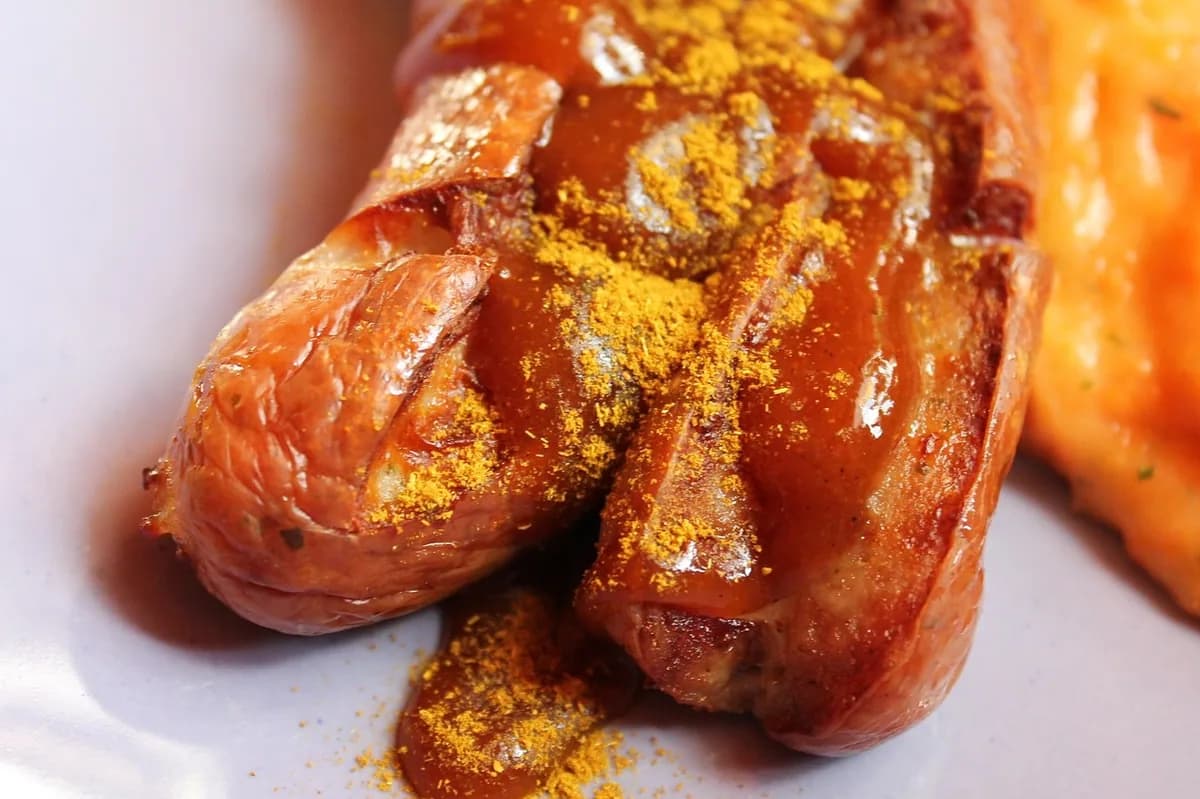
Currywurst: O Sabor Alemão que Conquistou o Brasil
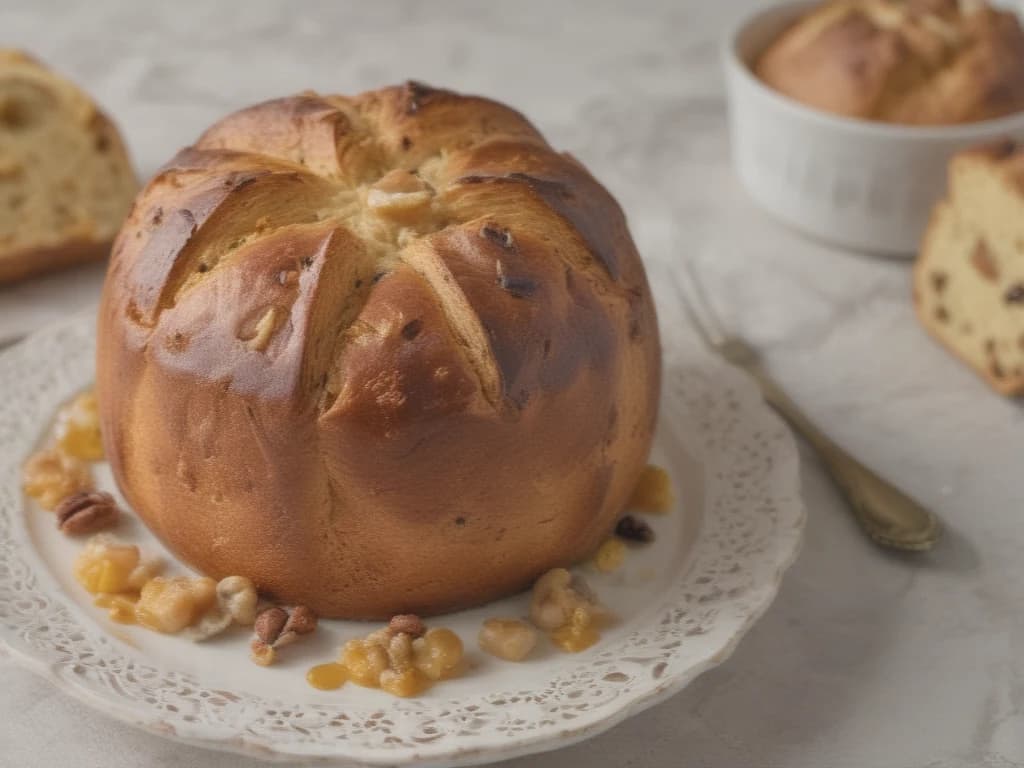
Descubra o Delicioso Panettone Tradicional Brasileiro