

Europeia
Moussaka: O Delicioso Prato Grego que Você Precisa Experimentar
Moussaka: O Delicioso Prato Grego que Você Precisa Experimentar
30 min
A rustic and incredibly creamy cheesecake that defies convention.
Por
Equipe Receita Solta

"The icon of San Sebastián pastry baked at 220°C: a cheesecake without a cookie crust with a deeply caramelized surface and velvety and creamy interior. Made with cream cheese, fresh cream, and whole eggs."
- The oven at a high temperature of 220°C intentionally burns the top without overcooking the center. - The pan lined with two sheets of crumpled parchment paper gives the traditional wavy rustic edge. - Resting outside the oven until reaching room temperature is indispensable to firm up the creamy interior.
The most important tip is to preheat the oven to 220°C (high heat) well in advance. Grease a 20-22 cm diameter round pan with a removable bottom. Line it with two sheets of parchment paper, leaving the edges very high to create a 'wall' and contain the cheesecake's rise. Crumple the paper lightly before lining so it fits better.
In a large bowl, beat the room-temperature cream cheese with the refined sugar using a whisk or mixer on low speed. Mix until you get a smooth and homogeneous dough, without lumps. The short answer is: do not beat too much to avoid incorporating excessive air, which can crack the cheesecake.
Add the eggs one at a time, mixing well after each addition. Then, incorporate the egg yolks. Slowly add the fresh cream and vanilla extract. The professional technique is to incorporate the liquids gradually to maintain the emulsion and creaminess of the batter, ensuring a flawless final texture.
Sift the all-purpose flour and the pinch of salt directly over the creamy mixture. Stir gently only until the flour is incorporated and there are no lumps. The secret to this recipe is not to overbeat the flour, so as not to develop gluten, which would alter the final texture of the cheesecake.
Carefully pour the batter into the lined pan. Place in the preheated oven and bake for approximately 50-60 minutes. The time may vary depending on the oven. The cheesecake will be ready when the top is deeply golden to almost burnt and the edges are firm, but the center still trembles slightly.
Remove the cheesecake from the oven and let it cool completely at room temperature inside the pan. It will wilt and crack a little, which is completely normal and part of its rustic charm. After cooling, take it to the refrigerator for at least 6 hours, or preferably overnight.
Encontramos os melhores utensílios e ingredientes para você preparar Basque Burnt Cheesecake: The Secret to the Perfect Caramelized Crust com perfeição.
Como Associado Amazon, o Receita Solta recebe por compras qualificadas feitas atraves deste link.
- Serve with a tart compote of fresh blackberries or amarena cherries to cut through the dairy richness. - Add 1 tablespoon of instant coffee dissolved in the heavy cream for a Basque coffee version. - Sprinkle fleur de sel crystals on the served slice to highlight the bitter notes of the caramelized sugar.
- The traditional cream cheese block can have 20% replaced by fresh goat cheese for greater complexity. - Fresh cream (35% fat) can be substituted with liquid whipped cream. - The vanilla extract can be substituted with fine zest of 1 lemon or vanilla bean seeds.
Store in the refrigerator covered for up to 5 days. To consume with the best silky texture and fluid center, remove the slices from refrigeration 40 minutes before serving at the table.
Freeze individual slices wrapped in parchment paper and plastic wrap for up to 60 days. To thaw, transfer to the refrigerator the night before; the texture remains extremely velvety.
Pairs perfectly with a glass of Pedro Ximénez dessert wine, Tawny Port wine, espresso coffee, or dry sherry.
No, the top undergoes intense caramelization of the milk's sugars and proteins at high temperature, creating complex notes reminiscent of crème brûlée crust and toasted caramel.
The sunken center is absolutely normal and expected in the Basque cheesecake; when baking without a water bath and without abundant starch, the structure inflates in the heat and settles, forming the creamy center.
Crumple the two sheets of parchment paper into a ball under running water, squeeze out the excess, and unfold; the damp paper becomes pliable and molds perfectly to the shape.
It is not recommended, as the high fat content of traditional bar cream cheese and fresh heavy cream is what sustains the creamy emulsion without curdling in the intense heat of 220°C.
Moussaka: O Delicioso Prato Grego que Você Precisa Experimentar
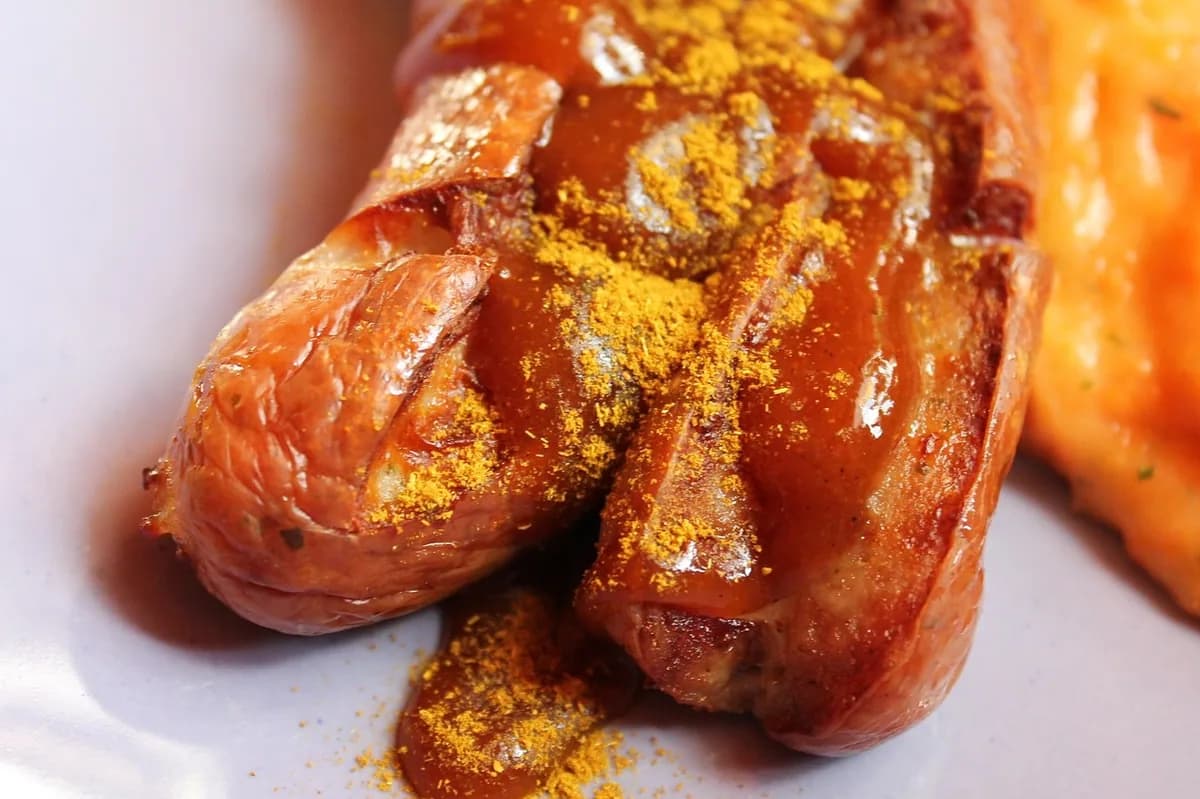
Currywurst: O Sabor Alemão que Conquistou o Brasil
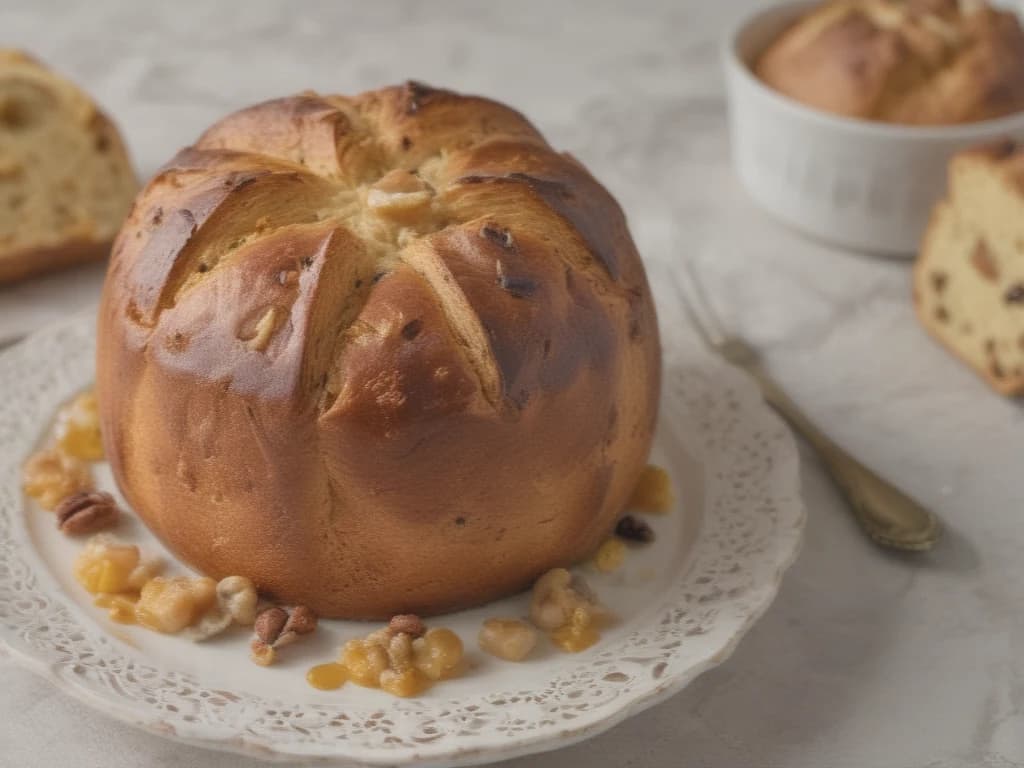
Descubra o Delicioso Panettone Tradicional Brasileiro