

Europeia
Moussaka: O Delicioso Prato Grego que Você Precisa Experimentar
Moussaka: O Delicioso Prato Grego que Você Precisa Experimentar
30 min
Por
Master Receita Solta
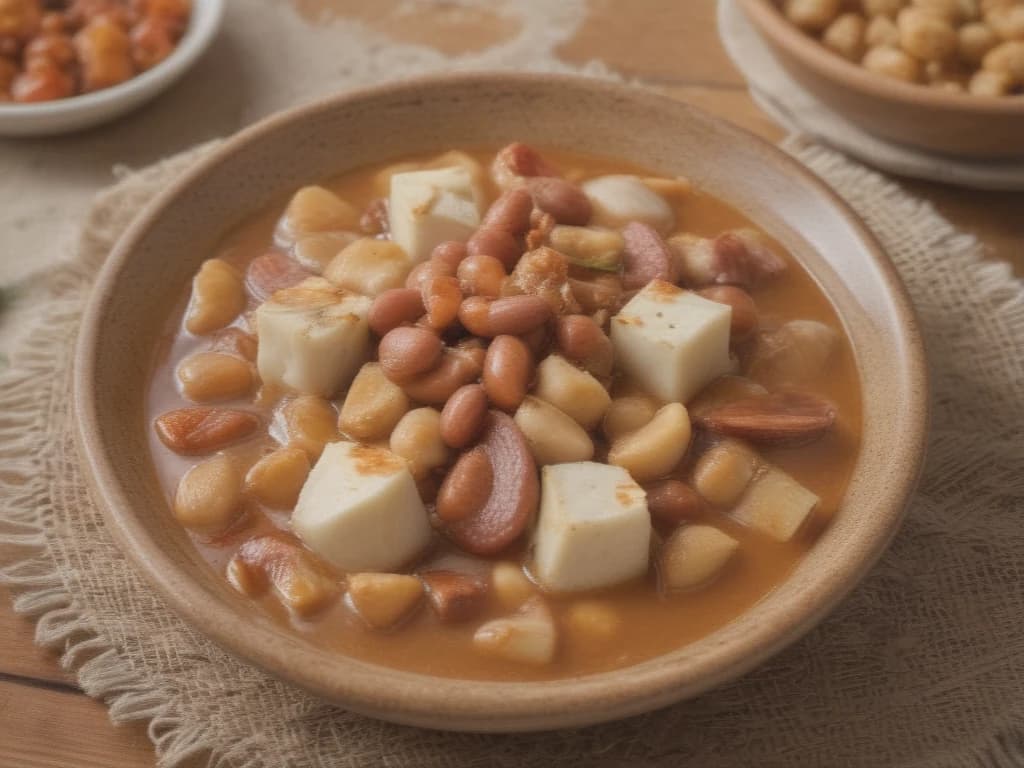
"Fabada asturiana is one of the most traditional stews in Spain, cooking large white beans over low heat with Spanish chorizo, smoked blood sausage, bay leaf, and sweet paprika. It is worth making to savor a robust winter dish, where the sausages enrich the thick broth and leave the grains with a buttery texture."
- Let the white beans soak in plenty of cold water for 12 hours to soften the grains and reduce cooking time. - Lightly brown the chorizo and blood sausage cut into large pieces along with the onion and garlic sauté to release the aromatic fat. - Cook over low heat for about 90 minutes, shaking the pot by the handles instead of stirring with a spoon so as not to break the beans.
Drain the beans that were soaking and set aside.
In a large pan, heat a drizzle of olive oil and sauté the onion and garlic until they are transparent.
Add the chorizo and blood sausage cut into pieces and let it brown a little.
Junte o feijão, as folhas de louro e a páprica. Misture bem.
Pour in the beef broth and bring to a boil.
After boiling, lower the heat and cook for approximately 90 minutes, until the beans are soft.
Taste and adjust the salt and pepper if necessary.
Let it rest for 10 minutes before serving.
Encontramos os melhores utensílios e ingredientes para você preparar Delicious Fabada Asturiana: Traditional and Irresistible com perfeição.
Como Associado Amazon, o Receita Solta recebe por compras qualificadas feitas atraves deste link.
- Fabada com costelinha suína: acrescente 200g de costelinha de porco salgada ou defumada dessalgada junto aos embutidos. - Versão com toucinho ou bacon: adicione um pedaço de toucinho curado (pancetta) ao cozimento para ampliar a cremosidade do caldo. - Toque de açafrão: dissolva alguns pistilos de açafrão verdadeiro em água morna e adicione ao caldo para conferir cor dourada e nota floral.
- Spanish chorizo: use thick sliced smoked paio, good quality cured calabresa sausage, or Portuguese sausage. - Blood sausage: replace with Brazilian blood sausage or well-smoked Blumenau sausage. - White beans: use large butter beans, cannellini beans, or hydrated white fava beans.
Store in an airtight container in the refrigerator for up to 4 days; the flavor of the fabada improves the day after preparation. Reheat in a heavy-bottomed pot over low heat, adding a little broth if necessary.
You can freeze in proper containers with the broth covering the beans for up to 90 days without losing quality. Thaw in the fridge for 24 hours and reheat slowly over low heat, shaking the pan until bubbling.
Serve very hot in deep plates or clay bowls accompanied by slices of rustic thick-crust bread to dip in the sauce. Pairs perfectly with well-chilled natural cider or a young, full-bodied red wine.
The friction of the spoon breaks the fragile shells of the cooked grains and breaks down the blood sausage; gently shake the pan by the handles to mix.
Remove a ladle of cooked beans with a little broth, mash them with a fork until they form a puree, and return to the pot in the last 15 minutes.
Yes, if you prefer a less heavy dish, use a ladle to remove the layer of reddish oil that rises to the surface halfway through cooking.
Pode, diminuindo o tempo para cerca de 35 a 40 minutos após a pressão; porém, o cozimento tradicional em panela aberta garante melhor controle da integridade dos grãos.
Moussaka: O Delicioso Prato Grego que Você Precisa Experimentar
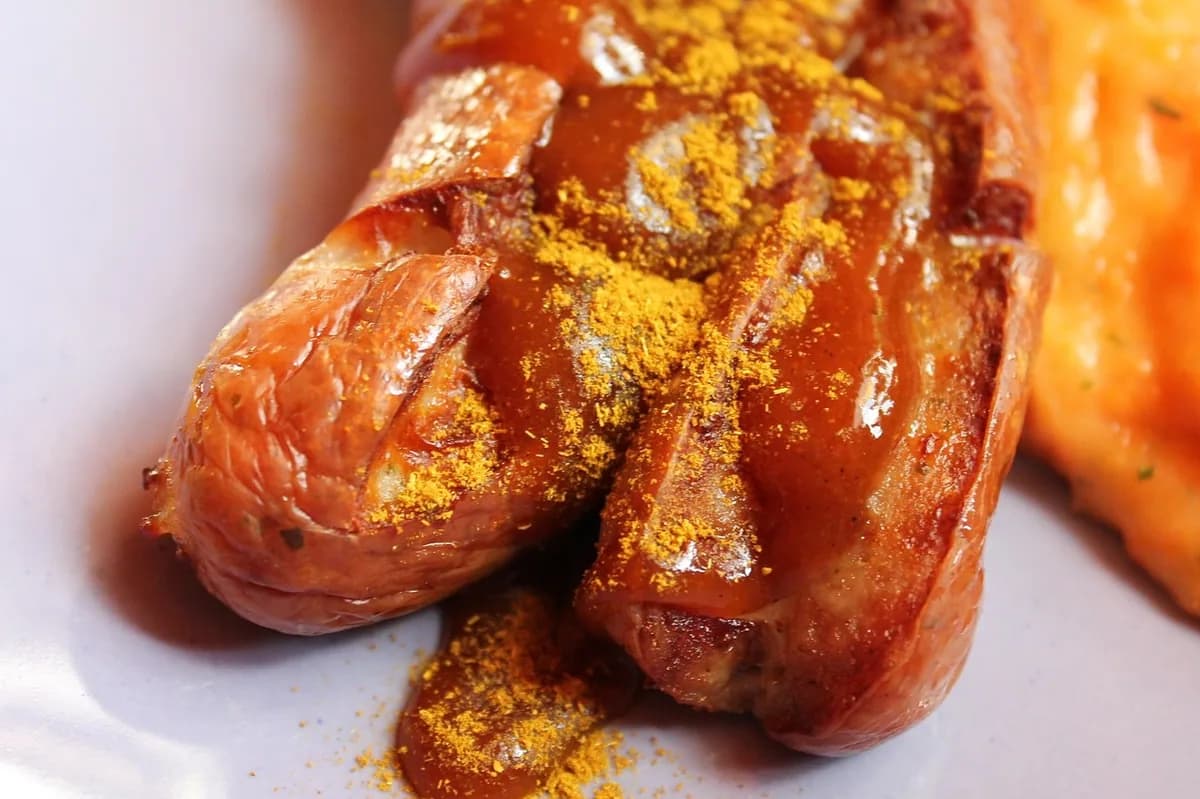
Currywurst: O Sabor Alemão que Conquistou o Brasil
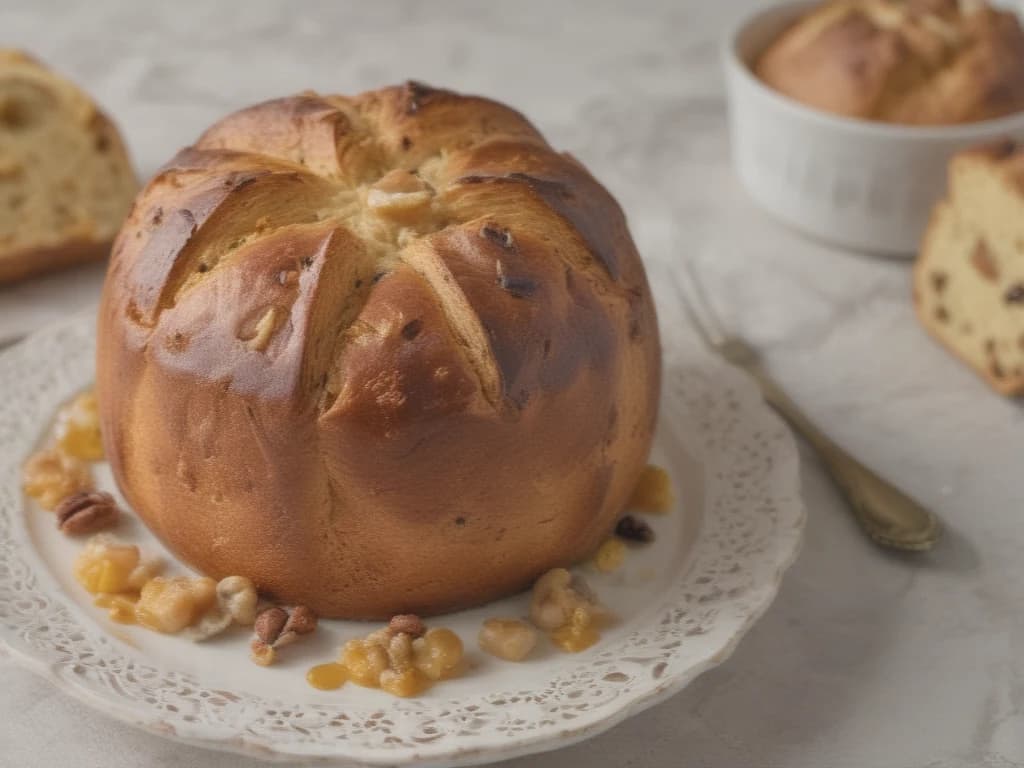
Descubra o Delicioso Panettone Tradicional Brasileiro