

Nordestina
Discover the secret of the perfect Bahian cream, rich in flavor and history.
Por
Equipe Receita Solta

"This traditional Bahian Vatapa rescues Afro-Brazilian roots by combining softened bread, cashews, roasted peanuts, and dried shrimp blended with coconut milk and pure red palm oil. Finished with tender fresh shrimp, it delivers a striking aroma, golden color, and silky texture."
- A trituração fina de castanhas e amendoins com o pão hidratado cria uma emulsão aveludada e espessa natural - O cozimento constante em fogo médio-baixo apura o azeite de dendê integrando os temperos sem talhar - O camarão fresco entra no final por apenas 5 a 7 minutos garantindo carne suculenta e macia ao morder
<strong>Hydrate the bread and shrimp:</strong> Cut the bread into pieces and soak it in hot water for 10 minutes to soften well. Meanwhile, hydrate the dried shrimp in warm water for 15 minutes, drain, and chop finely. Reserve the fresh shrimp, cleaned and seasoned with salt and lemon.
<strong>Prepare the base paste:</strong> Squeeze the softened bread to remove excess water. In the blender, beat the drained bread with the cashew, peanut, and half of the coconut milk until obtaining a very smooth and homogeneous paste. Set aside this creamy mixture to avoid lumps in your vatapá.
<strong>Sauté the flavors:</strong> In a large, deep pan, heat a drizzle of dendê oil and sauté the chopped dried shrimp for 2 minutes. Add the chopped red onion and let it wilt. Next, add the garlic, peppers, and tomato, sautéing for about 5 to 7 minutes, until the vegetables are soft and aromatic.
<strong>Cook the cream:</strong> Add the bread and nut paste to the saute in the pan, stirring vigorously to incorporate everything. Add the remaining coconut milk, grated ginger, and the bird's eye chili (if using). Cook over low heat, stirring constantly to prevent sticking, for about 15 minutes, until the cream thickens and pulls away from the bottom of the pan.
<strong>Add the fresh shrimp:</strong> When the cream reaches the desired consistency, add the seasoned fresh shrimp. Cook for another 5 to 7 minutes, just until the shrimp turn pink and are cooked through. Be careful not to overcook, as overcooked shrimp become rubbery.
<strong>Finish and adjust:</strong> Turn off the heat and incorporate the chopped fresh cilantro and the remaining palm oil. Stir well and taste, adjusting salt and black pepper if necessary. Vatapá should have a rich, balanced flavor, with the mild heat of the pepper and the characteristic aroma of dendê oil.
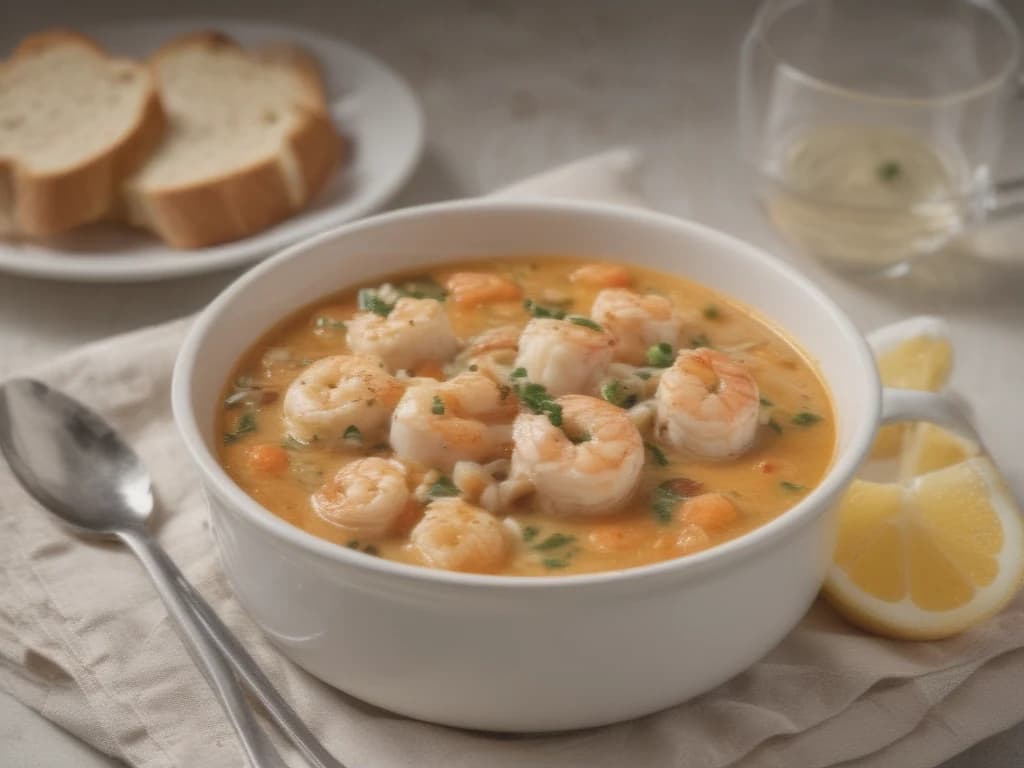
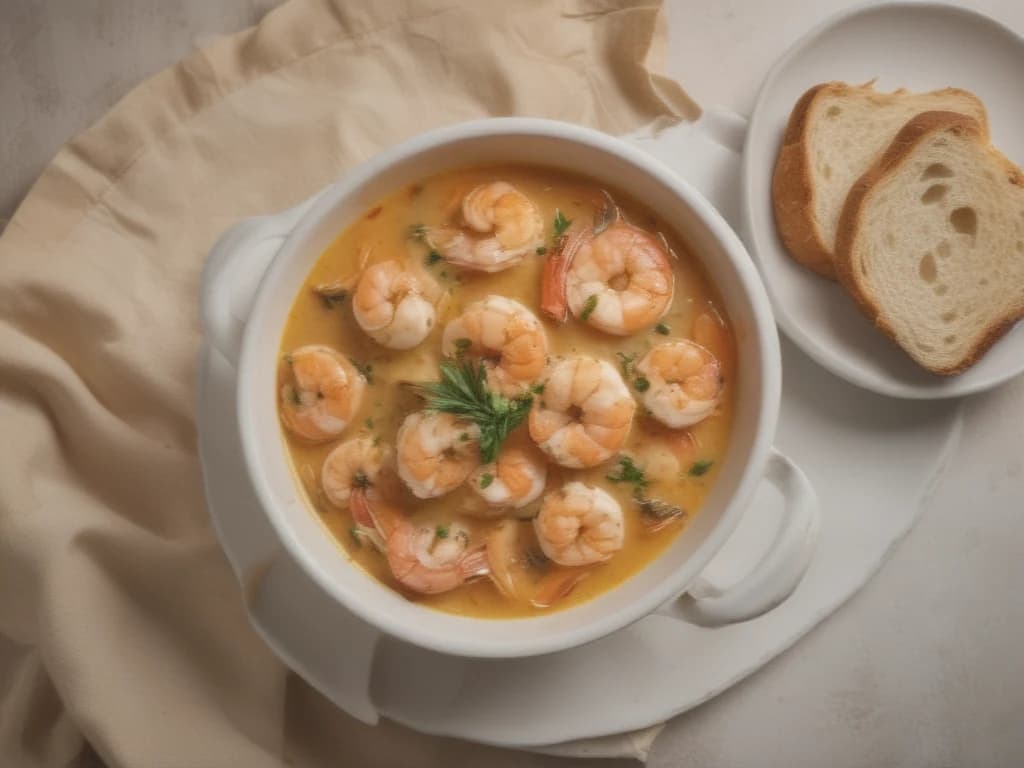
<strong>Serve hot:</strong> Transfer the Vatapá to a beautiful platter and serve immediately. It can be decorated with some fresh sautéed shrimp and more chopped cilantro. It is a dish that gains more flavor when fresh, but is also delicious the next day, slowly reheated.
Encontramos os melhores utensílios e ingredientes para você preparar Full-Bodied Vatapá: Ancestral Recipe with a Modern Chef's Touch com perfeição.
Como Associado Amazon, o Receita Solta recebe por compras qualificadas feitas atraves deste link.
- Prepare uma versão vegetariana excluindo os camarões e adicionando palmito pupunha em cubos e cogumelos frescos - Incorpore meia colher de café de gengibre ralado extra e pimenta-malagueta macerada para uma picância autêntica - Sirva como recheio clássico para acarajés fritos no dendê ou mini empadas folhadas para recepções
- O pão francês amanhecido pode ser substituído por farinha de trigo dissolvida ou farinha de mandioca fina crua - O camarão fresco pode ser substituído por cubos de peixe firme de carne branca como cação ou pescada-amarela - O amendoim torrado pode ser substituído pela mesma proporção de castanha-de-caju para quem possui restrição
Store the vatapá in a closed container in the refrigerator for up to 3 days. Reheat over low heat adding 2 tablespoons of coconut milk or water to regain the velvety texture without letting the bottom of the pot burn.
Freeze the already cold vatapa in an airtight container for up to 60 days in the freezer. To consume, thaw in the refrigerator for 12 hours and heat over low heat, stirring constantly, until gently simmering and creamy again.
Pairs perfectly with fluffy white rice, fish moqueca, hot acarajé, and crispy dendê farofa. For the drink, serve with ice-cold light beer, fresh coconut water, or very cold natural cashew juice.
Dried shrimp gives the characteristic smoky flavor; if you don't have it, use fresh shrimp with an extra pinch of salt and paprika.
Soak the dried shrimp in cold water for 20 minutes and drain well under running water before chopping and sautéing.
The cream will be ready when it thickens, detaches easily from the bottom of the pan, and presents a vivid shine from the dende oil.
It can curdle if the heat is too high; keep the heat at medium-low and stir vigorously without stopping throughout the entire cooking process.
Delicioso Vatapá: O Sabor da Bahia em sua Mesa