
Legumes
A vibrant side dish that celebrates the lightness of the season
Por
Equipe Receita Solta

"This spring dish highlights fava beans blanched with precision, enveloped in olive oil, citrus zest, and grated parmesan cheese. Roasted pistachios and fresh mint add crunch and aroma."
- Quick 2-minute blanching: cooking fava beans in boiling salted water preserves the vibrant green color and tender texture. - Optional outer film: removing the whitish skin after boiling reveals velvety and delicate grains in the chewing. - Immediate aromatic finishing: mixing olive oil, mint, and zest while still warm releases fragrant oils.
<strong>Prepare the Fava Beans:</strong> Peel the fresh fava beans, removing them from the pod. If you want an even finer and more delicate texture, also remove the white film that surrounds each individual grain. In simple terms: this step ensures softer fava beans with a less bitter flavor, elevating the experience. The secret of this recipe begins with meticulous preparation.
<strong>Blanch the Fava Beans:</strong> Bring a pot of generously salted water to a boil. Add the fava beans and cook for only 2-3 minutes. They should be soft, but still with a slight resistance. Immediately after, drain and transfer to an ice bath. The most important tip is: the ice bath stops the cooking, maintaining the vibrant green color.
<strong>Finalizar o Prato:</strong> Em uma tigela grande, combine as favas branqueadas e escorridas com o azeite extra virgem de boa qualidade. Adicione a menta fresca picada, o Parmesão ralado finamente, o suco e as raspas de limão siciliano. Misture delicadamente para envolver todos os ingredientes, garantindo uma distribuição uniforme dos sabores vibrantes.
<strong>Adicionar Textura e Aroma:</strong> Por último, incorpore os pistaches picados e as pétalas de rosa secas (se estiver usando para um toque aromático). Tempere com sal marinho e pimenta do reino moída na hora a gosto. Prove e ajuste os temperos se necessário. O segredo desta receita é: o equilíbrio entre o frescor da menta, a acidez do limão e a crocância do pistache.
Encontramos os melhores utensílios e ingredientes para você preparar Spring Favas: Fresh Mint, Lemon and Crunchy Pistachio com perfeição.
Como Associado Amazon, o Receita Solta recebe por compras qualificadas feitas atraves deste link.
- Touch of feta cheese: Crumble Greek feta cheese over the fava beans instead of parmesan for more saline notes. - Addition of pancetta: incorporate pancetta or bacon cubes browned in the skillet and drained into the fava bean mixture. - Expanded citrus version: add thin slices of lemon without skin and fresh tarragon leaves.
- Fresh fava beans: use frozen shelled fava beans, fresh shelled edamame, or tender fresh green peas. - Grated parmesan cheese: replace with artisanal Pecorino Romano cheese or aged Canastra cheese with an intense flavor. - Toasted pistachios: swap for chopped walnuts, pine nuts browned in the skillet, or toasted sliced almonds.
Store the seasoned fava beans in a closed container in the fridge for up to 2 days. As the lemon and olive oil continue marinating the grains, the flavor sharpens; serve at room temperature for ideal texture.
Freeze only the blanched fava beans without seasonings in a culinary bag for up to 3 months. Do not freeze the finished dish assembled with mint and cheese, as the leaves darken and the dish collects water.
Serve with rustic sourdough bruschetta with olive oil and garlic, grilled lamb chops over charcoal, or classic Parmesan risotto with dry white wine.
For larger fava beans, the whitish outer skin can be bitter and leathery; peeling ensures grains are incredibly tender and velvety in the mouth.
After 2 to 3 minutes in boiling salted water, the grain should be soft when pressed between the teeth, without becoming mealy or falling apart.
Yes, regular mint perfectly substitutes spearmint, providing the same aromatic and refreshing contrast against the olive oil and cheese.
This dish reaches its aromatic peak served warm or at room temperature, at which point the subtle heat of the fava beans activates the olive oil and mint.
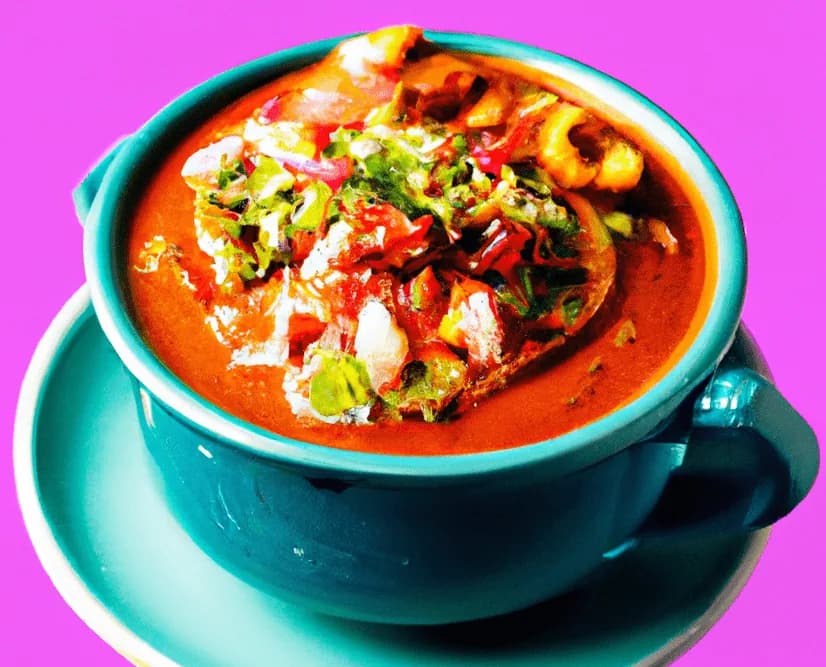
Pozole: A Sopa Tradicional Mexicana que Conquistou o Brasil

Descubra uma salada de pasta leve e vibrante, com aspargos defumados, azeite cítrico e crocância de presunto Parma. O limão caramelizado é o segredo para uma acidez revigorante e as calorias aproximadas por porção são de 450-500 kcal.