

Legumes
An authentic vegetable journey through the flavors of Tuscan cuisine.
Por
Equipe Receita Solta
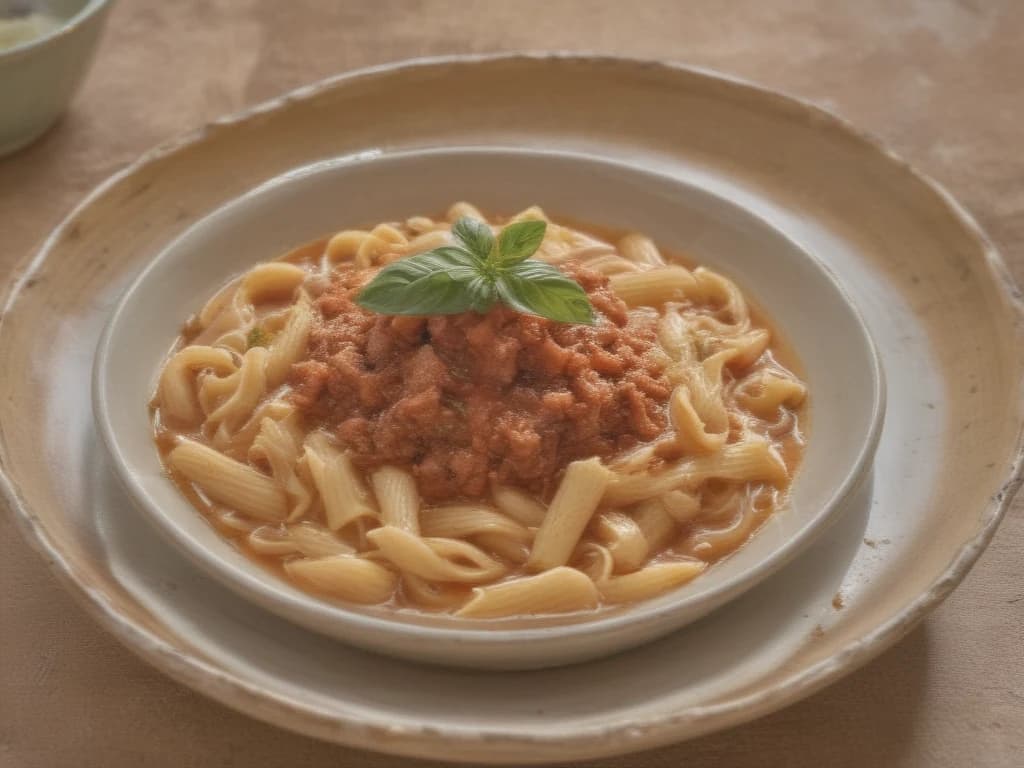
"This classic sugo finto of Tuscan cuisine reinvents the concept of traditional ragù by slowly cooking a meticulous soffritto of onion, carrot, and celery in olive oil, deglazed with red wine and sweet peeled tomatoes. A rustic and full-bodied sauce that tricks the senses without containing meat."
- O corte uniforme e minucioso dos vegetais do soffritto é a base técnica que confere textura similar à carne moída - A deglaçagem com vinho tinto seco carameliza os açúcares dos vegetais aportando cor escura e profundidade - O cozimento brando por 60 minutos apura a acidez dos tomates pelados transformando o molho em um creme espesso
<strong>Prepare the Soffritto:</strong> In a heavy-bottomed pan, add the olive oil and heat over medium heat. Add the chopped onion and sauté until translucent, for about 5-7 minutes. It is crucial to cook the onion slowly to release its sweetness.
<strong>Add the Aromatics:</strong> Add the minced garlic, carrot, and finely chopped celery. Sauté for another 8-10 minutes, stirring occasionally, until the vegetables are soft and fragrant. The professional technique is to allow the flavors to develop gradually at this stage.
<strong>Deglaze with Wine:</strong> Pour the dry red wine into the pan and increase the heat, scraping the bottom of the pan with a wooden spoon. Let the alcohol evaporate completely, which takes about 2-3 minutes. This process adds a complex layer of flavor to the sauce.
<strong>Incorporate the Tomato:</strong> Add the crushed peeled tomatoes, the tomato paste, and the sprig of rosemary. Stir well to combine all ingredients. Season with salt and black pepper to taste at this moment.
<strong>Slow Cooking:</strong> Reduce heat to low, cover the pan, and cook for at least 45-60 minutes. The secret of this recipe is to allow the ragù to bubble gently, developing deep flavors. Stir occasionally and, if necessary, add a little hot water or vegetable broth.
<strong>Finish the Sauce:</strong> After the cooking time, remove the rosemary sprig. Prove e ajuste os temperos, se necessário. If you prefer a smoother texture, use an immersion blender to puree some of the vegetables. A rich and dense sauce is the ultimate goal.
<strong>Cook the Pasta:</strong> While the sauce finishes cooking, cook your favorite pasta in boiling salted water, following the package instructions until <em>al dente</em>. Reserve a ladle of the pasta cooking water before draining it.
<strong>Assemble the Dish:</strong> Transfer the drained pasta directly to the sauce pan. Add a little of the pasta cooking water, if necessary, to help emulsify the sauce and coat the pasta. Mix well for 1-2 minutes over low heat.
<strong>Serve:</strong> Serve immediately, finishing with a drizzle of fresh extra virgin olive oil, basil leaves, and a generous portion of grated Parmigiano Reggiano cheese. Enjoy the simplicity and richness of this authentic Tuscan dish.
Encontramos os melhores utensílios e ingredientes para você preparar Tuscan Sugo Finto: The Vegetable Ragù That Surprises com perfeição.
Como Associado Amazon, o Receita Solta recebe por compras qualificadas feitas atraves deste link.
- Acrescente 1 xícara de cogumelos secos (funghi porcini) hidratados e picados ao soffritto para intensificar o umami - Incorpore uma pitada de pimenta calabresa seca e folhas frescas de sálvia para um toque rústico de outono - Adicione lentilhas marrons cozidas al dente nos minutos finais para elevar significativamente o aporte proteico
- Os tomates pelados em lata podem ser substituídos por passata rústica de tomate italiano ou tomates maduros sem pele - O vinho tinto seco pode ser substituído por vinho branco seco toscano ou 1 colher de vinagre balsâmico com caldo - A massa pappardelle pode ser trocada por tagliatelle, rigatoni, penne ou polenta mole de milho
Store the finished sauce in a closed container in the refrigerator for up to 5 days. Like all Tuscan slow-cooked sauces, the aromas of the vegetables integrate and the flavor becomes even more full-bodied and balanced the next day.
Freeze the sauce without the pasta in airtight glass jars or freezer bags for up to 90 days in the freezer. To consume, thaw in the refrigerator and heat over low heat before wrapping in the freshly cooked dough.
Accompanies perfectly fresh long pasta, slices of unsalted Tuscan bread heated on the grill, and freshly grated parmesan cheese. To drink, pair with a glass of Italian Chianti Classico or Sangiovese red wine.
It is called fake sauce in Tuscany because it uses the technique and vegetables of the traditional ragù, but without meat, being economical and rich.
Yes, cook the whole sprig together with the tomatoes to flavor and remove before mixing the pasta so as not to release hard leaves.
Extra virgin olive oil is a central ingredient of Tuscan cuisine; using it sautés the vegetables with an unmistakable fruity flavor.
The long cooking and the presence of grated carrot well sautéed in the soffritto already balance the natural acidity of the peeled tomato.
Pozole: A Sopa Tradicional Mexicana que Conquistou o Brasil

Descubra uma salada de pasta leve e vibrante, com aspargos defumados, azeite cítrico e crocância de presunto Parma. O limão caramelizado é o segredo para uma acidez revigorante e as calorias aproximadas por porção são de 450-500 kcal.