- Prep
- 25 min
- Cook
- 90 min
- Total time
- 115 min
- Yield
- 6 servings
- Difficulty
- Medium
- Calories
- 470 kcal
Quick summary
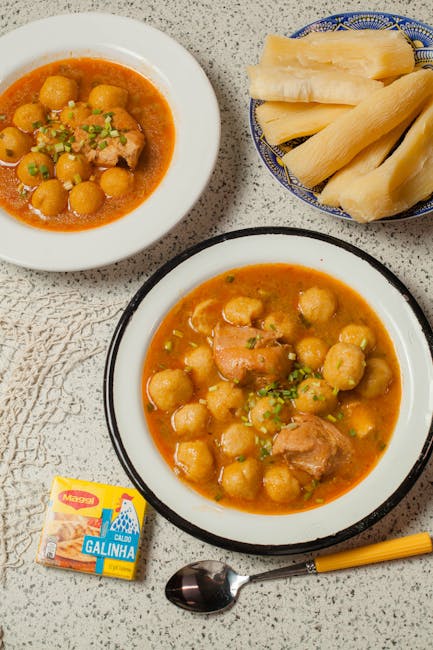
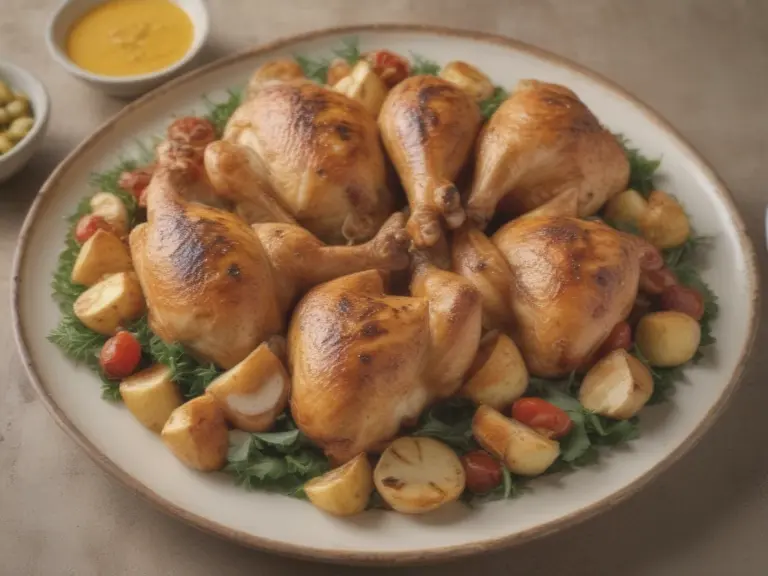
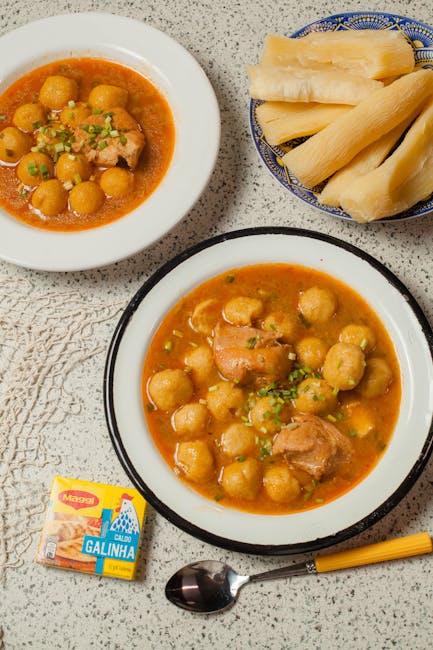
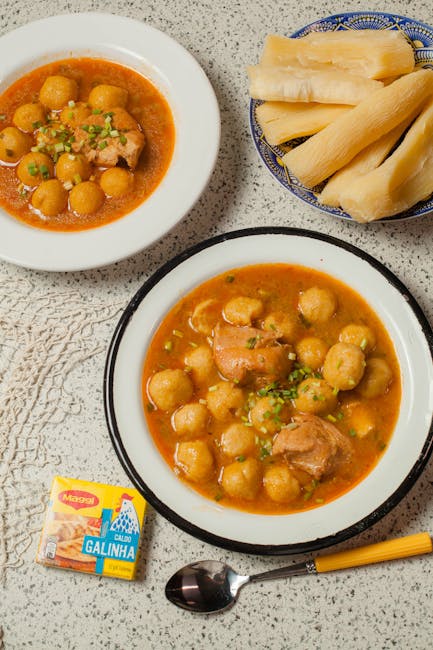
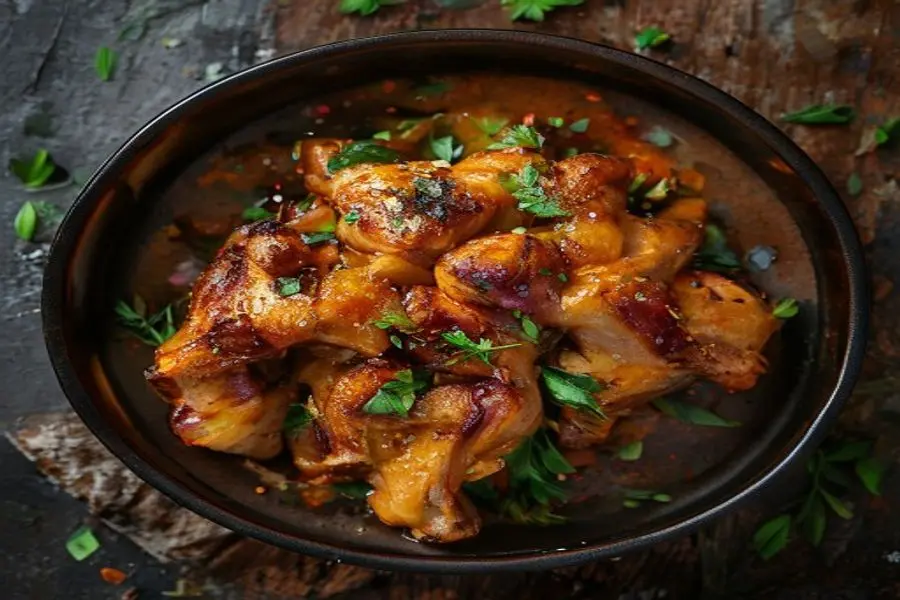
“This old-fashioned stew rescues the essence of comfort cooking in a slow cook of golden chicken thighs and drumsticks, stewed with soft potatoes, carrots, peeled tomatoes, and sprigs of fresh thyme and rosemary. A hearty stew with a velvety broth and meats that melt on the plate.”
What you need to know
- A douração paciente dos pedaços de frango enfarinhados cria a crosta saborosa que ancora todo o fundo da panela
- O cozimento brando de 90 minutos em panela tampada amacia as fibras musculares sem desmanchar os legumes
- O amido das batatas aliado à farinha confere densidade encorpada e brilho sedoso ao caldo caseiro
Ingredients
Main
- units (approx. 1.5 kg) Chicken thighs and drumsticks
- cup All-purpose flour
- tablespoons Extra virgin olive oil
- unit (chopped) Cebola média
- dentes (picados) Garlic
- units (in thick slices) Cenouras médias
- units (peeled and cut into large cubes) Medium potatoes
- unidade (picado) Red bell pepper
- grams (chopped with juice) Tomates pelados (em lata)
- ml Homemade chicken broth
- cup (optional) Vinho branco seco
- units Bay leaves
- units Fresh thyme sprigs
- unit Fresh rosemary sprigs
- tablespoons (for finishing) Salsa fresca picada
- Salt
- Freshly ground black pepper
- teaspoon (optional) Smoked paprika
Instructions
Principal
- Season the chicken: Pat the chicken thighs and drumsticks dry with paper towels. Season generously with salt, black pepper, and smoked paprika, if using. Then, pass each piece in the wheat flour, removing the excess. This step is crucial to sear the chicken and create a rich flavor base. The secret to this recipe is the initial caramelization of the meat.
- Brown the chicken: In a large heavy-bottomed pot (preferably cast iron) or Dutch oven, heat the olive oil over medium-high heat. Brown the chicken pieces on all sides, until they are well golden. Work in batches so as not to overcrowd the pan and cook evenly. Remove the chicken and set aside. This process forms a tasty crust that will loosen into the sauce.
- Refogue os aromáticos: In the same pan, add another drizzle of olive oil if necessary. Reduce the heat to medium and sauté the chopped onion for about 5 minutes, until soft and translucent. Add the minced garlic and bell pepper, sautéing for another 2 minutes, until fragrant. The most important tip is not to burn the garlic, as it becomes bitter.
- Deglaze (optional): If using white wine, add it to the pan and scrape the bottom with a wooden spoon to release all the browned bits. Let the wine reduce by half, about 2-3 minutes. This process adds an extra layer of complexity and acidity, enhancing all the flavors. In simple terms: It deglazes the pan while adding flavor.
- Add the liquids and seasonings: Return the chicken to the pan. Add the carrots, potatoes, whole peeled tomatoes (with their juice), chicken broth, bay leaves, thyme, and rosemary. Stir gently to incorporate the ingredients. Make sure the liquid covers most of the chicken and vegetables.
- Cook slowly: Bring the stew to a boil, then reduce the heat to the minimum, cover, and cook for 1h30 to 2h, or until the chicken falls apart and vegetables are soft. Stir occasionally. The secret of this recipe is the slow and gentle cooking, which tenderizes the meat and refines the flavors in an irresistible and deep way.
- Ajuste e finalize: Remove the bay leaves and herb sprigs. Check the seasoning, adjusting salt and pepper if necessary. If the sauce is thin, thicken it with a little broth and cornstarch. Finish with chopped fresh parsley. The professional technique is to taste and adjust the seasoning before serving, ensuring the perfect balance of flavor.
- Rest and serve: Let the stew rest for about 10-15 minutes before serving. This allows the flavors to accentuate and the sauce to reach the ideal consistency. Sirva quente. It is a preparation that improves even more the next day, as the flavors continue to develop in the refrigerator.
Chef's tips
- Seque a pele do frango com papel-toalha antes de enfarinhar para garantir que a carne doure intensamente no azeite quente
- Corte as batatas e cenouras em pedaços grandes para que suportem o longo tempo de cozimento sem desmanchar
- Deixe o ensopado descansar por 15 minutos fora do fogo antes de servir para que o molho assente e apure os temperos
Variations
- Adicione 1 xícara de ervilhas frescas congeladas nos últimos 5 minutos de cozimento para adicionar cor verde vibrante
- Incorpore meia xícara de azeitonas verdes sem caroço e cogumelos frescos fatiados para um perfil camponês rústico
- Finalize polvilhando folhas de salsa fresca picada e raspas finas de casca de limão siciliano (gremolata)
Substitutions
- As coxas e sobrecoxas podem ser substituídas por frango caipira em pedaços, aumentando o tempo de fogo brando em 30 minutos
- O vinho branco seco pode ser substituído pela mesma quantidade de caldo de frango misturado com 1 colher de limão
- As batatas inglesas podem ser trocadas por batata-doce em cubos grandes, mandioca ou mandioquinha
How to store
Store the stew in a covered pot or dish in the refrigerator for up to 4 days. Like any traditional stew, the flavors become even more integrated and deeper when reheated on the second day over low heat.
Can it be frozen?
Freeze the stew in airtight containers for up to 60 days in the freezer. Potatoes may show slight loss of firmness after thawing, but the sauce and meats will maintain excellent flavor and texture.
What to serve with
It pairs exemplarily with fluffy white rice, creamy corn polenta, or slices of rustic artisanal bread. To pair as a drink, serve with a soft red wine like Merlot or craft amber beer.
Frequently asked questions
Is it necessary to remove the chicken skin before cooking?
The skin provides flavor and fat to the sauce; you can remove the skin if you prefer a leaner version without changing the technique.
Why did the broth become very thin in the pot?
Remove the lid for the last 15 minutes and keep at a gentle boil so the water evaporates and the potato starch thickens the broth.
Can I make the stew using cubed chicken breast?
Chicken breast dries out easily during long cooking; prefer thighs and drumsticks that have collagen and flavorful bones.
Can I make this recipe in a pressure cooker?
Yes, after browning the meat and vegetables, seal the pressure and cook for 20 to 25 minutes after the valve starts hissing over medium-low heat.