- Prep
- 20 min
- Cook
- 30 min
- Total time
- 50 min
- Yield
- 4 servings
- Difficulty
- EASY
- Calories
- 540 kcal
Quick summary
“Classic panna cotta is a traditional Piedmontese dessert made with fresh heavy cream cooked with sugar and vanilla, delicately structured with unflavored gelatin. It is worth making for its velvety texture that slides in the mouth with extreme smoothness, requiring only fifteen minutes of initial preparation on the stove.”
What you need to know
- Heat the heavy cream with sugar and vanilla over low heat just until dissolved, without letting it come to a boil.
- Hydrate the gelatin leaves in very cold water for 5 minutes and squeeze with your hands before dissolving in the hot liquid.
- Chill the panna cotta in individual glasses or greased molds for at least 4 hours until it sets with a wobbly firmness.
Ingredients
Main
- 500 ml of fresh heavy cream
- 100 g of sugar
- 2 teaspoons of vanilla extract
- 3 sheets unflavored gelatin
- 100 ml of milk
Instructions
Principal
- Start by hydrating the gelatin sheets in cold water for about 5 minutes.
- In a pot, heat the heavy cream with the sugar and vanilla extract over low heat, without letting it boil.
- Add the well-drained gelatin leaves to the hot cream and mix until the gelatin is completely dissolved.
- Pour the mixture into small cups or a pudding mold and refrigerate for at least 4 hours, or until firm.
- To unmold, dip the pan in warm water for a few seconds and turn over onto the plate.
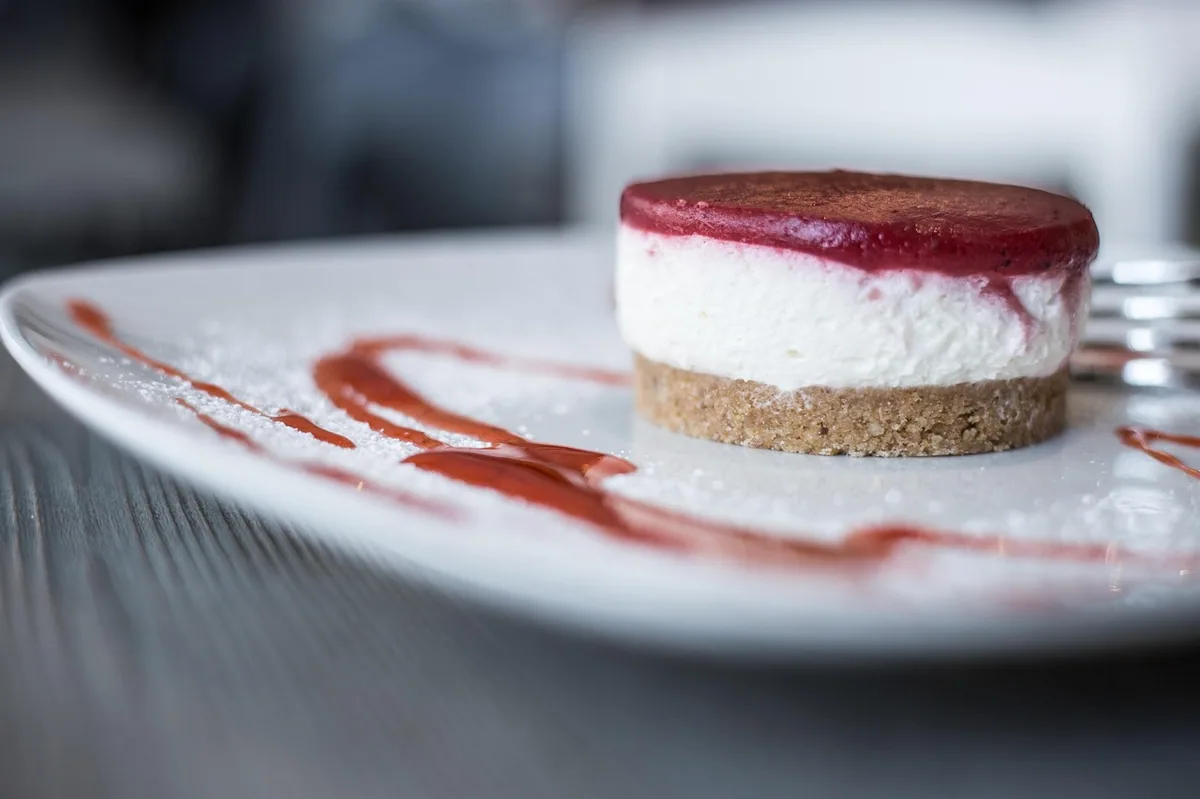
- Garnish with red berries or fruit coulis of your choice before serving.
Chef's tips
- Use real vanilla bean or pure natural extract instead of artificial flavoring to ensure deep flavor and visible dots.
- If using unflavored powdered gelatin, hydrate 10g in 50ml of cold water before heating and incorporating into the hot cream.
- To unmold with a perfect finish, dip the bottom of the mold in warm water for 5 seconds and detach the edge with your fingertips.
Variations
- Panna cotta with coffee: add a shot of strong espresso or 1 teaspoon of instant coffee to the heated cream.
- Lemongrass or tonka bean infusion: lightly boil lemongrass leaves or grate a third of a tonka bean into the heavy cream.
- Citrus version with zest: add thin strips of tangerine or orange peel during heating and remove before molding.
Substitutions
- Fresh heavy cream: can be replaced with fresh pasteurized cream or canned heavy cream without whey diluted in milk.
- Cow's milk: use thick plant-based milk such as culinary coconut milk or homemade unsweetened almond milk.
- Leaf gelatin: Use 1 sachet (12g) of unflavored powdered gelatin hydrated according to the package instructions.
How to store
Store portions in the refrigerator covered with plastic wrap pressed against the surface for up to 4 days. Keep under constant refrigeration until the exact moment of serving so it doesn't soften on hot days.
Can it be frozen?
It is not recommended to freeze panna cotta; the freezing process breaks the structure of the gelatin, causing the dessert to release water and curdle when thawing.
What to serve with
Serve topped with a shiny berry sauce, warm rustic fig compote, or a fragrant port wine reduction. An almond cantucci-type cookie on the side provides an impeccable crunchy contrast.
Frequently asked questions
Can I serve directly in glasses without unmolding?
Yes, serving in glass cups or individual pots is very practical and eliminates the unmolding step.
How to unmold without breaking the dessert?
Run a smooth, wet knife just over the top edge to break the vacuum after quickly dipping the mold in warm water.
My panna cotta turned out too hard, what happened?
Excess gelatin gives a rubbery consistency; the ideal panna cotta should be delicately firm and tremble slightly on the plate.
Why can't the heavy cream boil during preparation?
Boiling can alter the fat structure of the heavy cream, leaving a cooked aftertaste and separating the fat from the emulsion.
You might also like