- Prep
- 15 min
- Cook
- 35 min
- Total time
- 50 min
- Yield
- 4 servings
- Difficulty
- Easy
- Calories
- 420 kcal
Quick summary
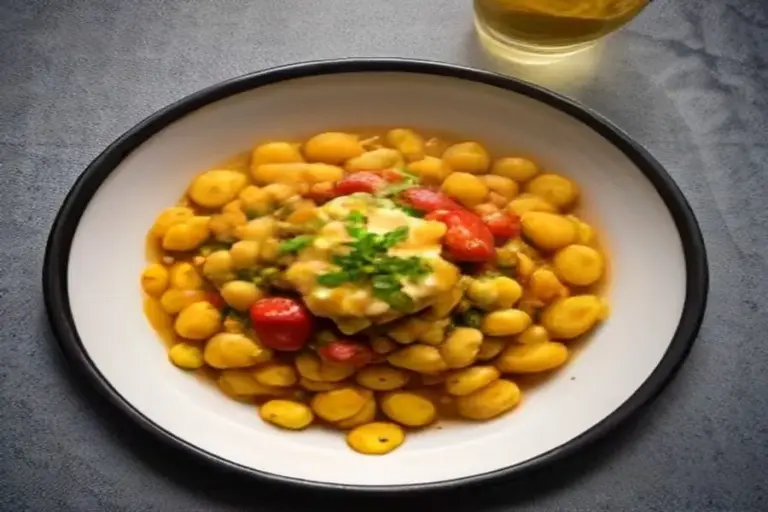
“A rustic and traditional Italian dish that unites short pasta with a full-bodied broth of chickpeas, peeled tomatoes, and mirepoix sauté. Cooked in a single pot, it achieves enveloping creaminess from the mashed legumes.”
What you need to know
- The slow sauté of onion, carrot, celery, and garlic forms the sweet and deep aromatic base of the soup.
- Mashing 1/3 of the chickpeas with a fork releases starch and thickens the broth naturally without adding flour.
- The short pasta cooks directly in the broth with peeled tomatoes, absorbing all the seasonings from the pot.
Ingredients
Main
- tablespoons Extra virgin olive oil
- cloves Minced garlic
- unit Chopped onion
- unit Small chopped carrot
- stalk Chopped celery
- grams Tomate pelado picado
- grams Cooked chickpeas (drained and rinsed)
- liters Vegetable broth
- grams Short pasta (ditalini, tubetti, small shells)
- tablespoons Fresh chopped parsley
- Freshly ground black pepper
- Salt
- (optional, for serving) Grated Parmesan
Instructions
Principal
- In a large, deep pan, heat the olive oil over medium heat. Add the minced garlic and sauté for about 1 minute, until fragrant, without letting it brown so it doesn't turn bitter. This is the first step to building the aromatic base of your dish, ensuring a delicate flavor from the beginning of the preparation.
- Add the onion, carrot, and celery (mirepoix). Sauté for 5 to 7 minutes, stirring occasionally, until the vegetables are soft and translucent. This step releases the natural sugars of the vegetables, creating a layer of sweetness and complexity that will be fundamental for the final broth of the Pasta e Ceci.
- Add the chopped peeled tomato to the pan. Cook for another 5 minutes, mashing the larger pieces with a spoon. This helps to concentrate the tomato flavor, which will form the acidic and fruity backbone of the sauce. The tomato needs to cook to lose its excessive acidity and integrate harmoniously.
- Add the cooked chickpeas. Remove about 1/3 of the chickpeas and mash them coarsely with a fork before returning to the pan. The mashed grains will help thicken the broth and provide a creamy texture, while the whole grains will provide a pleasant and varied bite.
- Pour the hot vegetable broth into the pan. Season with salt and black pepper. Bring to a boil and then reduce the heat, letting it cook for about 10 minutes so that the flavors incorporate well. This time is crucial for the fusion of all ingredients, creating a surprising depth of flavor.
- Add the short pasta directly to the pot with the broth. Cook according to package instructions, or until al dente. Stir frequently to prevent the pasta from sticking to the bottom and to ensure it cooks evenly, absorbing the rich flavors of the broth and releasing starch for creaminess.
- Verifique a consistência; if the sauce is too thick, add a little more hot vegetable broth. Pasta e ceci should be creamy, but not dry. Adjust the salt and pepper, if necessary, and finish with the chopped fresh parsley. Serve immediately, with grated parmesan on top, if desired.
Chef's tips
- Use short durum wheat pasta like ditalini or elbow macaroni to maintain a firm texture throughout cooking.
- Monitor the liquid level during pasta boiling and add ladles of hot broth if it starts to dry out.
- Serve drizzled with a generous drizzle of raw extra virgin olive oil and freshly ground black pepper on each plate.
Variations
- Add a clean parmesan cheese rind to the broth during boiling to infuse umami flavor into the dish.
- Add sliced collard greens or chard leaves in the last 5 minutes of pasta cooking.
- Sauté a small piece of pancetta or chopped bacon along with the garlic to provide smoky notes.
Substitutions
- Canned chickpeas can be replaced by dried chickpeas cooked previously in a pressure cooker.
- Canned whole peeled tomatoes can be swapped for 4 ripe fresh tomatoes, peeled and finely chopped.
- Ditalini pasta can be replaced by padre-nosso, conchiglioni, or spaghetti broken into pieces.
How to store
Conserve em vasilha hermética na geladeira por até 3 dias. Como a massa absorve líquido enquanto esfria, adicione 1/2 xícara de caldo ou água fervente ao reaquecer em panela em fogo baixo.
Can it be frozen?
Freeze only the chickpea base with vegetables and broth without the pasta for up to 90 days. Add raw pasta to cook in the pot only when ready to thaw and serve.
What to serve with
Accompanied by slices of rustic bread toasted with garlic and olive oil, freshly grated parmesan cheese, and light red wine.
Frequently asked questions
How to achieve the typical creaminess of Italian pasta e ceci without using cream?
The secret is mashing part of the cooked chickpeas and cooking the mixture directly in the broth; the starch that the pasta releases when cooking emulsifies with the chickpea puree.
Can I use cannellini beans instead of chickpeas?
Yes, the equivalent classic recipe is called 'Pasta e Fagioli', working with the same technique of mashing part of the beans to thicken the aromatic broth.
Does celery make a big difference in the flavor of the sauté?
Yes, the classic trio of onion, carrot, and celery (mirepoix) creates an essential aromatic harmony that defines the authenticity of traditional Italian broths.
Does the dough not soften too much if it stays in the hot pan?
Turn off heat while pasta is still al dente with slight resistance at the center, as it finishes softening while bringing the pot to the table.