- Prep
- 20 min
- Cook
- 30 min
- Total time
- 50 min
- Yield
- 4 servings
- Difficulty
- EASY
- Calories
- 575 kcal
Quick summary
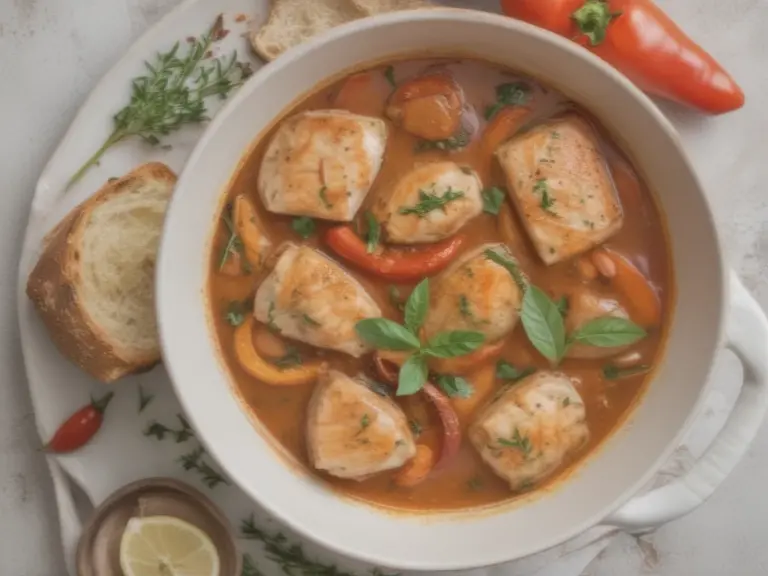
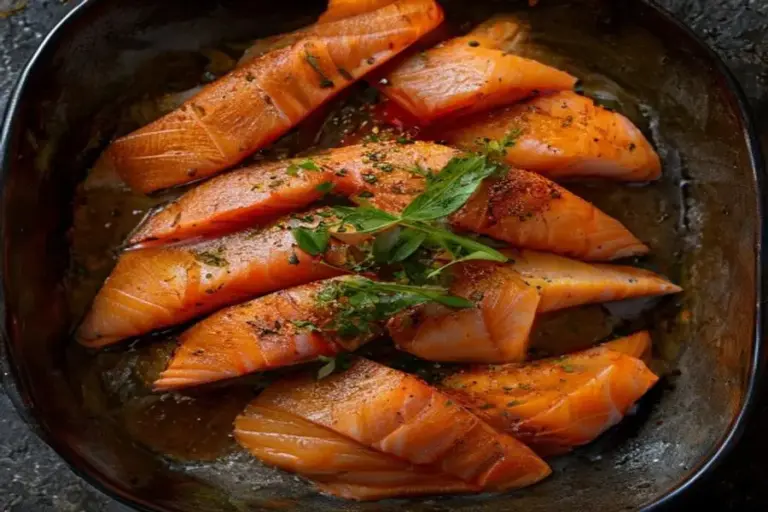
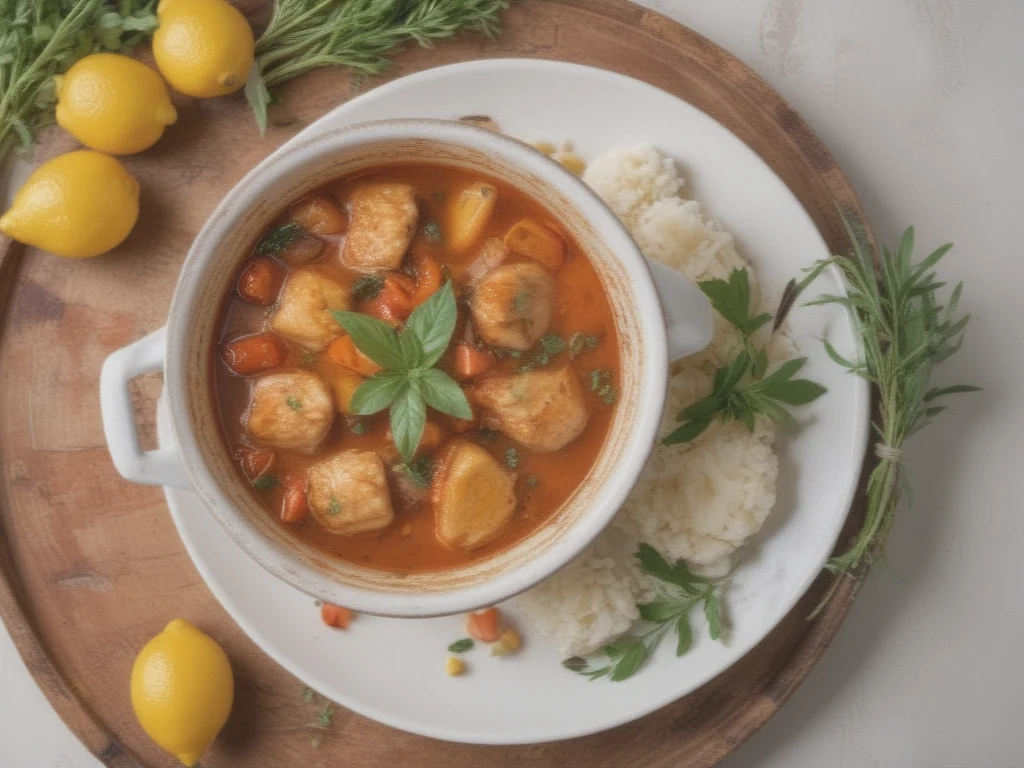
“Traditional Afro-Brazilian stew made with noble fish steaks marinated in lemon, slow-cooked in layers with onion, ripe tomato, and red bell pepper. Drizzled with fresh coconut milk and fragrant palm oil, it reaches a velvety orange broth perfumed with fresh cilantro.”
What you need to know
- Marinating the steaks in lemon and salt firms the protein texture of the fish before the pan.
- Placing the fish on the bed of vegetables in the palm oil prevents the skin from sticking to the bottom.
- Cooking without stirring with a spoon keeps the slices intact, just shake the pan by the handles.
Ingredients
Main
- 1 kg of fish steaks (preferably sea bass or grouper)
- 200 ml of coconut milk
- 100 ml of palm oil
- 1 large onion, chopped
- 2 tomates picados
- 1 red bell pepper, chopped
- 2 cloves garlic, minced
- Fresh cilantro to taste
- Salt and black pepper to taste
- Juice of 1 lemon
Instructions
Principal
- Start by marinating the fish with lime juice, salt, and black pepper for about 20 minutes.
- In a large pot, heat the palm oil and sauté the onion until translucent.
- Add the minced garlic and cook for another 1 minute, taking care not to burn.
- Add the tomatoes and bell pepper and cook until soft.
- Place the fish steaks in the pan and add the coconut milk, covering the fish.
- Let it cook over medium heat for about 25-30 minutes, without stirring, so as not to break the fish.
- Finish with chopped fresh cilantro and adjust the salt, if necessary.
- Turn off the heat and let rest for a few minutes before serving.
Chef's tips
- Choose thick steaks of firm fish like sea bass or grouper so they don't crumble in the sauce.
- The use of a traditional clay pot preserves the constant temperature and enhances the flavor of the dende oil.
- Keep the pan covered over low heat so the vegetables wilt and release aromatic liquid.
Variations
- Bahian Mixed Moqueca: add five hundred grams of medium cleaned shrimp over the fish in the last ten minutes of heat.
- Seafood Moqueca: add cleaned mussels and squid rings to the stew for a rich coastal composition.
- Moqueca Vegetariana de Banana-da-Terra: replace the fish with thick slices of ripe plantain cooked in dendê oil.
Substitutions
- Snook or grouper can be replaced by weakfish, yellow hake in high steaks, or clean fresh dogfish.
- The palm oil can be reduced by half and complemented with olive oil if you prefer a less heavy profile.
- For those who reject fresh cilantro, use fresh flat-leaf parsley leaves chopped with aromatic green onions.
How to store
Store in the refrigerator in a closed glass jar for up to two days due to the fragility of the fish and coconut milk. Reheat over low heat with a lid adding two tablespoons of water; avoid stirring to keep the fish steaks whole.
Can it be frozen?
It's not recommended to freeze moqueca with cooked fish, as the meat becomes watery and the coconut milk emulsified with dendê oil tends to curdle when reheated. Always consume fresh.
What to serve with
Harmonize with fluffy white rice, dense pirão made with the moqueca's own broth, cassava flour, and yellow dendê farofa.
Frequently asked questions
How to prepare traditional pirão from moqueca?
Remove two ladles of the boiling moqueca broth to a small pot and add fine cassava flour little by little, stirring with a whisk.
Why shouldn't you stir the moqueca with a spoon during cooking?
The cooked fish fillets are extremely delicate; stirring with a spoon breaks the fibers and turns the dish into broken pieces.
Should the dende oil be added at the beginning or at the end?
In the Bahian recipe, the palm oil (dendê) goes into the initial sauté of the vegetables and an extra drizzle can be sprinkled on the finish with the cilantro.
What is the best type of pan to cook Moqueca Baiana?
The clay pot is the most recommended due to its excellent thermal inertia, but an iron or stainless steel pot with a thick bottom fulfills the function well.
You might also like