- Prep
- 20 min
- Cook
- 30 min
- Total time
- 50 min
- Yield
- 4 servings
- Difficulty
- EASY
- Calories
- 420 kcal
Quick summary
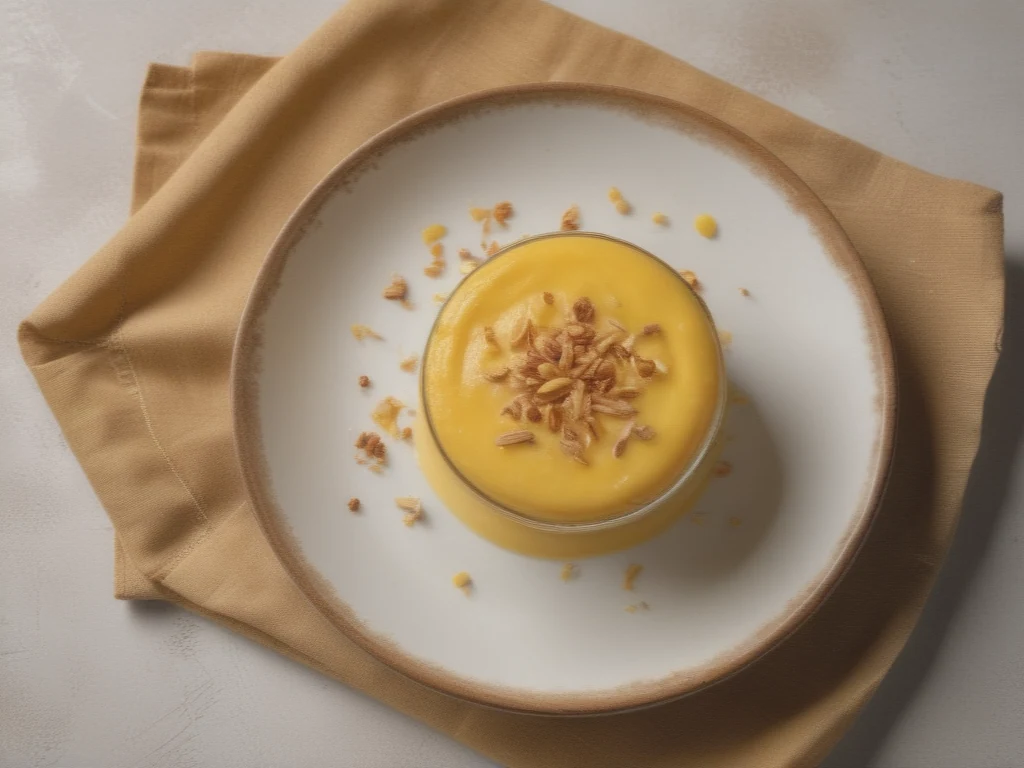
“Quindim is a traditional Luso-Brazilian dessert famous for the spontaneous separation of layers during the bain-marie: a glassy and golden base of egg yolks under a compact layer of coconut. The professional technique is that the egg yolks are carefully sifted to ensure a velvety texture without lumps. Baked in molds greased with butter and sugar, the sweet acquires a mirrored shine and soft texture when cut.”
What you need to know
- Sieve the yolks without scraping with the spoon to eliminate the protective film responsible for the egg odor.
- Grease the pan with butter and sprinkle generously with crystal sugar to create a shiny crust when unmolding.
- Bake exclusively in a gentle double boiler at 180°C with preheated water to ensure a soft texture without bubbles.
Ingredients
Main
- 1 cup sugar
- 1/2 cup water
- 1 cup of coconut milk
- 6 egg yolks
- 1 tablespoon of melted butter
- 1 pinch of salt
Instructions
Principal
- In a saucepan, mix the sugar and water and bring to a boil until it forms a syrup at the thread stage.
- Add the coconut milk and melted butter to the syrup and mix well.
- Remove from the heat and, while still hot, add the egg yolks one by one, stirring constantly.
- Add the pinch of salt and mix until you get a homogeneous dough.
- Grease the flan mold with butter and pour in the mixture.
- Take to the oven in a bain-marie for approximately 30 minutes.
- After the time, check the cooking with a toothpick. If it comes out clean, it's ready.
- Remove from the oven and let cool before unmolding.
- Serve chilled or at room temperature.
Chef's tips
- Let the batter rest for 25 minutes in the pan before baking to favor the natural settling of the shredded coconut.
- Line the bain-marie baking sheet with a clean kitchen towel under the molds to cushion the boiling of the water at the bottom.
- Unmold the sweet while still slightly warm; when cold, the sugar syrup crystallizes and sticks the batter to the pan.
Variations
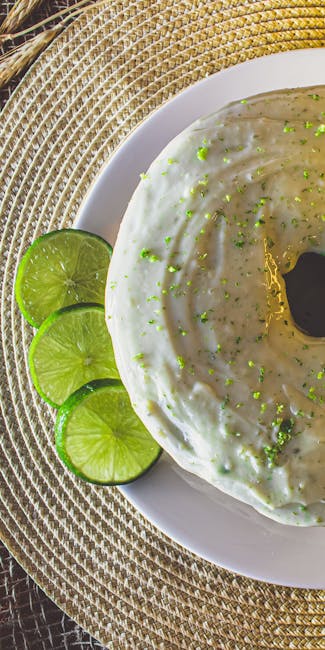
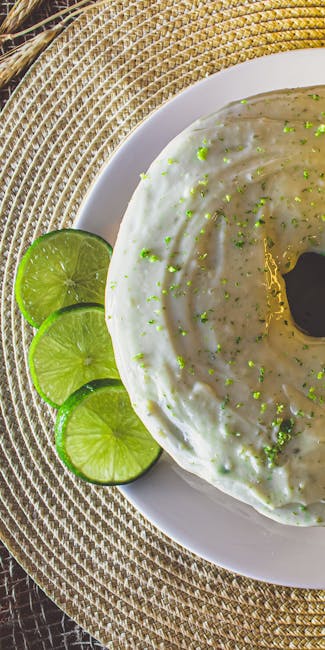
- Family-sized Quindão: bake the mixture in a 20-centimeter bundt pan for 50 minutes in a water bath.
- Passion fruit Quindim: replace half of the coconut milk with concentrated passion fruit juice to give an acidic touch.
- Party miniquindins: bake the dough in 5-centimeter tartlet molds for 25 minutes to serve individually.
Substitutions
- Industrialized coconut milk can be swapped for thick artisanal coconut milk extracted from fresh pulp.
- Common unsalted butter can be replaced by clarified butter (ghee) to accentuate the transparency of the top.
- Refined sugar can be swapped for fine crystal sugar, dissolved in the warm syrup without leaving granules in the dough.
How to store
Keep in a closed container in the refrigerator for up to 6 days. The refrigerated environment maintains the firmness of the egg yolk layer and protects the mirror shine of the surface.
Can it be frozen?
It is not recommended to freeze the ready-made quindim. The cooked egg yolks and syrup undergo syneresis during thawing, releasing water and compromising the dessert's velvety texture.
What to serve with
Serve chilled accompanied by pure medium-roast drip coffee, thin slices of orange, or fresh red berries to balance the sweetness of the yolks.
Frequently asked questions
Why did the quindim break when unmolding?
Unmolding with the mold very hot breaks the still fragile dough; unmolding completely cold makes the caramelized sugar stick to the bottom. Always unmold when slightly warm.
What is the correct water temperature in the water bath?
The water added to the roasting pan must be very hot (about 80°C), but not boiling violently. Agitated boiling water generates air bubbles in the quindim dough.
Is it mandatory to let the dough rest before the oven?
The 20 to 25 minute rest is highly recommended. This interval allows the light coconut particles to rise and the egg yolk syrup to descend, creating the two distinct layers.
How do I remove the strong egg smell from the quindim?
Pass the yolks through a fine sieve, letting them drain by gravity, without rubbing with the spoon. The film that surrounds the yolk is retained in the mesh, eliminating characteristic odors.
You might also like