- Prep
- 20 min
- Cook
- 30 min
- Total time
- 50 min
- Yield
- 4 servings
- Difficulty
- EASY
- Calories
- 505 kcal
Quick summary
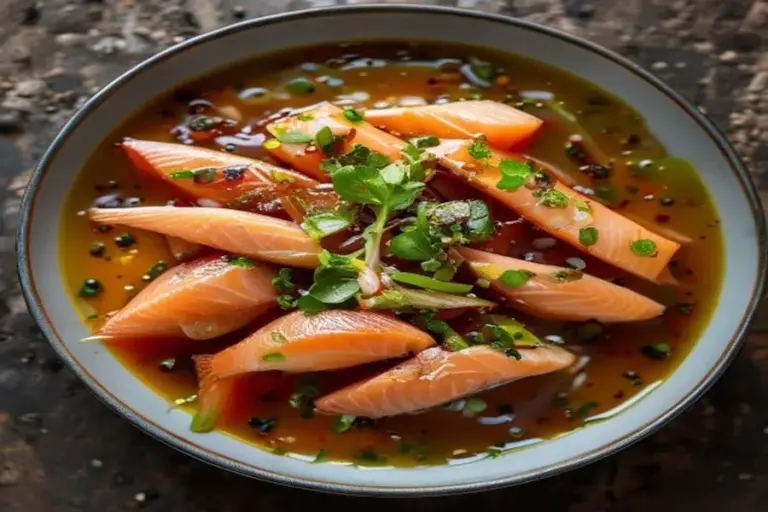
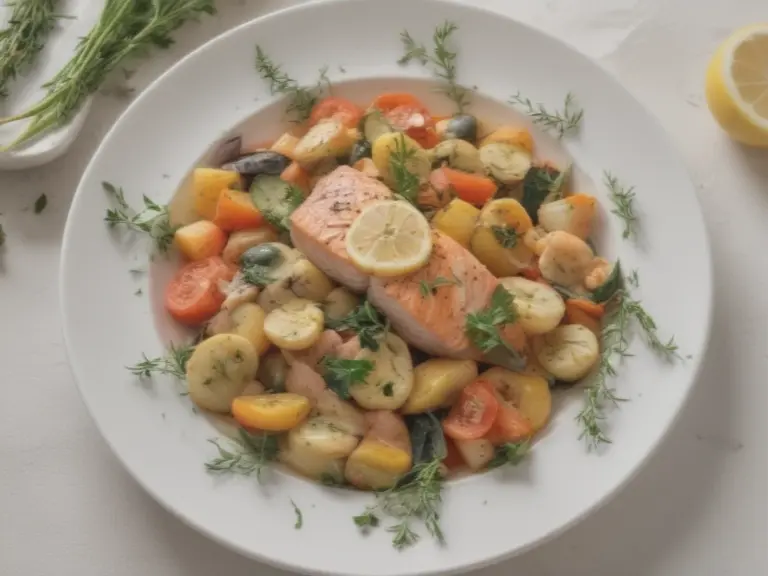
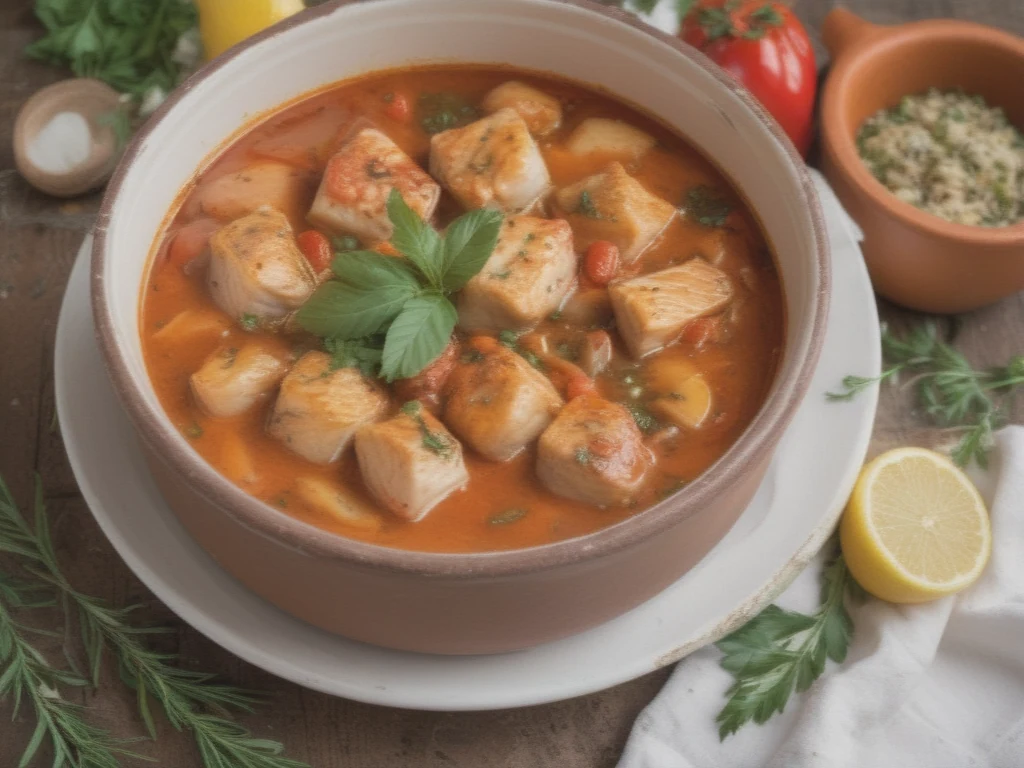
“Traditional coastal dish from Espírito Santo prepared with fresh fish steaks marinated in lemon, sautéed in generous layers of onion, melted ripe tomatoes, and aromatic olive oil with chopped fresh cilantro. Without adding water, it refines over low heat generating a clear and balanced broth.”
What you need to know
- The ripe tomatoes broken down with the onions generate the natural broth of the moqueca without adding water.
- The fish cooks in the gentle steam generated by the vegetables under the covered pan for twenty minutes.
- Fresh cilantro with lemon juice at the end provides aromatic balance and lightness to the stew.
Ingredients
Main
- 1 kg of fresh fish (tilapia or sea bass)
- 2 medium onions, sliced
- 3 ripe tomatoes, chopped
- 1/2 cup of palm oil
- 1/2 cup chopped cilantro
- 2 limões (suco)
- Salt and pepper to taste
Instructions
Principal
- Clean the fish well and season with salt, pepper, and lemon juice, letting it marinate for 10 minutes.
- In a large pan, heat the palm oil and sauté the onions until they are transparent.
- Add the chopped tomatoes and cook until they break down, forming a sauce.
- Place the fish in the pan, cover, and cook over low heat for about 20 minutes.
- Add the chopped cilantro and adjust the salt if necessary.
- Cook for another 5 minutes and, if you prefer, add more palm oil.
- Turn off the heat and let rest for a few minutes before serving.
- Serve hot with white rice and pirão.
Chef's tips
- Use very ripe tomatoes to obtain a broth rich in color and pleasant acidity without additives.
- Limit the marinade with lemon to ten minutes so as not to harden the surface of the meat before the fire.
- Arrange the steaks side by side in a single layer to ensure identical cooking throughout the pan.
Variations
- Moqueca Capixaba with Shrimp: add three hundred grams of cleaned medium shrimp over the steaks in the final five minutes of heat.
- Moqueca de Siri Catado: replace the fish with pure shredded crab meat sautéed in the same vegetables and aromatic olive oil.
- Banana Version: add slices of pre-cooked plantain to the side of the clay pot to accompany the fish.
Substitutions
- Tilapia or sea bass can be replaced by grouper, fresh dogfish, namorado, or rockfish cut into thick steaks.
- The spiced oil can be prepared with olive oil and annatto seeds (authentic traditional Capixaba colorau).
- Fresh cilantro can be swapped for finely chopped flat-leaf parsley with green onions for those sensitive to cilantro.
How to store
Store in the refrigerator in a well-sealed glass container for up to two days. To heat while maintaining the softness of the fish, place over low heat in a covered pan for five minutes; avoid heating in the microwave so as not to dry out the fillets.
Can it be frozen?
Freezing not recommended for fish cooked in fresh sauce, as defrosting releases water and alters the texture of the fibers that crumble. Always consume the preparation fresh.
What to serve with
Serve traditionally with very loose white rice, velvety capixaba fish stew (pirão), and fresh pickled malagueta pepper sauce.
Frequently asked questions
What is the historical difference between Moqueca Capixaba and Moqueca Baiana?
The Capixaba tradition uses olive oil and annatto (achiote dye), without coconut milk; the Bahian version takes dendê oil and coconut milk.
Why is the Goiabeiras clay pot so recommended?
Handcrafted with clay from the Capixaba mangrove, it retains heat gently and gives a unique cultural identity to the fish cooking.
Is it necessary to add water to cook moqueca?
Do not add water; the dish's liquid is produced entirely by the natural water of the ripe tomatoes and sliced onions.
How to prepare the traditional capixaba fish stew?
Mix raw cassava flour with boiling broth taken from the moqueca over low heat until reaching a creamy and homogeneous texture.