- Prep
- 20 min
- Cook
- 30 min
- Total time
- 50 min
- Yield
- 4 servings
- Difficulty
- EASY
- Calories
- 125 kcal
Quick summary
“Creamy scrambled eggs cooked over low heat with melted butter, gently stirred with a spatula, and finished with fresh chopped chives. An elementary culinary technique that transforms basic ingredients into a velvety texture worthy of a hotel.”
What you need to know
- Continuous low heat is the determining factor for the eggs to coagulate slowly into silky, soft folds.
- The delicate movement of the spatula pulling from the edges to the center forms velvety ribbons without breaking the eggs into crumbs.
- Removing the pan from the heat while the eggs still look slightly moist takes advantage of the residual heat to reach the exact creaminess.
Ingredients
Main
- 4 large eggs
- 2 tablespoons butter
- 1/4 teaspoon of salt
- 1/4 teaspoon black pepper (optional)
- Chopped chives to taste (optional)
Instructions
Principal
- Crack the eggs into a bowl and beat with a whisk or fork until the whites and yolks are well mixed.
- Place the butter in the pan and heat over low heat until melted.
- Pour the beaten eggs into the pan and let cook without stirring for about 30 seconds.
- Use the spatula to stir gently, lifting the edges and allowing the still-liquid eggs to flow to the bottom of the pan.
- Continue stirring gently until the mixture begins to coagulate, but is still slightly creamy.
- Add the salt and black pepper and mix gently.
- Remove from the heat when the eggs are cooked, but still creamy.
- Finish with chopped chives, if desired, and serve immediately.
Chef's tips
- Beat the eggs with a whisk or fork until there is no longer visible separation between whites and yolks before taking to the pan.
- Use a small non-stick skillet and a heat-resistant silicone spatula to scrape the entire bottom continuously.
- Season with salt and pepper only at the very end of cooking to prevent the salt from drawing out water prematurely from the raw egg yolks.
Variations
- Finish by sprinkling finely grated Parmesan cheese or crumbled goat cheese over the creamy eggs right after turning off the stove.
- Sauté thin slices of fresh mushrooms in butter before pouring in the eggs for a substantial breakfast.
- Add a pinch of freshly grated nutmeg and coarsely ground black pepper to elevate the aroma.
Substitutions
- The butter can be replaced by clarified butter (ghee) to tolerate low heat without burning milk solids.
- Chopped chives can be replaced by chopped fresh parsley, fresh thyme, or small basil leaves.
- For an enriched version, add 1 tablespoon of fresh heavy cream or creamy requeijão in the last 20 seconds of heat.
How to store
Scrambled eggs should be served and enjoyed immediately after coming out of the skillet to maintain the creamy texture. Leftovers lose creaminess quickly, but can be kept in a covered container for up to 24 hours and reheated in a gentle bain-marie.
Can it be frozen?
It is not recommended to freeze scrambled eggs. Freezing destroys the protein emulsion and moisture bonds of coagulated eggs, releasing yellowish water and leaving the eggs hard, spongy, and without characteristic flavor after thawing.
What to serve with
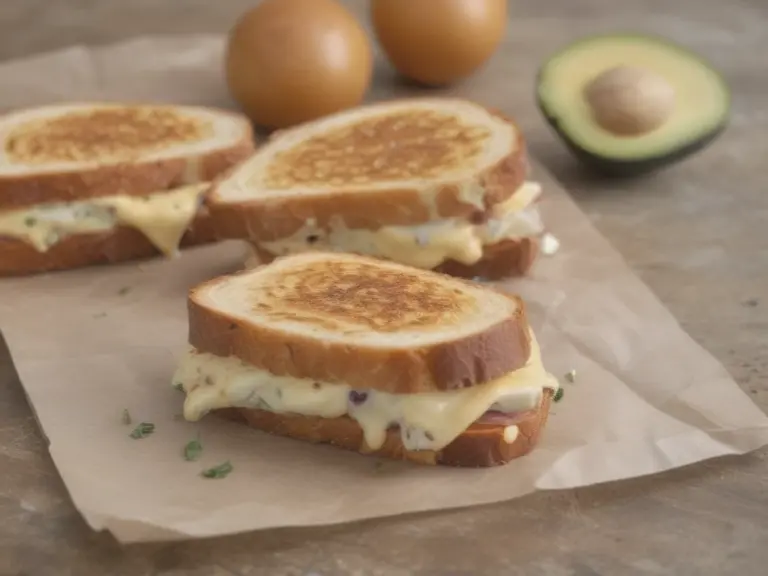
Serve over thick slices of sourdough bread toasted in butter, accompanied by avocado slices seasoned with olive oil and crispy bacon. A fresh brewed coffee without sugar completes the breakfast.
Frequently asked questions
Why did my scrambled eggs get burnt brown spots?
This occurs when the pan reaches excessive temperature or if the butter burns before the eggs are added; always use minimum flame and pour as soon as the butter melts.
How to prevent scrambled eggs from becoming dry and crumbly?
Keep the heat very low from start to finish and turn off the flame when the mixture still looks 10% wetter than the desired point, allowing the hot pot to finish the cooking.
Should I add milk or heavy cream to the eggs before beating?
For the classic technique of creamy scrambled eggs, pure eggs emulsified with butter produce a velvety texture without the risk of releasing water; additional dairy is optional.
What is the ideal type of spatula for handling eggs?
A flat silicone spatula with flexible edges allows you to scrape the curves of the bottom of the pot with precision, sweeping the cooked layers without tearing the velvety lumps.
You might also like