- Prep
- 20 min
- Cook
- 30 min
- Total time
- 50 min
- Yield
- 4 servings
- Difficulty
- EASY
- Calories
- 485 kcal
Quick summary
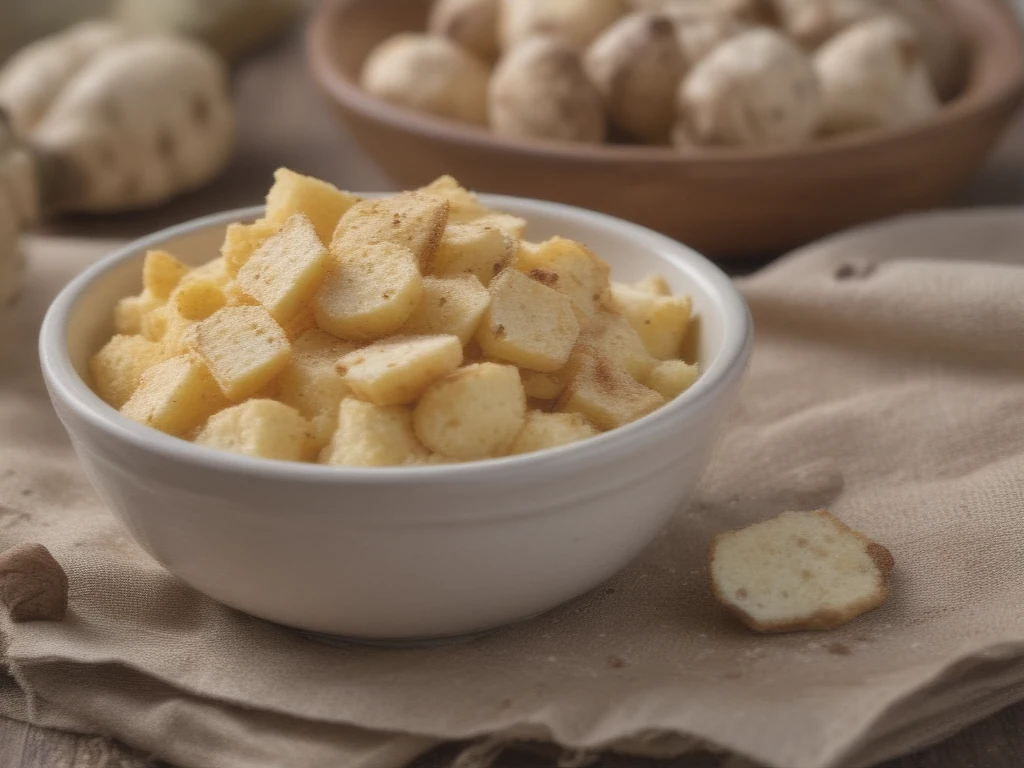
“Homemade farofa golden in butter with a sauté of onion, garlic, finely grated carrot, and chopped olives, finished with fresh green parsley. A crunchy, aromatic, and versatile side dish from the Brazilian table, essential to enhance roasts and everyday dishes.”
What you need to know
- Cooking the butter with the onion and garlic creates a golden aromatic base that hydrates the cassava flour grains.
- Gradually adding the flour over constant heat ensures even toasting without lumps or burning on the bottom of the skillet.
- The grated carrot adds balanced moisture, vibrant color, and subtle sweetness that contrasts with the salty olives.
Ingredients
Main
- 2 cups of cassava flour
- 100 g of butter or margarine
- 1 chopped onion
- 2 cloves garlic, minced
- 1/2 cup of grated carrot
- 1/2 cup chopped olives
- 1/4 cup of chopped parsley
- Salt and pepper to taste
- For a crunchier farofa, add ground nuts.
- Replace the onion with red onion for a sweeter flavor.
- Try adding crispy bacon for a smoky flavor.
- Use corn flour instead of cassava flour for interesting variations.
- The farofa can be stored in the refrigerator for up to 3 days.
Instructions
Principal
- In a skillet, melt the butter over medium heat.
- Add the onion and sauté until translucent.
- Add the garlic and sauté for another 1 minute, being careful not to burn.
- Add the grated carrot and mix well, cooking for about 3 minutes.
- Mix the olives and parsley, seasoning with salt and pepper to taste.
- Add the cassava flour little by little, stirring constantly until the farofa is well incorporated with the ingredients.
- Continue to cook for about 5 minutes, stirring constantly so it doesn't burn.
- Remove from heat and transfer to a serving dish. Sirva quente.
Chef's tips
- Use a wide skillet or a heavy-bottomed pan to allow the flour to spread and toast evenly.
- Stir non-stop with a wooden spoon or spatula scraping the bottom during the 5 minutes of toasting the cassava flour.
- Turn off the heat as soon as the flour reaches a light golden tone, as the residual heat of the skillet continues to toast the grains.
Variations
- Add 100g of fried diced bacon or browned chopped Calabrian sausage before sautéing the onion and garlic.
- Add 1/2 cup of chopped cashews or toasted walnuts to give it an extra sophisticated crunch.
- Incorporate butter-scrambled eggs into the ready farofa in the final moments to make a classic egg farofa.
Substitutions
- The raw or toasted manioc flour can be replaced by flaked corn flour in medium flakes (bijuzada).
- Traditional milk butter can be replaced with clarified butter or artisanal lard for a rustic flavor.
- Grated carrot can be replaced with squeezed grated zucchini or drained canned sweet corn.
How to store
Store the cold farofa in a closed airtight container in a dry and cool place for up to 5 days, or in the fridge for up to 7 days. To restore the crunchy texture if it softens, reheat in a hot skillet without fat for 3 minutes.
Can it be frozen?
Homemade farofa toasted and without eggs can be frozen in airtight jars or bags for up to 60 days in the freezer. To consume, pour directly into a skillet heated over low heat, stirring until heated and the original crunchiness is recovered.
What to serve with
Mandatory combination for feijoadas, beef barbecues, Sunday roast chicken, and fish moquecas. It also pairs well with fluffy white rice, carioca beans, and collard greens sautéed with garlic.
Frequently asked questions
What type of cassava flour is best for homemade farofa?
Biju cassava flour (flaked) or medium toasted yellow cassava flour provide superior crunchiness compared to very fine white flour.
How not to let the farofa get dry or choking?
Maintain the ratio of 100g of butter to 2 cups of flour; the fat in the right measure and the natural moisture of the grated carrot leave the farofa moist and loose.
Should the olives be added at the beginning or the end?
Add the chopped olives along with the carrot before the flour so that they heat up and release their salty aroma into the butter without falling apart.
Can I use margarine instead of butter?
You can use it, but choose margarine with a minimum of 80% lipid content; margarines with high water content create steam instead of frying and can make the flour soggy.
You might also like