- Prep
- 20 min
- Cook
- 30 min
- Total time
- 50 min
- Yield
- 4 servings
- Difficulty
- EASY
- Calories
- 370 kcal
Quick summary
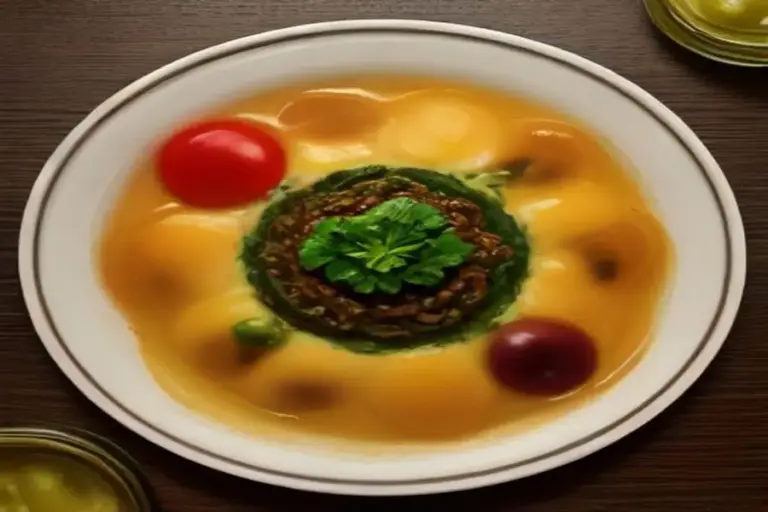
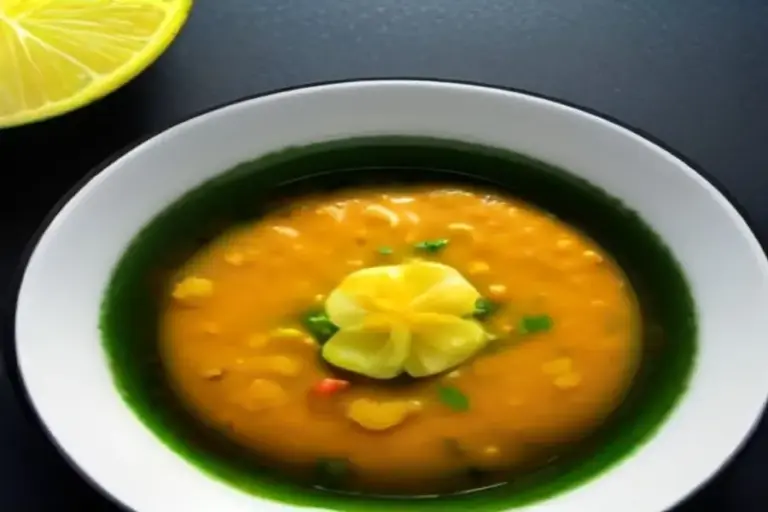
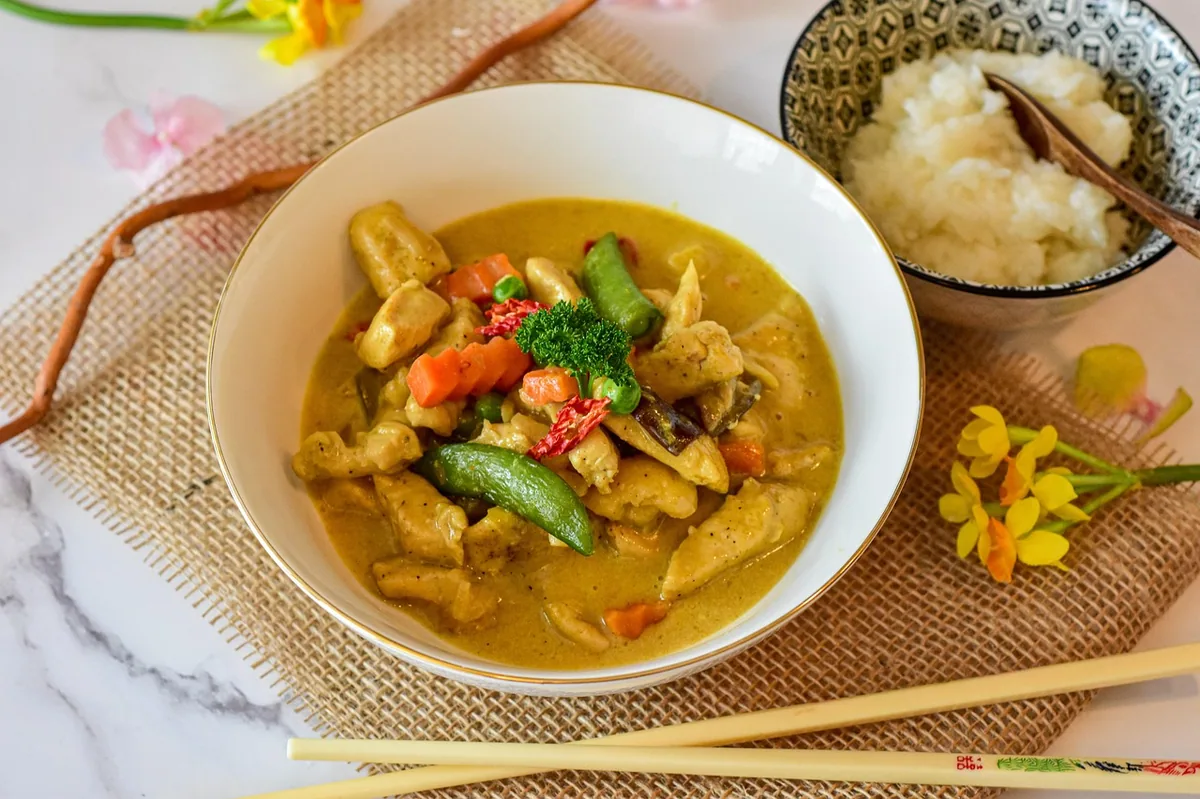
“Aromatic curry of cooked chickpeas immersed in a velvety coconut milk sauce with fresh tomatoes, grated ginger, yellow curry, and sautéed onion and garlic, ideal for substantial and balanced meals.”
What you need to know
- The sauté of ginger with garlic and onion releases aromatic oils that form the backbone of the dish's flavor.
- The quick toasting of the curry powder along with the tomatoes releases the fat-soluble aromas before adding the liquids.
- Slow cooking with coconut milk thickens the sauce naturally without the need for external starches.
Ingredients
Main
- 2 cups of cooked chickpeas
- 1 chopped onion
- 2 cloves garlic, minced
- 1 tablespoon of grated ginger
- 2 tomates picados
- 400 ml of coconut milk
- 2 tablespoons of curry powder
- 1 tablespoon olive oil
- Salt to taste
- Pepper to taste
Instructions
Principal
- In a saucepan, heat the olive oil over medium heat and add the onion and garlic, sautéing until golden.
- Add the ginger and chopped tomatoes, cooking for about 5 minutes until the tomatoes are soft.
- Incorporate the curry powder, mixing well so the spices combine.
- Add the cooked chickpeas and mix everything so the chickpeas absorb the flavors of the seasonings.
- Add the coconut milk, stirring until boiling.
- Reduce the heat and let it cook for another 15 minutes, stirring occasionally.
- Adjust the salt and pepper to taste.
- Serve hot, accompanied by rice or naan bread.
Chef's tips
- Add the curry before the liquids and mix for thirty seconds to fully release its oriental aromas.
- Use ripe tomatoes with the skin on to ensure a thick consistency and natural acidic balance for the final sauce.
- Let it simmer over low heat uncovered in the final minutes if you prefer a full-bodied and enveloping consistency.
Variations
- Add fresh chopped spinach leaves in the last two minutes of boiling to add color and freshness.
- Add small cubes of cooked kabocha squash to gently sweeten the curry and increase the yield.
- Finish with drops of fresh lemon juice and chopped cilantro when serving to bring a citrusy contrast.
Substitutions
- Traditional coconut milk can be replaced by light coconut milk or homemade cashew nut cream.
- Olive oil can be swapped for flavorless coconut oil or clarified butter like Indian ghee.
- The cooked chickpeas can be replaced by white beans, firm cooked lentils, or soft cubes of tofu.
How to store
Store in a glass container with an airtight lid under refrigeration for up to four days. The sauce gains more flavor and density the next day; when reheating over low heat, add two tablespoons of water if necessary.
Can it be frozen?
It can be frozen in individual portions in proper containers for up to sixty days. When thawing, the coconut milk may separate gently; reheat directly in the pan stirring vigorously with a spoon to homogenize.
What to serve with
Serve accompanied by loose basmati or long-grain rice, naan bread toasted in the skillet, slices of flatbread, homemade mango chutney, or cucumber salad with yogurt to create a refreshing thermal contrast.
Frequently asked questions
How to prevent coconut milk from curdling in the pan?
Keep the flame at a medium to low level and avoid prolonged turbulent boiling after adding the coconut milk to the sauté.
How to reduce the acidity of fresh tomatoes?
Cook the tomatoes until they completely break down before the coconut milk, or add a discreet pinch of sugar.
Is the dish excessively spicy?
The heat depends on the spice blend of the curry powder used; adjust the dose or select a mild version.
Can I use canned chickpeas?
Yes, drain all the brine and wash the grains under running water before adding them to the pot with the seasonings.