- Prep
- 15 min
- Cook
- 20 min
- Total time
- 35 min
- Yield
- 4 servings
- Difficulty
- Easy
- Calories
- 270 kcal
Quick summary
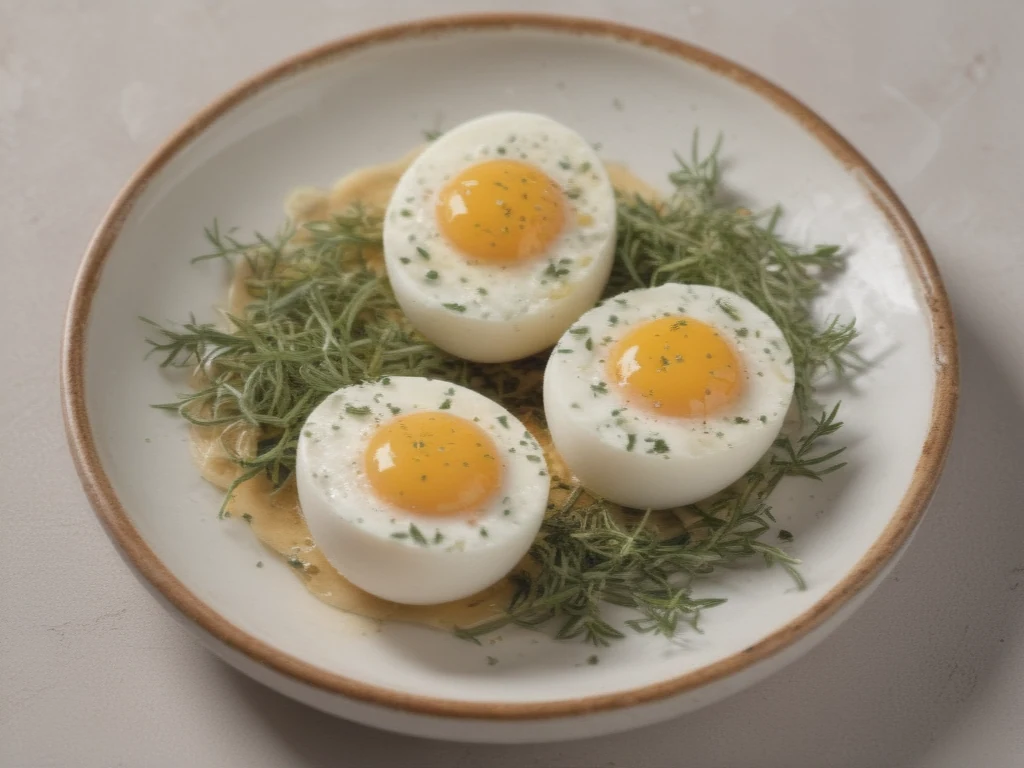
“These eggs cocotte baked in a bain-marie bring a velvety base of fresh heavy cream with Gruyère cheese and grated Parmesan flavored with fresh herbs. Gentle cooking keeps the whites firm and the yolks incredibly fluid for dipping slices of toasted bread.”
What you need to know
- The hot water bath in the tray moderates heat conduction, allowing the egg white to cook without hardening the yolk.
- The combination of melting Gruyère cheese with the salinity of Parmesan thickens the heavy cream at the bottom of the ramekin.
- The preservation of the integrity of the raw egg yolk over the creamy layer is the central point for the final fluid texture.
Ingredients
Main
- units Large eggs
- cup (120ml) Fresh cream (or crème fraîche)
- cup Grated Parmesan cheese
- cup Grated Gruyère cheese (or mozzarella)
- teaspoon Unsalted butter
- tablespoon Fresh chopped parsley
- tablespoon Cebolinha fresca picada
- Salt
- Freshly ground black pepper
Instructions
Principal
- In a small bowl, mix the heavy cream with half of the parmesan cheese, half of the Gruyère cheese, the parsley, and the chopped green onions. Season lightly with freshly ground salt and black pepper, as the cheeses are already salty. Reserve this creamy mixture.
- Divide the cream and cheese mixture between the greased ramekins, forming a uniform base in each. This creamy layer will be fundamental for the flavor and velvety texture of your nest, protecting the egg and adding extra moisture to the cooking.
- Carefully break an egg into each ramekin, over the cream mixture. Be careful not to break the yolk, as it is the heart of the dish and its integrity ensures the final creaminess. The professional technique is to crack the egg into a separate bowl first.
- Sprinkle the remaining cheeses over the eggs. Place the ramekins in a baking tray and add hot water to the tray up to half the height of the ramekins. This water bath is essential for gentle and even cooking of the eggs, preventing them from drying out.
- Bake for 15 to 20 minutes, or until the egg white is firm and the yolk is still soft and slightly runny in the center. The time may vary according to your oven and the desired doneness of the yolk. Remove from the oven carefully and let rest for a minute before serving.
- Serve immediately, accompanied by toast or rustic bread. A final touch of freshly chopped fresh herbs can further enhance the aroma and flavor. Enjoy the velvety texture and richness of every bite, a true experience for the palate.
Chef's tips
- Grease the ramekins generously with room-temperature butter covering the bottom and sides to facilitate cleaning.
- Crack each egg beforehand into a small cup before pouring into the ramekin to avoid broken yolks or pieces of shell.
- Remove from the oven as soon as the egg whites are opaque and firm at the edges, remembering that the yolk continues to cook in the residual heat.
Variations
- Line the bottom of the ramekin with crispy fried bacon cubes or mushrooms sautéed in olive oil before the cream.
- Add a few drops of white truffle-infused olive oil over the eggs the instant you take them out of the hot oven.
- Place thin strips of smoked salmon over the cream cheese before cracking the egg for an elegant brunch.
Substitutions
- Gruyère cheese can be replaced with grated Emmental cheese, creamy Gouda cheese, or semi-cured Canastra cheese.
- Fresh heavy cream can be replaced by pasteurized milk cream or shelf-stable heavy cream.
- The parsley and chives can be substituted with fresh thyme leaves, French tarragon, or chopped chives.
How to store
Consume immediately after coming out of the oven. It is not recommended to store eggs with soft yolks in the refrigerator for later consumption.
Can it be frozen?
Do not freeze this preparation under any circumstances. The baked egg and dairy products undergo phase separation and a rubbery texture.
What to serve with
Serve with long strips of natural fermentation bread toasted in butter (moules), green salad with vinaigrette, and brewed coffee.
Frequently asked questions
How to know if the egg yolk is still soft in the oven?
Give a light tap on the side of the ramekin with a thermal glove: the egg white should be firm and whitish and the yolk should tremble in the center.
Why is cooking in a bain-marie mandatory in this recipe?
The water cushions the direct heat of the oven, preventing the edges of the egg white from drying out or bubbling before the yolk is cooked.
What is the most suitable ramekin size for the individual portion?
Ceramic ramekins with a capacity of 150 ml to 180 ml perfectly accommodate the cream and a large egg with room to spare.
Can I prepare eggs cocotte in the air fryer?
Yes, bake the ramekins at 160°C for about 10 to 12 minutes, monitoring closely the doneness of the yolks without the need for water.
You might also like