- Prep
- 20 min
- Cook
- 30 min
- Total time
- 50 min
- Yield
- 4 servings
- Difficulty
- EASY
- Calories
- 765 kcal
Quick summary
“Sweet potato bread has a soft and moist crumb thanks to the addition of the tuber puree mixed with wheat flour. It is a practical and cozy homemade recipe to compose breakfasts or nutritious snacks.”
What you need to know
- The cooked sweet potato puree retains water in the dough, ensuring lasting softness for several days.
- The first 1-hour fermentation allows for gluten development and uniform gas expansion.
- The second 30-minute fermentation in the pan ensures a light bread with a thin crust after baking at 180°C.
Ingredients
Main
- 500g of boiled and mashed sweet potato
- 600g of wheat flour
- 10g of salt
- 20g of sugar
- 10g of dry yeast
- 200ml warm water
- 50ml of vegetable oil
Instructions
Principal
- In a bowl, mix the mashed sweet potato, yeast, and warm water until you get a homogeneous mixture.
- Add the sugar and salt and mix well.
- Gradually incorporate the wheat flour, stirring constantly until the dough starts to come off your hands.
- Add the oil and continue kneading until the dough becomes elastic.
- Cover the dough with a cloth and let it rest for 1 hour in a warm place until it doubles in volume.
- After resting, shape the dough into a loaf shape and place in the greased pan.
- Let it rest for another 30 minutes.
- Bake the bread for about 30 minutes or until golden.
- Remove from the oven and let cool on a wire rack before cutting.
Chef's tips
- Make sure the sweet potato is warm or cold before mixing with the yeast so as not to inactivate the microorganisms.
- Knead the dough vigorously for about 10 minutes until it reaches a smooth, silky, and elastic point.
- Wait for the bread to cool completely on a wire rack before slicing to avoid compressing the warm crumb.
Variations
- Brush a beaten egg yolk with a tablespoon of milk on the surface of the dough before the oven for a golden and shiny finish.
- Sprinkle sesame or flax seeds over the shaped dough before baking to add a rustic flavor.
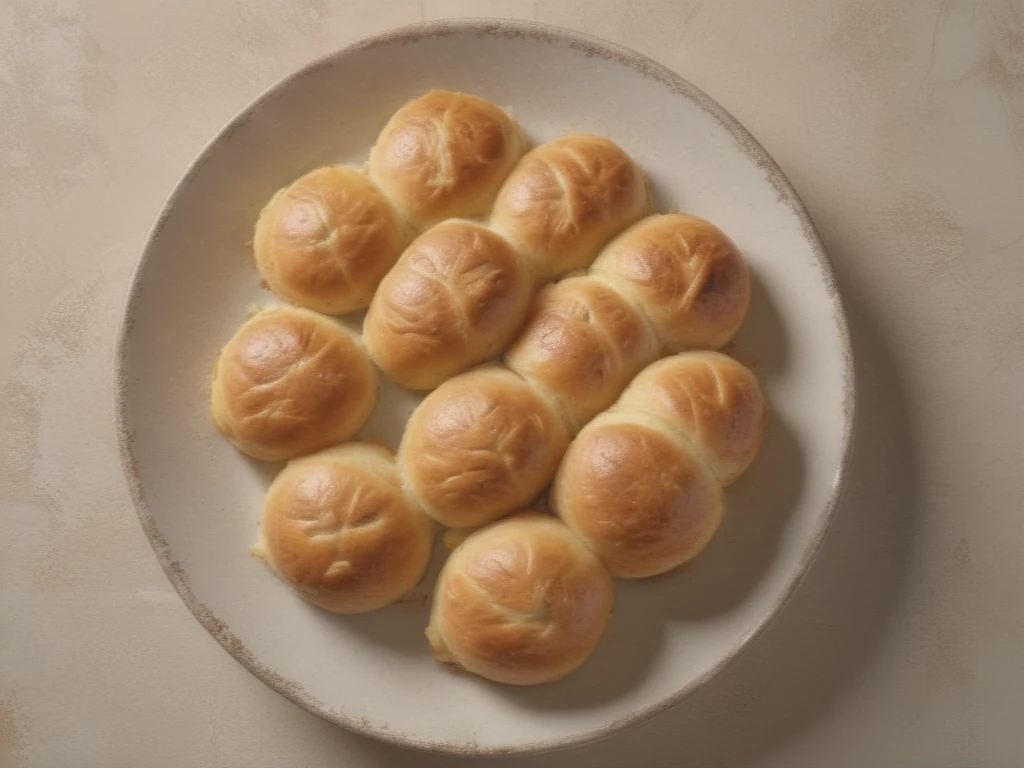
- Shape into small individual 50-gram rolls instead of a single loaf, reducing the oven time to 20 minutes.
Substitutions
- Vegetable oil can be replaced by 50g of softened butter or 50ml of mild olive oil.
- Refined sugar can be swapped for brown sugar or honey in the same amount of 20 grams.
- Warm water can be replaced with warm milk to create an even softer and velvety crumb.
How to store
Keep the bread cooled in a proper food plastic bag or well-sealed container for up to 4 days at room temperature. Avoid storing in the refrigerator, as refrigeration accelerates aging and dries out the center.
Can it be frozen?
The bread freezes excellently for up to 3 months. Slice the completely cold bread, separate the slices into airtight bags, and remove excess air; thaw directly in the toaster or in a skillet heated over low heat.
What to serve with
Serve warm slices with melting salted butter, cured minas cheese, or creamy requeijão. Harmonizes perfectly with a cup of freshly brewed coffee with milk or full-bodied black tea.
Frequently asked questions
Can I use fresh biological yeast in this same recipe?
Yes, use 30g of fresh yeast to replace the 10g of dry active yeast, dissolving it in warm water with sugar.
How to know if the dough has been kneaded enough?
The dough will be ready when it completely detaches from the hands and the counter, presenting a smooth surface and malleable texture.
Why shouldn't I cut the bread as soon as it comes out of the oven?
Cutting bread while very hot releases steam abruptly, leaving the crumb too moist, gummy, and looking like raw dough.
Why does the water need to be just lukewarm and not hot?
Hot water above 45°C kills the yeasts of the dry biological yeast, preventing the dough from fermenting and rising.
You might also like