- Prep
- 20 min
- Cook
- 30 min
- Total time
- 50 min
- Yield
- 4 servings
- Difficulty
- EASY
- Calories
- 360 kcal
Quick summary
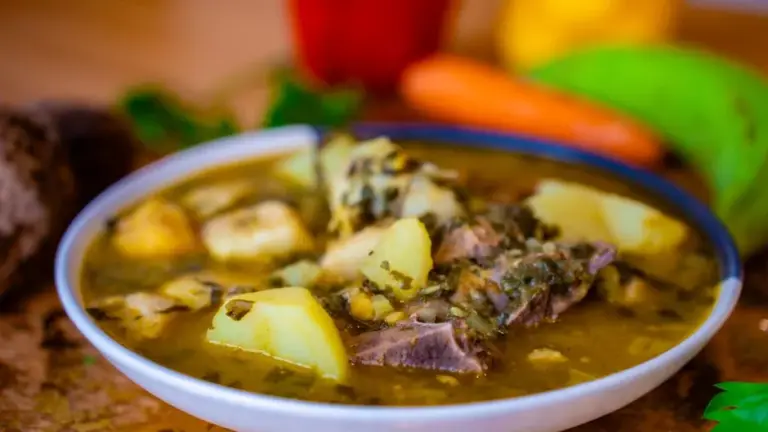
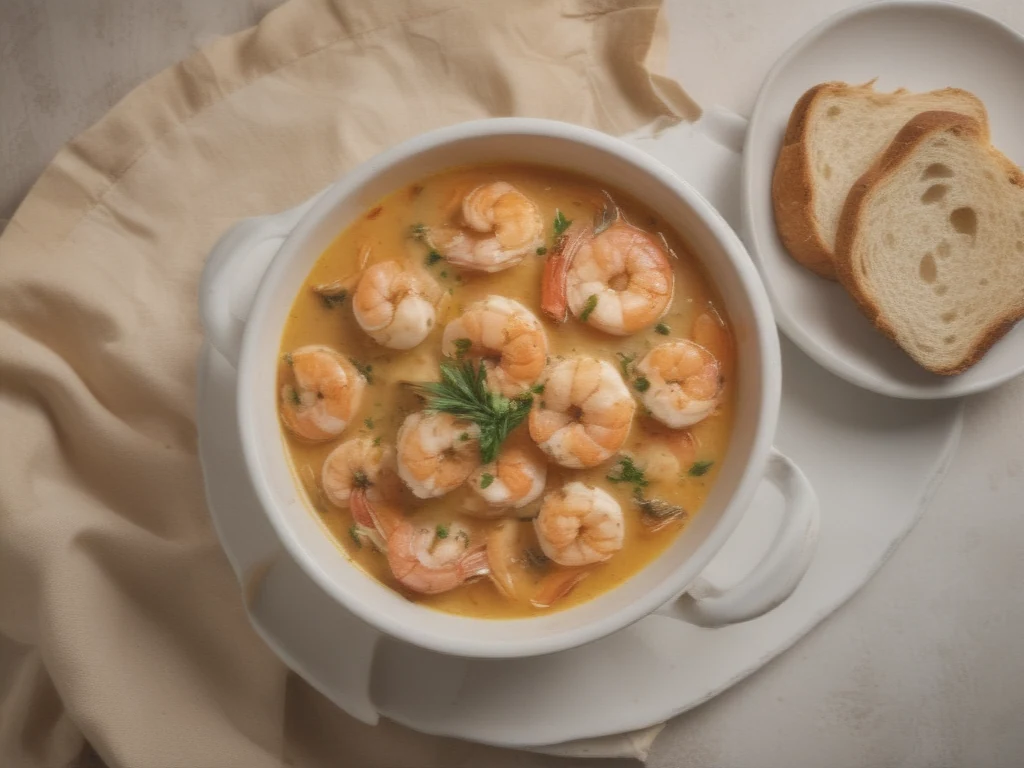
“Rich fish Vatapá with stale French bread, coconut milk, cashew nuts, and dendê oil. A classic of Bahian cuisine with a velvety texture, ideal for serving with rice or as a filling for acarajé.”
What you need to know
- O pão amanhecido batido com leite de coco cria a base espessa e estruturada característica do vatapá
- As castanhas de caju trituradas agregam untuosidade, corpo e crocância sutil ao creme
- O azeite de dendê confere a tonalidade alaranjada vibrante e o aroma marcante da culinária baiana
Ingredients
Main
- 400 g of fish (white fish fillet, such as tilapia or hake)
- 4 stale French rolls (crustless)
- 200 ml of coconut milk
- 1 large onion, chopped
- 2 crushed garlic cloves
- 1/2 cup of crushed cashew nuts
- 2 tablespoons of dendê oil
- 1/2 cup of chopped fresh cilantro
- Salt and pepper to taste
Instructions
Principal
- In a pan, heat the palm oil and sauté the onion and garlic until golden.
- Add the chopped fish and cook for a few minutes until almost cooked through.
- Place the breads in the blender and add the coconut milk, beating until a homogeneous mixture is formed.
- Pour the bread mixture into the pan with the fish and mix well.
- Add the chopped nuts and mix again, adjusting the salt and pepper.
- Cook over low heat for 10 more minutes, stirring constantly so it doesn't stick.
- Finish by adding the chopped cilantro and mixing well.
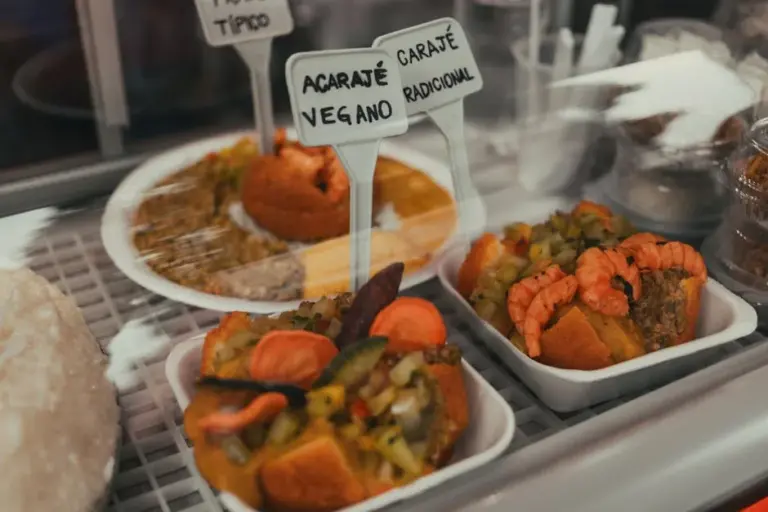
- Serve hot with white rice or as a side for Acaraje.
Chef's tips
- Mexa a mistura continuamente com uma colher de pau ou espátula de silicone para o fundo não queimar nem grudar
- Retire toda a casca do pão francês amanhecido antes de bater para obter uma textura lisa e sem pedaços escuros
- Triture bem as castanhas de caju antes de adicionar à panela para que se integrem de forma uniforme ao creme
Variations
- Adicione camarões secos defumados e dessalgados junto com o peixe para aprofundar o sabor regional
- Inclua um pedaço pequeno de gengibre ralado durante o refogado da cebola e alho para um toque picante refrescante
- Adicione pimenta-de-cheiro picadinha sem sementes para aroma intenso sem elevar a ardência
Substitutions
- A tilápia ou merluza pode ser substituída por filé de pescada branca ou cação
- A castanha de caju pode ser substituída por amendoim torrado sem casca e sem sal ou uma mistura meio a meio
- O pão francês pode ser trocado por farinha de trigo ou farinha de arroz para uma versão alternativa
How to store
Keep the vatapa in an airtight container in the refrigerator for up to 3 days. When reheating, add 2 tablespoons of coconut milk or water, as the cream tends to thicken when cold.
Can it be frozen?
Can be frozen in a closed container for up to 2 months. To reheat after thawing in the refrigerator, place in a pan over low heat stirring constantly to re-emulsify the oils and the base.
What to serve with
Serve with loose white rice, black-eyed peas, or serve inside fresh acarajés. Malagueta pepper sauce and tomato vinaigrette with cilantro go well with the dish.
Frequently asked questions
Why does the bread need to be stale?
Stale bread has a lower moisture content and absorbs coconut milk better, ensuring a creamy consistency without clumping.
What to do if the vatapá thickens too much during cooking?
Just add a little more warm coconut milk or water little by little, stirring until reaching the desired cream point.
How to prevent the palm oil from separating from the cream?
Keep the heat always low and cook stirring constantly to keep the emulsion stable between the bread, the liquids, and the olive oil.
Can I use homemade coconut milk in this recipe?
Yes, fresh homemade concentrated coconut milk works perfectly and offers an even more authentic flavor.