- Prep
- 20 min
- Cook
- 15 min
- Total time
- 35 min
- Yield
- 4 servings
- Difficulty
- Medium
- Calories
- 490 kcal
Quick summary
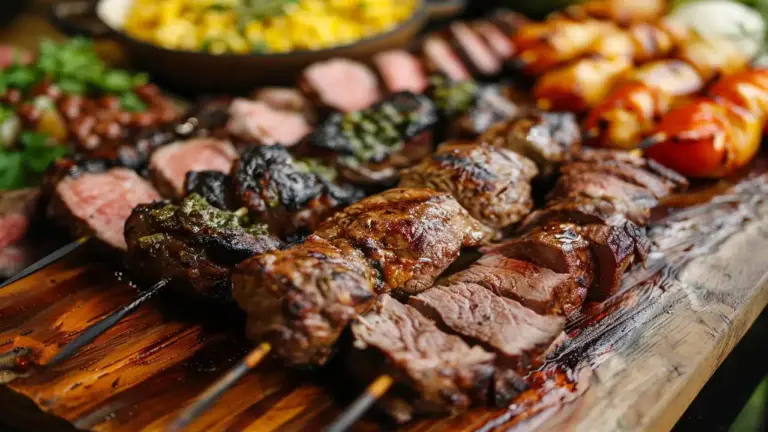
“Inspired by the classic technique of Lobel's butcher and chef Ina Garten, this ribeye steak is seared over scorching high heat, basted in melted butter with rosemary, and rested with precision. Ensures a caramelized crust and juicy interior.”
What you need to know
- Acclimating the meat for 45 minutes out of the refrigerator prevents thermal shock and heat drop on the grill.
- Thoroughly drying the surface with paper towels promotes the Maillard reaction without steaming the meat.
- Resting for 5 to 10 minutes on a loosely covered board redistributes the juices so the fibers don't bleed when cut.
Ingredients
Main
- units Ribeye or New York Strip steaks
- tablespoon Coarse Sea Salt or Fleur de Sel
- teaspoon Freshly ground black pepper
- tablespoon Extra Virgin Olive Oil
- tablespoons Unsalted butter
- ramos Alecrim fresco
Instructions
Principal
- Remove the fillets from the refrigerator 45-60 minutes before grilling. Dry them completely with paper towels. Season generously with coarse sea salt and ground black pepper, allowing the salt to penetrate and the meat to reach room temperature for even cooking and a better crust.
- Heat your grill (charcoal, gas, or cast-iron pan) over high heat for 10-15 minutes until scorching hot. A very hot grill is crucial to create the perfect crust on the steak.
- Brush the fillets with olive oil and place them on the hot grill. Let it sear for 2-3 minutes on each side (for thin meats) or 3-4 minutes (for thicker meats), without moving, to form a golden and crispy crust.
- After the initial searing, reduce the heat to medium-high (or move to a less hot area). Grill, turning every 2-3 minutes, until desired doneness. Use a meat thermometer for precision: Rare (52-55°C), Medium Rare (57-60°C), Well Done (63-66°C).
- In the last few minutes of cooking, add 2 tablespoons of butter and 2 sprigs of rosemary to the grill (or pan) and baste the meat with the melted butter. This step is optional, but adds shine and extra flavor to the fillet.
- Transfer the fillets to a board, cover loosely with aluminum foil, and let rest for 5-10 minutes. This resting period is essential to redistribute the juices, ensuring a juicy and tender fillet.
- Slice the meat against the grain (fibers) to maximize tenderness and serve immediately. An extra pinch of fleur de sel when serving can further enhance the flavor.
Chef's tips
- Use a high-cut ribeye or chorizo steak (at least 3 to 4 cm thick) to avoid overcooking.
- Season with coarse salt or fleur de sel only at the moment of taking to the griddle so as not to dehydrate the raw meat.
- Baste the meat with the foaming butter and rosemary in the last 2 minutes of the skillet to create shine and aroma.
Variations
- Add 2 crushed garlic cloves with the skin to the butter in the pan during the basting process.
- Sprinkle coarsely ground black pepper in very coarse grains to create a steak au poivre-style crust.
- Finish the sliced steaks with a dollop of fresh chimichurri butter or truffle butter.
Substitutions
- Ribeye steak can be replaced by sirloin steak, prime rib, or thick filet mignon.
- Coarse sea salt can be swapped for medium-fine parrilla salt or good quality sea fleur de sel.
- Fresh rosemary can be substituted with fresh thyme sprigs or whole sage leaves.
How to store
Conserve em vasilha hermética na geladeira por até 3 dias. Para reaquecer sem perder a suculência interna, coloque a carne fatiada em frigideira morna com manteiga por 2 minutos em fogo brando.
Can it be frozen?
Freeze the raw fillets vacuum-sealed for up to 90 days. It is not recommended to freeze the already grilled fillet, as reheating dries out the muscle fibers and removes the pink internal doneness.
What to serve with
Pairs perfectly with rustic potatoes fried in olive oil, asparagus sautéed in butter, arugula salad, and Cabernet Sauvignon red wine.
Frequently asked questions
Why does the meat release so much liquid if it's cut right after coming off the heat?
The intense heat pushes the natural juices to the center of the cut; the 8-minute rest allows the muscle fibers to relax and reabsorb the juices evenly.
How to measure the internal temperature to get the meat point right?
Insert a culinary thermometer into the center of the fillet: remove at 52°C for rare, 57°C for medium-rare, and 63°C for medium; the temperature rises about 3°C during resting.
Why is the cast-iron skillet the most suitable for searing steaks?
Cast iron retains dense and constant heat, ensuring that the pan temperature does not drop sharply when the steak comes into contact with the hot surface.
What does 'arrosé' mean in the technique of finishing meat?
Arroser is the French culinary term for tilting the pan and collecting the hot melted butter with a spoon, continuously basting the surface of the meat until golden.
You might also like