- Prep
- 20 min
- Cook
- 30 min
- Total time
- 50 min
- Yield
- 4 servings
- Difficulty
- EASY
- Calories
- 275 kcal
Quick summary
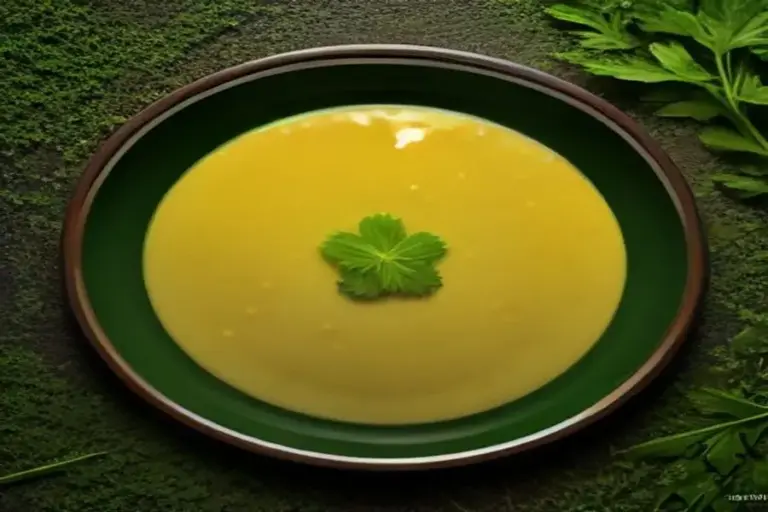
“The parsnip cream is a classic velvety soup that combines the natural sweetness of the tuber with aromatic vegetable broth and heavy cream. It is a comforting and quick meal to prepare for cool nights.”
What you need to know
- Cooking the arracacha in the vegetable broth transfers aromatic notes directly to the fibers of the tuber.
- Passing through the blender transforms the cooked pulp into a homogeneous and silky cream without lumps.
- Finishing with heavy cream off the intense boil provides shine and balances the consistency of the soup.
Ingredients
Main
- 500g of peeled and chopped arracacha
- 1 medium onion, chopped
- 2 crushed garlic cloves
- 1 liter of vegetable broth
- 200ml of heavy cream
- Olive oil to taste
- Salt and black pepper to taste
- Fresh parsley to decorate
Instructions
Principal
- In a large pot, heat a drizzle of olive oil and sauté the onion until transparent.
- Add the garlic and saute for another minute, taking care not to burn.
- Place the chopped arracacha in the pot and stir well.
- Add the vegetable broth and cook until the arracacha is very soft.
- Turn off the heat and let the mixture cool a little.
- Transfer the mixture to the blender and blend until a smooth cream is obtained.
- Return the cream to the pan and add the heavy cream, mixing well.
- Season with salt and black pepper to taste and reheat before serving.
Chef's tips
- Chop the mandioquinha into uniform-sized pieces so they cook evenly without leaving hard parts in the pot.
- Wait for the initial steam to subside before turning on the blender to avoid internal pressure and accidents with the lid.
- Keep the heat very low after adding the heavy cream to prevent the dairy fat from separating from the broth.
Variations
- Sprinkle 50g of freshly grated parmesan cheese over the hot bowl before serving to create a flavorful crust.
- Add a pinch of freshly grated nutmeg along with the heavy cream to enhance the perfume of the arracacha.
- Add homemade bread croutons toasted with olive oil and rosemary to bring crunchy contrast to the dish.
Substitutions
- The traditional 200ml heavy cream can be replaced with fresh whipped cream or creamy requeijão.
- The arracacha (Peruvian parsnip) can be combined with equal parts of potato for a milder flavor.
- Homemade vegetable broth can be replaced with filtered water boiled with bay leaf, celery, and onion stalks.
How to store
Store the cream in an airtight glass container in the fridge for up to 3 days. To reheat, place over low heat stirring with a wooden spoon and adding 50ml of water or milk to restore the original velvety texture.
Can it be frozen?
Can be frozen for up to 60 days in individual containers with room for expansion. Thaw in the refrigerator for 12 hours and heat over low heat; if the cream looks curdled, pass it through the mixer again for 30 seconds.
What to serve with
Serves very well with Italian bread slices toasted with olive oil and garlic, whole wheat toast, or cured minas cheese in cubes. As a drink, it goes well with a glass of light white wine or sparkling mineral water.
Frequently asked questions
Does boxed heavy cream curdle when heated?
Not if heated over low heat without boiling vigorously; add to the already warm cream and stir until completely incorporated.
What is the difference between arracacha and potato?
They are exactly the same tuber; mandioquinha is the common term in the Southeast and South, while batata-baroa prevails in Rio and other regions.
How do I prevent the batata-baroa (mandioquinha) cream from becoming watery?
Place the vegetable broth only until it covers the pieces of the root in the pot, adjusting the remaining liquid after blending in the blender.
Can I use arracacha with the skin on in the preparation?
The peel alters the vibrant yellow color and leaves texture residues; scrape or peel the root well before cooking.
You might also like