- Prep
- 20 min
- Cook
- 30 min
- Total time
- 50 min
- Yield
- 4 servings
- Difficulty
- EASY
- Calories
- 360 kcal
Quick summary
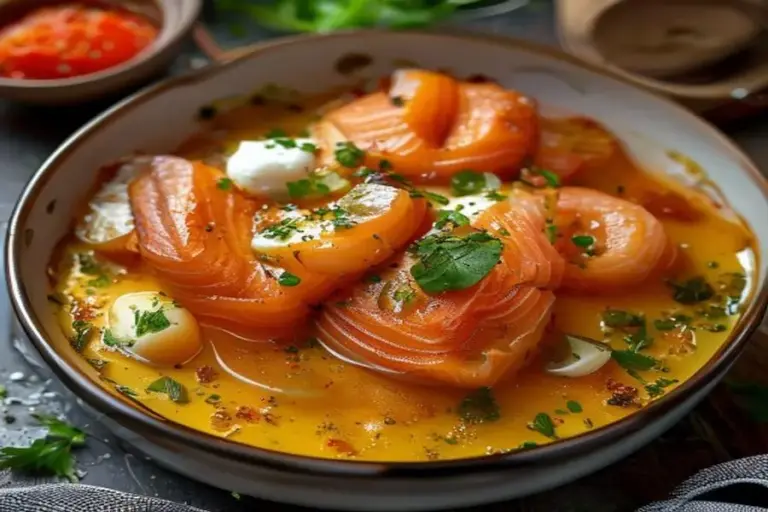
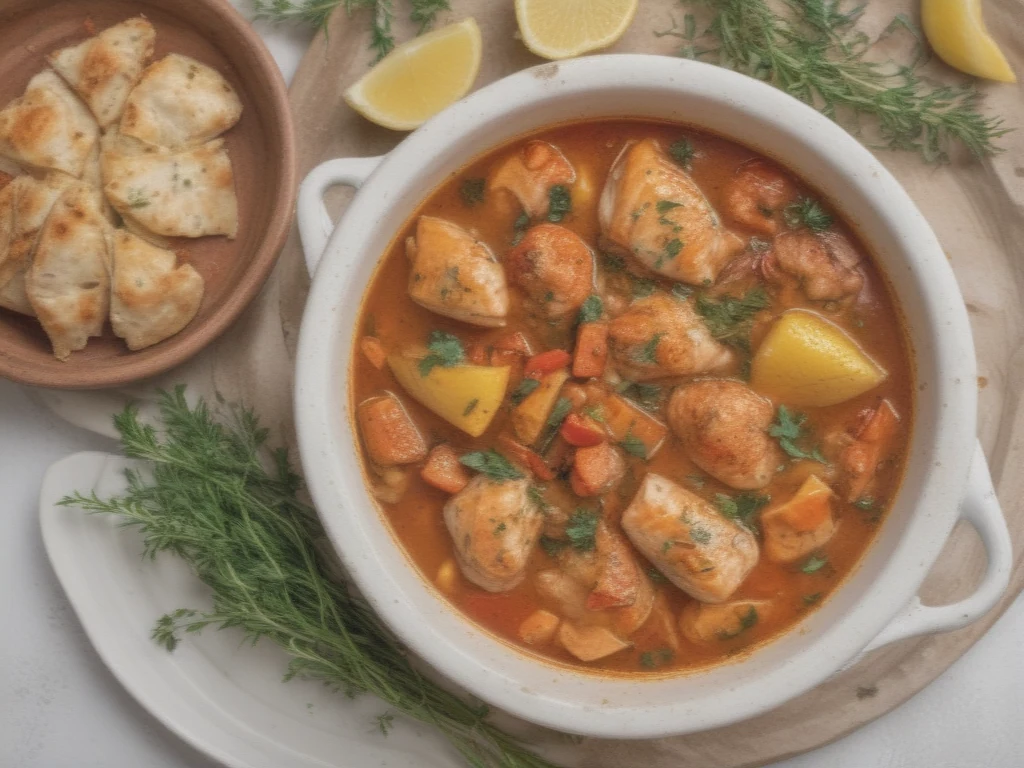
“Inspired by the unique flavors of the Amazon and Maranhão, this moqueca harmonizes sea bass or dorado fillets with exotic bacuri milk, palm oil, and vegetables sautéed with fresh cilantro. It is worth making to experience the fascinating contrast between the fruity acidity of bacuri and the unctuous richness of the fish.”
What you need to know
- O leite de bacuri traz uma acidez frutada aromática única que substitui parte do limão e corta a gordura do peixe
- Os tomates e pimentões refogados no dendê criam uma base úmida e avermelhada que protege os filés de queimar
- A cocção em fogo brando com a panela tampada por 30 minutos assegura que a polpa de bacuri penetre na carne branca
Ingredients
Main
- 1 kg of fish fillet (preferably sea bass or dorado)
- 1 cup of bacuri milk
- 2 large tomatoes, chopped
- 1 medium onion, chopped
- 1 red bell pepper, chopped
- 2 cloves garlic, minced
- 1 tablespoon of palm oil
- Salt and black pepper to taste
- Cilantro to taste
- Juice of 1 lemon
Instructions
Principal
- In a bowl, season the fish fillets with salt, black pepper, and lemon juice. Let marinate for 15 minutes.
- In a pan, heat the palm oil and sauté the onion and garlic until golden.
- Add the bell pepper and tomato, stirring well for about 5 minutes until the tomatoes start to break down.
- Place the fish in the pan, covering with the sautéed vegetables.
- Add the bacuri milk, and adjust the salt, if necessary.
- Cook over low heat for approximately 30 minutes, with the pan covered.
- In the last 5 minutes of cooking, add the chopped cilantro.
- Serve hot, accompanied by white rice and farofa.
Chef's tips
- Utilize polpa de bacuri pura diluída em água mineral ou leite de coco para formar o leite de bacuri aromático
- Disponha os filés de peixe sobre a camada de refogado e cubra com o restante dos legumes para cocção homogênea
- Acrescente o coentro fresco picado apenas nos últimos 5 minutos de fervura para não volatizar seus óleos essenciais
Variations
- Adicione rodelas finas de pimenta-de-cheiro verde típica do Norte ao refogado para perfumar a moqueca sem picância excessiva
- Acrescente camarões secos dessalgados à base de vegetais para introduzir notas salinas amazônicas ao prato
- Sirva a moqueca acompanhada de farinha d'água de Bragança torrada e crocante na manteiga
Substitutions
- O robalo ou dourado pode ser substituído por filhote amazônico, pirarucu fresco em postas ou pescada-amarela
- O leite de bacuri pode ser substituído por leite de cupuaçu ralo ou leite de taperebá caso não encontre bacuri fresco
- O azeite de dendê pode ser substituído por azeite de oliva extravirgem com uma pitada de urucum para cor
How to store
Keep the fish moqueca in the refrigerator in an airtight container for up to 2 days. Reheat over very low heat with the pot covered for 8 minutes so as not to boil vigorously and break the meat.
Can it be frozen?
Do not freeze this ready-made dish, as the hake softens excessively and the acidic fruit milk tends to destabilize after defrosting. Keep exclusively under common refrigeration.
What to serve with
Harmonizes with fluffy white rice, pirão made with bacuri broth, and toasted cassava flour. To drink, chilled cupuaçu juice, craft beer with citrus notes, or fresh white wine.
Frequently asked questions
What is bacuri milk and how is it obtained?
It is the creamy emulsion made from the fleshy white pulp of the bacuri, a typical Amazonian and Maranhense fruit known for its fragrant aroma and noble acidity.
Does the citrus flavor of the bacuri curdle the fish in the pan?
No, the acidity of the bacuri softens the sea bass fibers and balances the dendê oil without curdling the broth during cooking over low heat.
Where to find bacuri outside the North and Northeast region?
Frozen bacuri pulp is sold in Amazonian product emporiums and central markets; just thaw and mix in water or milk.
Which fish best adapts to bacuri milk?
Firm white-fleshed fish like sea bass, mahi-mahi, cobia, or yellowtail snapper are the best to withstand cooking without falling apart.
You might also like