- Prep
- 20 min
- Cook
- 30 min
- Total time
- 50 min
- Yield
- 4 servings
- Difficulty
- EASY
- Calories
- 100 kcal
Quick summary
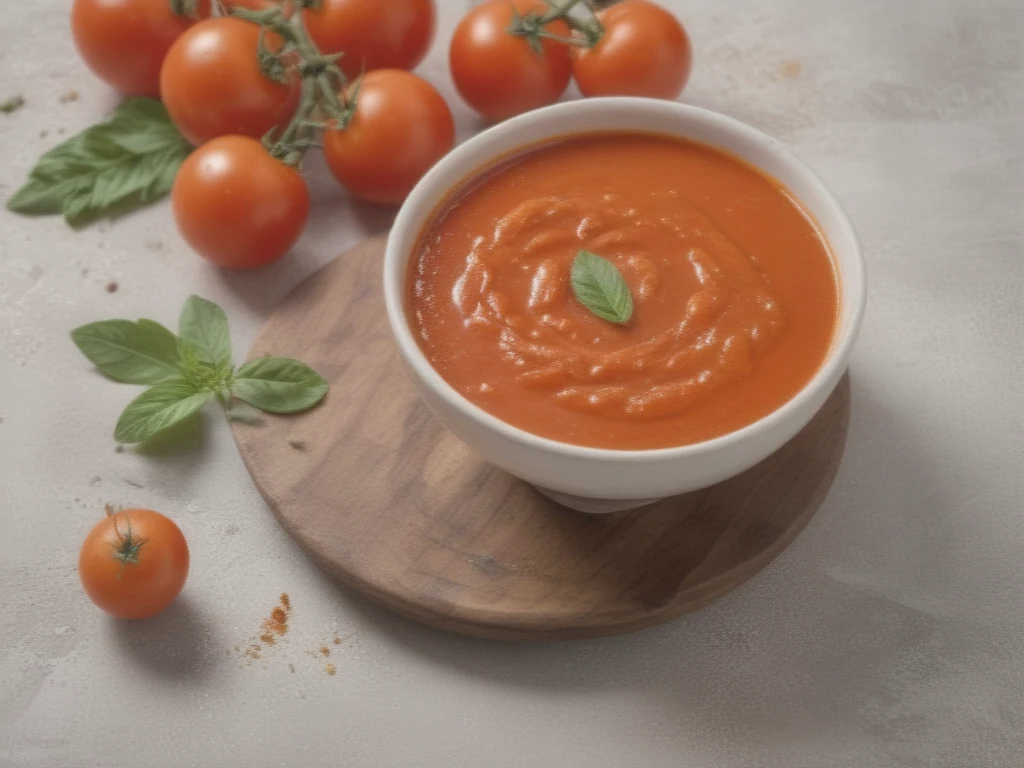
“The homemade tomato sauce uses scalded and peeled ripe tomatoes, cooked slowly with olive oil, onion, and garlic. Finished with fresh basil leaves, the sauce presents balanced acidity and rustic pieces to cover pasta or meats.”
What you need to know
- Scalding the tomatoes in boiling water for 1 minute loosens the outer skin easily through thermal shock.
- The gentle cooking of 25 minutes reduces the water in the tomatoes, concentrating the sugars and natural glutamic acid.
- The fresh basil added at the end preserves the aromatic oils without burning in the hot pan.
Ingredients
Main
- 500g of ripe tomatoes
- 1 medium onion, chopped
- 2 cloves garlic, minced
- 2 tablespoons olive oil
- 1 teaspoon of sugar
- Salt and pepper to taste
- Fresh basil to taste
Instructions
Principal
- Heat the olive oil in a pan over medium heat.
- Add the onion and garlic, sautéing until soft.
- Meanwhile, blanch the tomatoes in hot water for 1 minute and remove the skin.
- Facing the peeled tomatoes, cut them into cubes.
- Add the tomatoes to the pot and mix well.
- Add the sugar, salt, and pepper to taste.
- Cook over low heat for about 20 to 25 minutes, stirring occasionally.
- Finish by adding fresh basil and adjust seasoning, if necessary.
Chef's tips
- Score a cross on the bottom of each tomato before blanching to peel skin quickly without wasting pulp.
- Use very red and ripe tomatoes, preferably Roma or Debora, which have meaty pulp and little water.
- If the sauce has pronounced acidity, cook with half a whole carrot in the pan instead of adding more sugar.
Variations
- Add 1 pinch of dried red pepper flakes to the garlic sauté to give a spicy touch in the arrabbiata style.
- Incorporate 50 grams of chopped black olives and desalted capers to transform it into a classic puttanesca sauce.
- Blend the ready-made sauce in a blender or immersion blender if you prefer a perfectly smooth and velvety texture.
Substitutions
- The extra virgin olive oil can be substituted for corn oil or unsalted butter to brown the seasonings.
- Fresh basil can be replaced by chopped fresh oregano or 1 teaspoon of dried oregano.
- Crystal sugar can be replaced by 1 tablespoon of finely grated carrot.
How to store
Store the tomato sauce in a sterilized airtight glass jar in the refrigerator for up to 5 days. For better preservation, cover the surface of the sauce with a drizzle of olive oil before covering.
Can it be frozen?
Homemade tomato sauce freezes perfectly in BPA-free plastic containers or glass jars for up to 3 months. To thaw, move to the refrigerator the day before or heat directly in the pan over low heat.
What to serve with
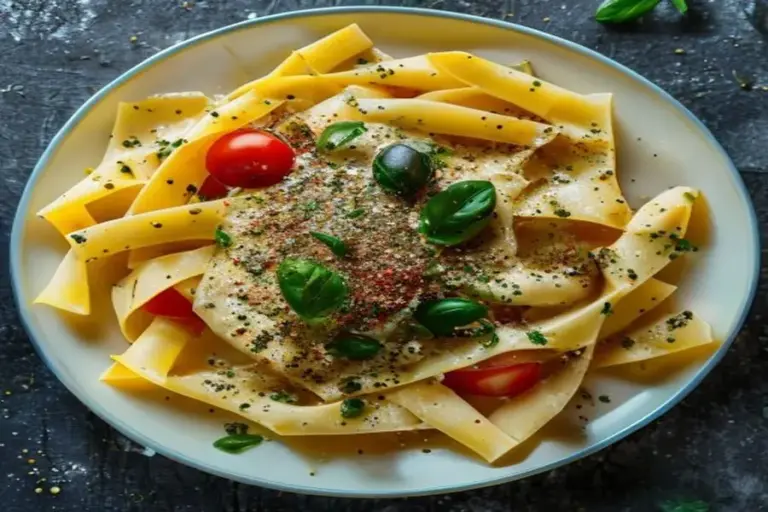
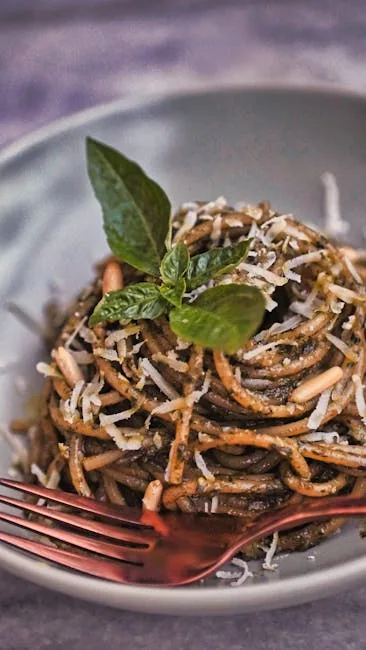
Ideal for serving over dry or fresh pasta such as spaghetti, penne, and tagliatelle cooked al dente. It also works perfectly as a base for homemade pizzas, meatballs, and eggplant parmigiana.
Frequently asked questions
Can I keep the tomato seeds in the sauce?
You can keep the seeds for a rustic preparation, but removing them leaves the sauce with a more refined flavor and lower acid load in the pot.
Why put sugar in tomato sauce?
The teaspoon of sugar acts by chemically neutralizing the perception of acidity of less ripe tomatoes without sweetening the preparation.
Is it possible to use canned peeled tomatoes instead of fresh tomatoes?
Yes, you can replace the 500g of fresh tomatoes with 1 can of whole peeled tomatoes, chopping coarsely before sautéing.
Why is the basil added only at the end of cooking?
Continuous heat degrades the volatile compounds of the basil and darkens the leaves; adding it at the end keeps the herbal aroma intact.