- Prep
- 20 min
- Cook
- 15 min
- Total time
- 35 min
- Yield
- 4 servings
- Difficulty
- Easy
- Calories
- 340 kcal
Quick summary
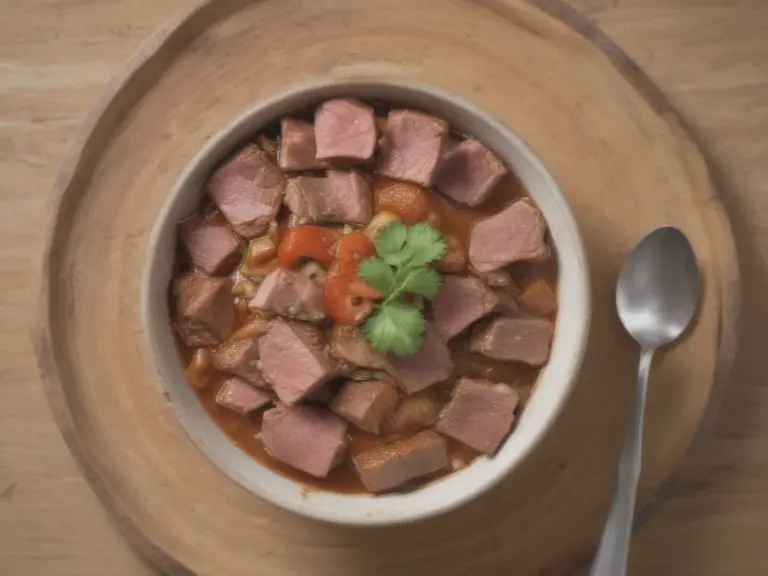
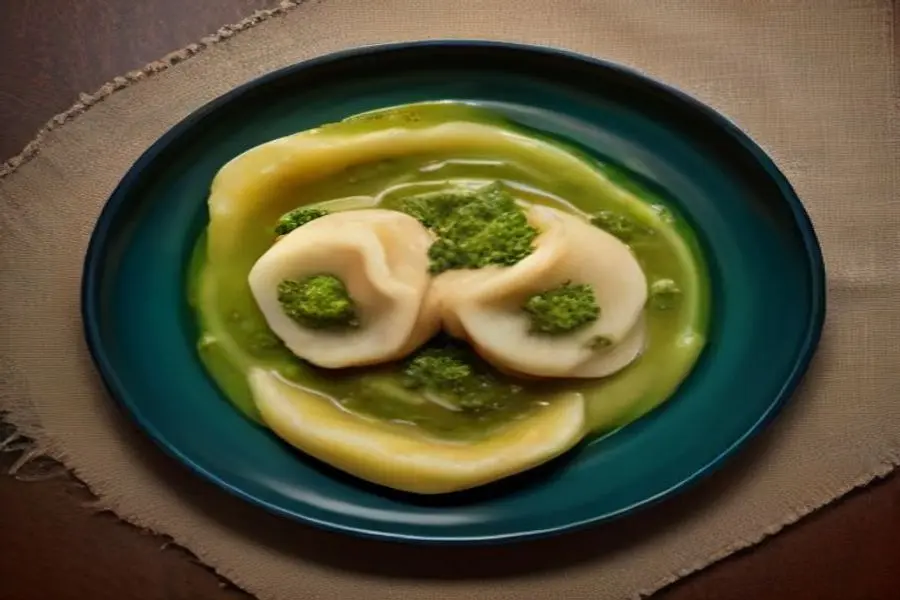
“Delicate thin dough pouches filled with drained fresh ricotta, aromatic Genoese pesto, and Parmesan cheese. Served in deep plates immersed in homemade fresh tomato broth cooked with garlic, onion, and fresh basil.”
What you need to know
- The use of ready-made gyoza wrappers allows you to assemble the dumplings in minutes with uniform thickness and silky texture.
- Draining the ricotta prevents the filling from releasing water and breaking the dough seal during boiling in salted water.
- The rustic tomato broth provides a clean vegetable acidity that coats the dumplings without weighing them down.
Ingredients
Main
- g Fresh ricotta
- tablespoons Genoese pesto (homemade or good quality)
- tablespoons Finely grated parmesan cheese
- pinch Freshly grated nutmeg
- taste Salt and black pepper
- units Gyoza dough (potsticker wrappers)
- necessary Water
- tablespoons Extra virgin olive oil
- cloves Finely chopped garlic
- unit Small onion chopped in brunoise
- g Canned peeled tomatoes or good quality tomato passata
- ml Good quality vegetable broth (homemade or low sodium)
- ml Water
- teaspoon Sugar (to balance the acidity of the tomato)
- taste Fresh basil leaves
Instructions
Principal
- Prepare the Dumpling Filling: In a medium bowl, mix the fresh ricotta, Genovese pesto, grated Parmesan cheese, and nutmeg. Season with salt and black pepper to taste. Mix well until you get a homogeneous paste. Set aside so the flavors incorporate while preparing the broth.
- Start the Tomato Broth: In a medium pot, heat the olive oil over medium heat. Add the minced garlic and onion and sauté for 2-3 minutes, until translucent and aromatic. The professional technique is not to brown the garlic, so it does not become bitter.
- Develop the Broth Flavor: Add the whole peeled tomato (crushing it with a spoon) or the tomato passata, the vegetable broth, the water, and the sugar. Season with salt and pepper to taste. Let it boil, then reduce the heat to the minimum, cooking for 5-7 minutes so that the flavors mix and the broth stays warm.
- Assemble the Dumplings: Arrange the gyoza wrappers on a clean surface. Place about a teaspoon of the ricotta and pesto filling in the center of each dough. Lightly moisten the edges of the dough with water and fold it in half, forming a half-moon. Press the edges firmly to seal well, preventing the filling from escaping.
- Cook the Dumplings: While the broth is on low heat, bring a large pot of water and a pinch of salt to a boil. Add the dumplings in batches, without overcrowding the pan. Cook for 2-3 minutes, or until they float to the surface and the dough is soft. Remove them with a slotted spoon.
- Finish and Serve: Arrange the cooked dumplings in deep plates. Pour the hot tomato broth generously over the top. Garnish with fresh basil leaves and, if desired, a drizzle of olive oil and more parmesan cheese. Serve immediately to enjoy the fresh texture and vibrant flavor.
Chef's tips
- Moisten only the outer edge of the dough with a finger wet with water to seal the half-moon firmly.
- Cook the dumplings in gentle boiling water; turbulent boiling can break the thin dough and leak the cheese filling.
- Remove the small pastries from the water with a skimmer as soon as they rise to the surface and place directly on the plates.
Variations
- Fried version at the base: brown the base of the dumplings in a skillet with olive oil before adding them to the dish with the broth.
- Version with spinach: incorporate half a cup of cooked, squeezed, and finely chopped spinach into the ricotta filling.
- Spicy version: add a teaspoon of crushed red pepper flakes to the sauté of the fresh tomato broth.
Substitutions
- Ready-made gyoza wrappers can be replaced by fresh pastry dough cut into circles or wonton wrappers.
- Fresh ricotta can be replaced with well-beaten and drained cottage cheese or soft boursin-style goat cheese.
- Tomato passata can be substituted with chopped ripe peeled tomatoes cooked with an extra drizzle of olive oil.
How to store
Keep the cooked dumplings and the tomato broth in separate airtight containers in the refrigerator for up to 3 days. To reheat, heat the broth in the pot until boiling and dip the dumplings for 1 minute to recover the heat.
Can it be frozen?
Freshly assembled raw dumplings freeze perfectly arranged on a baking sheet for 2 hours and then stored in bags for up to 2 months. Cook directly frozen in boiling water adding 1 minute to the time.
What to serve with
Serve with slices of ciabatta bread to soak in the tomato broth, green salad with Parmesan shavings, or a glass of red wine.
Frequently asked questions
Can I cook the dumplings directly inside the tomato broth?
It is preferable to cook in pure salted water to remove the loose starch from the pasta and keep the tomato sauce clean and bright.
How to know if the ricotta dumplings are fully cooked?
The dumplings rise and float in the boiling water; when the dough becomes translucent at 3 or 4 minutes, they are ready.
How do I keep the dumplings from sticking to the board while I assemble the rest?
Sprinkle the surface and the baking sheet with a thin layer of cornstarch to absorb moisture from the dough.
Why put a pinch of sugar in the tomato broth?
A small amount of sugar neutralizes the sharp acidity of the canned tomatoes, rounding out the broth profile.
You might also like