- Prep
- 25 min
- Cook
- 35 min
- Total time
- 60 min
- Yield
- 4 servings
- Difficulty
- Medium
- Calories
- 490 kcal
Quick summary
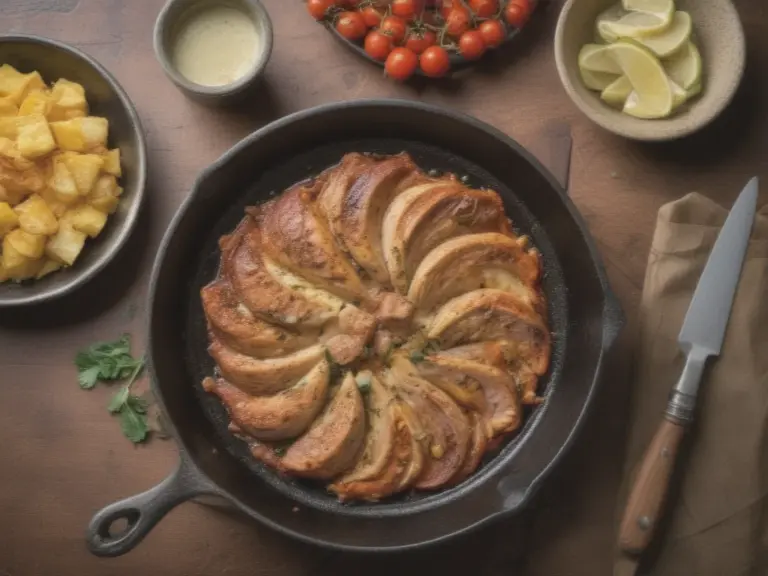
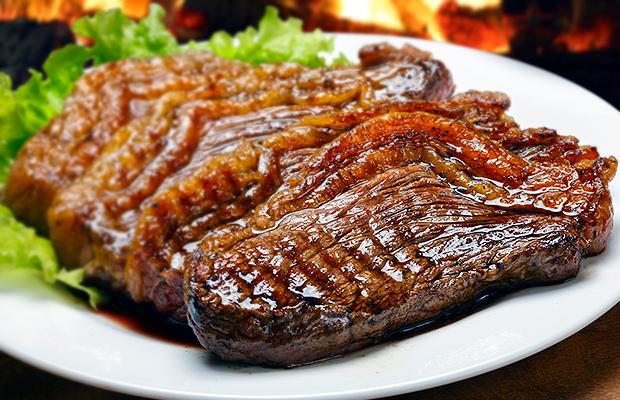
“This exquisite dish harmonizes seared and roasted pork loin with a velvety glaze of dried figs, balsamic vinegar, honey, and Dijon mustard. The finishing with toasted pistachios and fresh mint adds aromatic contrast and refined crunch.”
What you need to know
- The initial searing over high heat in the iron skillet browns the entire surface of the meat, retaining the juices during the oven time.
- Deglazing the bottom of the skillet with balsamic vinegar and figs rescues the caramelized sugars from the pork protein.
- Resting for 5 to 10 minutes after removing from the oven redistributes the internal juices, ensuring juicy and tender slices.
Ingredients
Main
- Pork loin (cleaned)
- tablespoons Extra virgin olive oil
- teaspoon Sea salt
- teaspoon Freshly ground black pepper
- ramos Alecrim fresco
- cloves Alho amassado
- cup Dried figs, chopped (or 4-5 fresh figs)
- cup Good quality balsamic vinegar
- tablespoons Honey (or maple syrup)
- tablespoon Dijon mustard
- cup Good quality beef or chicken broth
- pitada (opcional) Crushed red pepper
- cup Shelled pistachios, toasted and coarsely chopped
- tablespoon Fresh mint leaves, chopped
Instructions
Principal
- Start by cleaning the pork loin, removing any excess fat or membranes. Season generously with sea salt and freshly ground black pepper on all sides of the meat. This initial step is crucial to enhance the natural flavor of the pork.
- Heat the olive oil in a large, heavy skillet (preferably cast iron) over medium-high heat. Add the loin and sear it on all sides, until you get a golden and caramelized crust. This process lasts about 2-3 minutes per side, ensuring succulence.
- Transfer the seared loin to a baking dish. Add the rosemary sprigs and the crushed garlic next to the meat. Bake in a preheated oven at 180°C for approximately 20-30 minutes, or until the internal temperature reaches 63°C. The ideal point ensures a juicy loin.
- While the loin roasts, prepare the glaze. In the same pan used to sear the loin (without washing, to take advantage of the flavor base), add the chopped figs, balsamic vinegar, honey, Dijon mustard, and broth. Cook over medium-low heat, stirring occasionally, until the mixture thickens and reduces to a shiny syrup.
- If your pistachios are not toasted, spread them on a baking sheet and take to the oven for 5-7 minutes at 160°C. Let cool and chop coarsely. Roasting enhances the flavor and crunch, adding an extra layer of texture to the final dish.
- Remove the loin from the oven and transfer it to a cutting board. Cover loosely with aluminum foil and let rest for 10-15 minutes. This time is fundamental for the juices to redistribute throughout the meat, resulting in a softer and tastier loin.
- Slice the pork loin into medallions. Generously drizzle with the fig and balsamic glaze. Finish by sprinkling with the chopped toasted pistachios and fresh mint leaves. Serve immediately with your favorite sides, such as mashed potatoes or grilled asparagus.
Chef's tips
- Toast the pistachios in a low oven for about 6 minutes to brighten the green color and intensify the buttery flavor of the nut.
- Hydrate the chopped dried figs in the hot beef broth before starting the glaze reduction to speed up cooking.
- Use a culinary thermometer to remove the pork loin from the oven at 68°C internal temperature, preventing the pork from drying out.
Variations
- Toque cítrico: add Bahia orange zest and fresh juice of 1/2 orange to the fig balsamic glaze during reduction.
- Hot spices: incorporate a pinch of ground cinnamon and a ground clove to the sauce for an aromatic autumnal profile.
- Version with pork tenderloin: use pork tenderloin medallions reducing the oven time to 12 to 15 minutes in total.
Substitutions
- Dried figs can be replaced with fresh ripe figs cut into quarters or pitted black plums.
- Traditional balsamic vinegar can be swapped for dry red wine mixed with 1 teaspoon of apple cider vinegar.
- Pistachios can be replaced with toasted pecans, chopped cashews, or sliced almonds.
How to store
Store the sliced pork covered with the glaze in a closed container in the fridge for up to 3 days. Reheat over low heat in a skillet with a lid, adding 2 tablespoons of water or broth so the meat does not lose moisture.
Can it be frozen?
The sliced roast pork loin with fig sauce can be frozen for up to 60 days in well-sealed containers. Do not freeze with the pistachios and fresh mint; add these crunchy elements only after reheating.
What to serve with
Pairs perfectly with buttered mashed potatoes, parmesan cheese risotto, or roasted vegetables with rosemary. For beverage service, combine with a medium-bodied red wine like Pinot Noir, Merlot, or whole grape juice.
Frequently asked questions
Can I prepare the fig glaze in advance?
Yes, the balsamic sauce with figs can be prepared up to 2 days before and heated gently when pouring over the roast meat.
Does balsamic vinegar make the dish too acidic?
No, the slow reduction with the natural sugars of the dried figs and honey softens the acidity, accentuating sweet and velvety notes.
How to know the doneness of the loin without a meat thermometer?
Press the center of the piece with your finger; it should be firm with slight elasticity, and the juices that come out of the tip of the knife should be clear and translucent.
How to prevent the pork loin from becoming dry and fibrous when roasting?
Sear the meat very well before going to the oven, respect the time of 20 to 30 minutes at 180°C and let the piece rest for 8 minutes before slicing.
You might also like