- Prep
- 20 min
- Cook
- 30 min
- Total time
- 50 min
- Yield
- 4 servings
- Difficulty
- EASY
- Calories
- 320 kcal
Quick summary
“The filet mignon medallion with Dijon mustard sauce brings perfect harmony between the tenderness of the red meat and the spicy and aromatic touch of the creamy sauce. It is a quick restaurant recipe that is executed with practicality at home.”
What you need to know
- Searing the medallions for 3 minutes on each side over medium-high heat preserves the internal juiciness and retains the liquids.
- The use of Dijon mustard brings balanced acidity and spice complexity without masking the noble flavor of the meat.
- The quick cooking of the heavy cream with the mustard in the same skillet rescues the caramelized sugars from the searing.
Ingredients
Main
- 500g of filet mignon cut into medallions
- 2 tablespoons olive oil
- 1/2 cup of cream
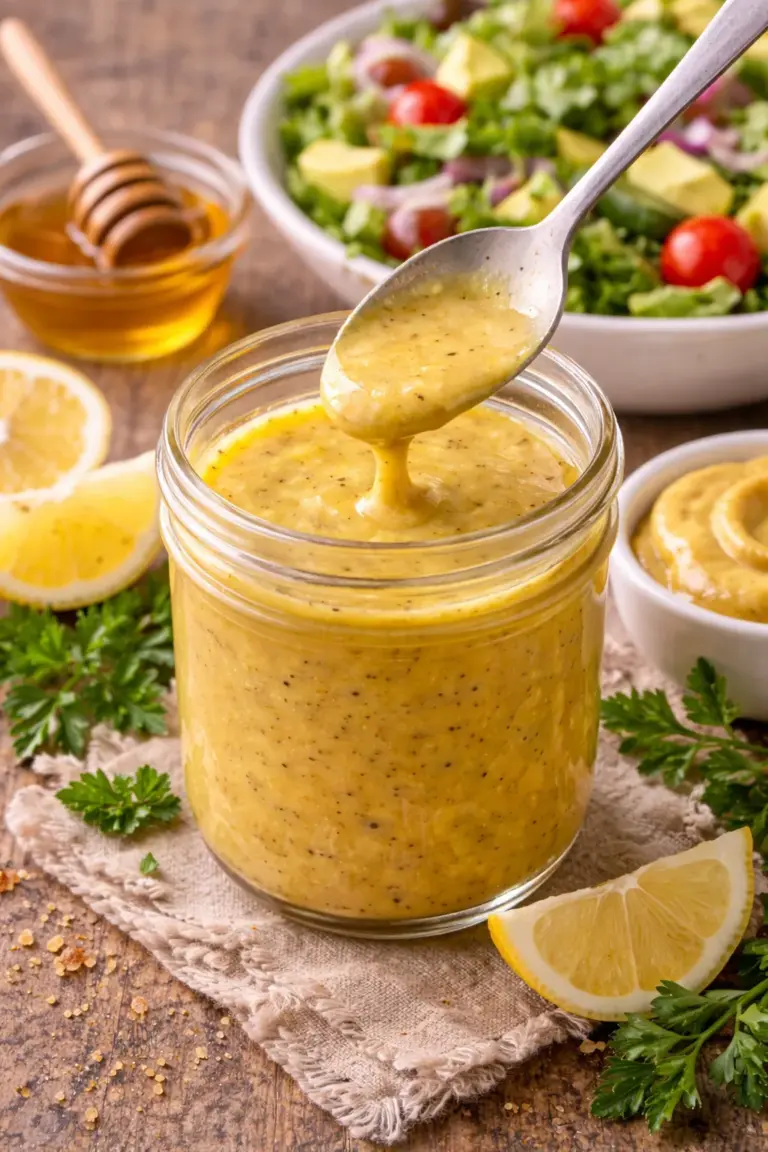
- 3 tablespoons of Dijon mustard
- Salt and black pepper to taste
- 1 tablespoon of chopped parsley for garnish
Instructions
Principal
- Season the filet medallions with salt and black pepper.
- Aqueça o azeite em uma frigideira grande em fogo médio-alto.
- Sear the medallions for about 3 minutes per side, until golden and cooked to your desired doneness.
- Remove the medallions from the skillet and reserve on a plate.
- In the same container, add the heavy cream and mustard, mixing well.
- Cook the sauce for 2-3 minutes, adjusting the seasoning with salt and pepper.
- Return the medallions to the skillet and cook for another 2 minutes so they absorb the sauce.
- Finish with chopped parsley and serve immediately.
Chef's tips
- Tie the medallions with kitchen twine before browning so that they maintain the perfect cylindrical shape in the skillet.
- Use heavy cream at room temperature to avoid thermal shock that could break the stability of the sauce.
- Let the fillets rest on a covered plate for 2 minutes before returning them to the skillet so they do not release excess liquid.
Variations
- Add a teaspoon of pure honey to the mustard mixture to create a sweet and sour honey mustard version.
- Add a tablespoon of cognac or grape brandy to flambé the meat right after the initial searing.
- Incorporate sliced fresh mushrooms sautéed together with the heavy cream to give earthy density to the dish.
Substitutions
- Dijon mustard can be replaced with whole grain mustard or two tablespoons of mild yellow mustard.
- Filet mignon can be replaced by pork loin medallions or chicken breast fillet cut into thick tournedos.
- Traditional heavy cream can be swapped for light ricotta cream or plain whole sugar-free yogurt.
How to store
Immediate consumption after preparation is recommended. Leftovers should be stored in a closed container in the refrigerator for up to 3 days; reheat over low heat with a tablespoon of milk or vegetable broth to revitalize the cream.
Can it be frozen?
It is not recommended to freeze the cooked meat wrapped in the heavy cream sauce, as the texture changes drastically upon thawing. Freeze the raw filet mignon medallions wrapped individually for up to 3 months.
What to serve with
Pairs with potatoes roasted with skin and rosemary, well-fluffed white rice with nuts, or velvety carrot puree. A salad of dark leafy greens with extra virgin olive oil offers a refreshing contrast.
Frequently asked questions
Should the kitchen twine be removed before serving?
Yes, cut and discard the strings the moment the meat returns to the sauce or just before transferring to the plates.
How to ensure the medallions do not dry out inside?
Keep the flame medium-high and respect the 3-minute time per side, avoiding pressing the meat against the bottom of the skillet.
Can I prepare the sauce in a separate saucepan?
It is preferable to do it in the same skillet to absorb the toasted meat residues from the bottom, adding flavor and golden color.
What is the difference between Dijon mustard and common yellow mustard?
Dijon mustard has a base of black seeds and white wine, offering deeper pungency, refined acidity, and a velvety texture.
You might also like